Important Dates: Purnima Shradh in Pitrupaksha
The sacred 16-day period of Pitru Paksha in 2025 commences on Sunday, September 7th, with the observance of Purnima Shraddha. Also known as Proshthapadi Purnima Shraddha, this day is specifically dedicated to honoring ancestors who passed away on a Purnima (full moon) tithi. Are you prepared to perform the Parvan Shraddha for your departed loved ones on this significant day that marks the very beginning of the ancestral fortnight? The Purnima Tithi on September 7, 2025, begins at 01:41 AM and concludes at 11:38 PM, making it prevalent for the day's rituals. To ensure your offerings hold maximum spiritual significance, performing them during auspicious times (muhurats) is crucial. The generally recommended periods include Kutup Muhurat (e.g., 12:00 PM to 12:50 PM), followed by Rohina Muhurat (e.g., 12:50 PM to 01:39 PM), and the broader Aparahna Kaal (e.g., 01:39 PM to 04:09 PM). Keep in mind that these timings can vary slightly based on your geographical location. The culmination of the Shraddha ritual is typically marked by Tarpan, the reverent offering of water. With Pitru Paksha extending until Sarva Pitru Amavasya on September 21, 2025, understanding the nuances of Purnima Shraddha sets the right tone for this period of deep ancestral connection. How will you ensure your observances are both heartfelt and precisely timed?
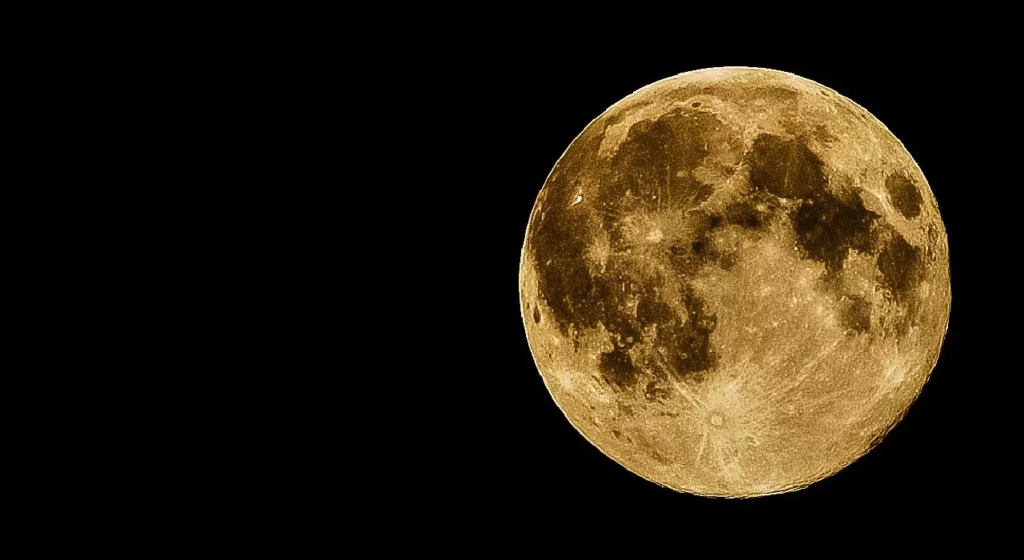
Purnima Shradh marks the beginning of the Pitrupaksha period. In 2025, Purnima Shraddha will be observed on Sunday, September 7, 2025.
Here are the relevant timings for Purnima Shraddha on that day:
-
Purnima Tithi Begins: 01:41 AM on September 07, 2025.
-
Purnima Tithi Ends: 11:38 PM on September 07, 2025.
Some sources indicate slightly different start times for the Purnima Tithi on September 6th (e.g., 10:24 AM), but all agree that the Purnima Shraddha itself falls on September 7th, when the Purnima Tithi is prevalent for the majority of the day.
The auspicious times (muhurat) to perform the Shraddha rituals on September 7, 2025, are generally considered to be:
-
Kutup Muhurat: Timings vary slightly by source, for example, 12:00 PM to 12:50 PM.
-
Rohina Muhurat: Following Kutup Muhurat, for example, 12:50 PM to 01:39 PM.
-
Aparahna Kaal (Post Meridian): A broader period suitable for Shraddha, for example, 01:39 PM to 04:09 PM
Important Considerations:
-
Location Dependent: The exact muhurat timings can vary slightly based on your geographical location due to differences in sunrise and sunset times. It is always best to consult a local panchangam (Hindu almanac) or a knowledgeable priest for the precise timings in your specific area.
-
Parvan Shraddhas: Pitru Paksha Shraddhas are Parvan Shraddhas. The auspicious time to perform them is generally during the Kutup Muhurat, Rohina Muhurat, or until the Aparahna Kaal (afternoon period) ends. Tarpan (water libation) is usually performed at the end of the Shraddha ritual.
-
Who performs Purnima Shraddha?: Purnima Shraddha is for those ancestors who passed away on the Purnima (full moon) tithi. It is also known as Proshthapadi Purnima Shraddha because it falls during the Purnima of the Bhadrapada month.
Pitru Paksha in 2025 will commence on September 7, 2025, with Purnima Shraddha, and will conclude on September 21, 2025, with Sarva Pitru Amavasya.

Considering a rite for your own family?
Tell us what your family needs and a coordinator will contact you personally. No online payment is requested.
Send an enquiry