
Rite and local practice
The rite being discussed and the practice followed at the selected sacred site.
The right conversation begins with the rite, sacred site, preferred language, family participation and date. A coordinator uses that context before discussing a suitable pandit.
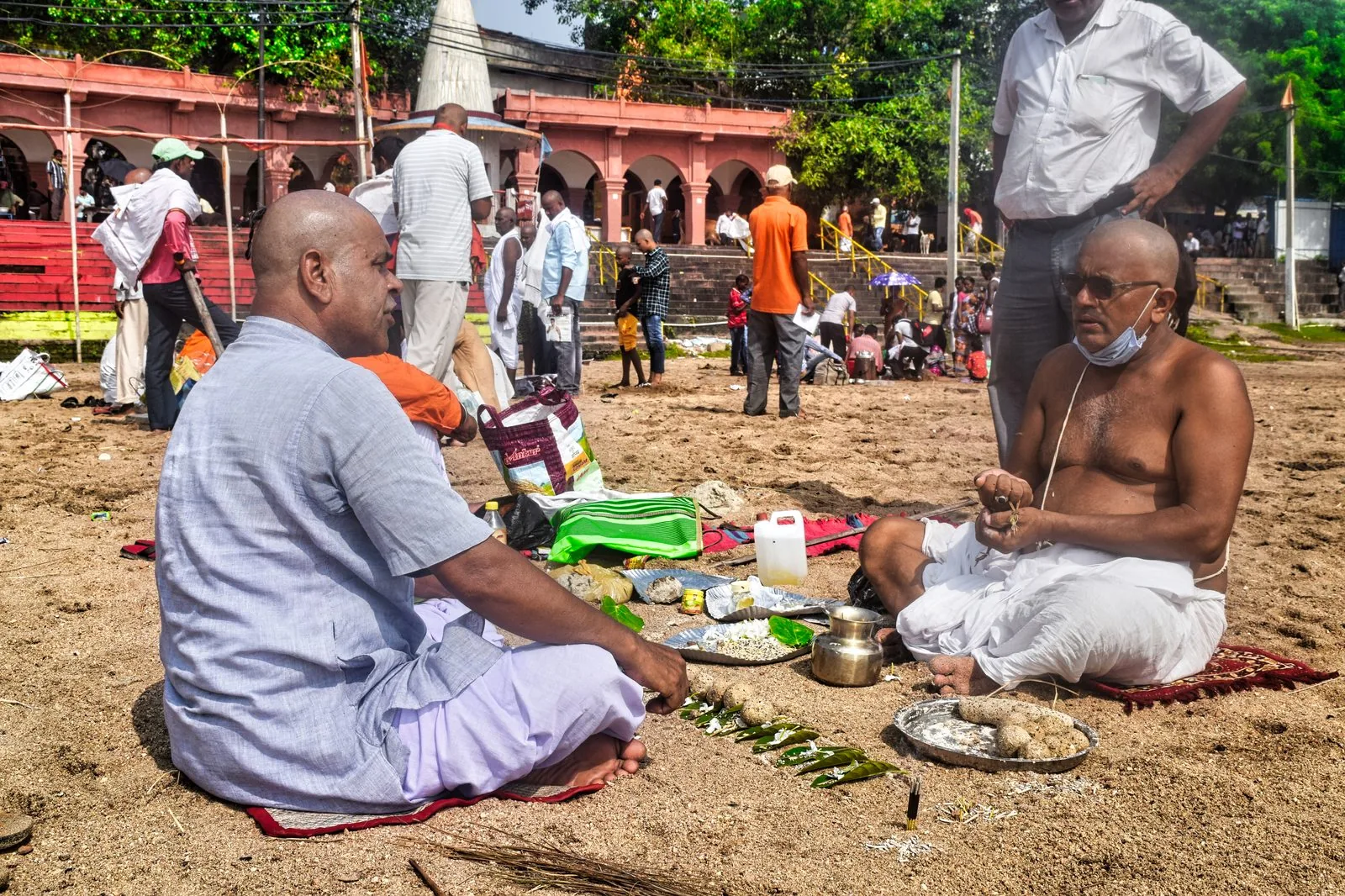
A name or public profile alone cannot show whether someone is suitable and available for a specific family request.
The rite being discussed and the practice followed at the selected sacred site.
The language the family understands for instructions, questions and coordination.
The requested date, local conditions and an actual availability confirmation.
Who will attend, whether remote help is requested and any support needs.
The journey starts with an enquiry so a public profile is never mistaken for live availability.
Rite if known, site, date, language, participants and the questions the family wants answered.
The request is clarified before a pandit is represented as suitable or available.
The family can ask questions and understand the proposed arrangement before deciding.
The network is coordinated across these sites. Exact pandit and local availability remain enquiry-specific.
A public profile grid can look precise while still being out of date. The current website therefore asks for the family context first and does not claim that a pandit, date or slot is reserved.
Share the family requirementNo public availability list is presented. The coordinator first understands the rite, site, language and date, then discusses the next step.
Yes. Include the language your family understands in the enquiry so it can be considered during coordination.
No. It records a request for follow-up and does not reserve a pandit or date.
No online payment is required to send the enquiry.