Ancestral Magic: How Gaya, Prayagraj, and Varanasi Celebrate Pitrupaksha
How does one truly celebrate Pitrupaksha, that sacred 'Fortnight of Ancestors,' beyond mere obligation, transforming it into a profound journey of connection and remembrance? While observed across India, the experience takes on an unparalleled spiritual depth in the ancient cities of Gaya, Prayagraj, and Varanasi. What makes these specific locations the epicenters for those looking to honor their lineage and connect with departed souls? In Gaya, at the heart of which lies the revered Vishnupad Temple, the air itself seems to vibrate with ancestral blessings, especially as families perform Pind Daan by the mystical Falgu River. But what unique spiritual currents flow at Prayagraj's Triveni Sangam, where the Ganga, Yamuna, and mythical Saraswati merge, drawing countless devotees for holy dips and elaborate ceremonies? And how does timeless Varanasi, with its vibrant ghats like Dashashwamedh, offer a distinct tapestry of rituals, chants, and ancient lore during this period? Each city, steeped in history and divine legend, provides a unique lens through which to engage with this tradition. Are you ready to uncover how these sacred sites transform Pitrupaksha from a set of rituals into an unforgettable experience, forging a tangible bridge to your past and offering a deeper understanding of life's eternal cycle? This exploration will guide you through the magic.
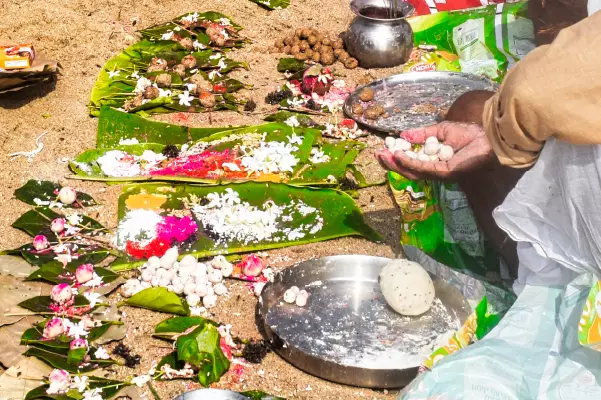
India, with its rich tapestry of traditions, has a unique way of celebrating life, death, and everything in between. Pitrupaksha, a sacred period dedicated to ancestral spirits, is one such celebration. Let’s delve into the magic of this tradition as it unfolds in Gaya, Prayagraj, and Varanasi.
Itroduction: The Mystical Allure of Pitrupaksha
Pitrupaksha, often translated as the ‘Fortnight of Ancestors,’ is a time when the living connect with the departed. It’s a period of reflection, gratitude, and rituals, especially prominent in the cities of Gaya, Prayagraj, and Varanasi.
The Spiritual Significance of Pitrupaksha
Pitrupaksha is not just about rituals; it’s a bridge to the past. During this period, it’s believed that the souls of our ancestors come closer to our realm, seeking blessings and peace.

Gaya: The Epicenter of Ancestral Blessings
Vishnupad Temple: A Portal to the Past
Gaya, a city in Bihar, is synonymous with Pitrupaksha. At its heart lies the Vishnupad Temple, believed to be the most sacred spot for performing rituals dedicated to ancestors.
The Rituals of Pind Daan
Pind Daan, a ritual offering made of rice balls, is performed on the banks of the Falgu River. It’s believed that this offering helps the souls of ancestors attain salvation.
Prayagraj: Where Three Rivers Meet
The Triveni Sangam: A Confluence of Faith
Prayagraj, formerly known as Allahabad, is home to the Triveni Sangam – the confluence of the Ganga, Yamuna, and the mythical Saraswati. This sacred spot witnesses numerous rituals during Pitrupaksha, each aimed at honouring ancestral spirits.
Rituals and Traditions of Prayagraj
From taking a holy dip in the Sangam to performing elaborate rituals, Prayagraj is a hub of activities during Pitrupaksha. The city, with its rich history, adds layers of depth to these traditions.
Varanasi: The Timeless City of Lights
Ghats of Devotion and Reflection
Varanasi, or Benares, is where time stands still. The ghats of Varanasi, especially the Dashashwamedh Ghat, come alive during Pitrupaksha, with rituals, chants, and a sea of devotees.
The Legends and Lore of Varanasi
Varanasi is not just a city; it’s a living legend. The tales of Lord Shiva, the cycle of life and death, and the eternal Ganges are all intertwined with the Pitrupaksha celebrations here.
The Common Thread: Honoring Ancestral Spirits
While each city has its unique flavor, the essence of Pitrupaksha remains the same – honouring and remembering those who came before us. It’s a testament to the Indian belief in the cyclical nature of life and the deep connection between generations.
Conclusion: A Journey of Faith and Remembrance
Pitrupaksha, as celebrated in Gaya, Prayagraj, and Varanasi, is a profound experience. It’s a journey that takes you back in time, connects you with ancestral spirits, and offers a deeper understanding of life’s eternal cycle.
Considering a rite for your own family?
Tell us what your family needs and a coordinator will contact you personally. No online payment is requested.
Send an enquiry