Dwarka Siddhpur Pitrupaksha (Matru Gaya): Gujarat’s Key Sacred Centers for Pitrupaksha Rites.
This guide covers the Dwarka Siddhpur Pitrupaksha pilgrimage, a complete ancestral journey in Gujarat. Dwarka, the city of Lord Krishna and a Moksha-puri, is a powerful site for general Shraddha, amplified by its proximity to Prabhas Kshetra, a Tirtha beloved by ancestors. Siddhpur, known as 'Matru Gaya,' holds unique significance as the only place where rites are performed exclusively for the mother's lineage, centered around the sacred Bindu Sarovar. By combining these two destinations, a pilgrim performs a comprehensive Shraddha, honoring both paternal and maternal lines, ensuring peace and liberation for the entire family tree. This dual offering represents one of the most complete fulfillments of ancestral duty.
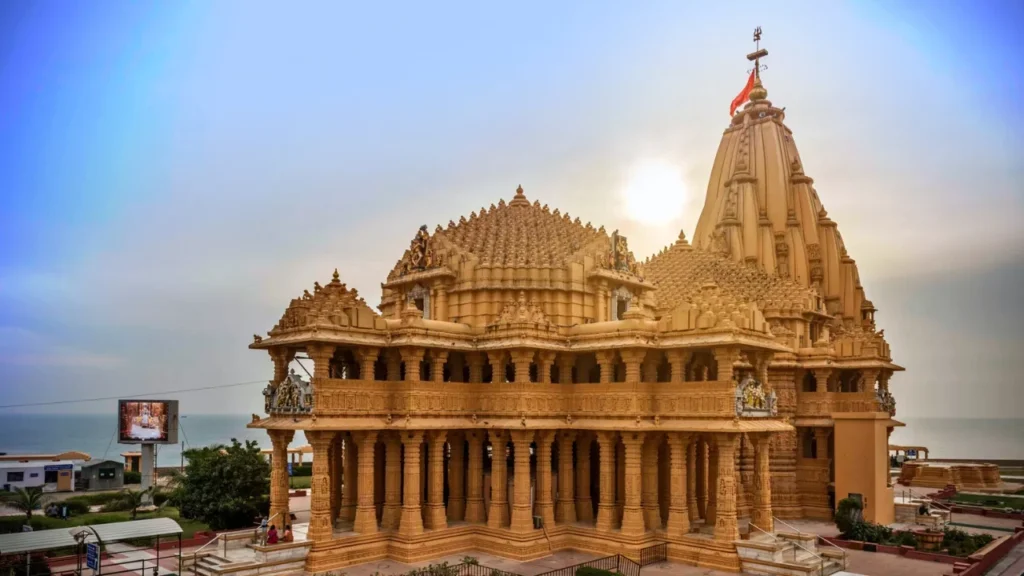
Jai Dwarkadheesh!
Dwarka: The Golden City of the Lord

To understand the sanctity of performing ancestral rites in Dwarka, we must first immerse ourselves in the divine aura of the city itself. Dwarka, or Dvaravati, is not just an ancient city; it is one of the seven Moksha-puris, the sacred cities that have the inherent power to grant liberation- Dwarka Siddhpur Pitrupaksha
The Presence of Dwarkadheesh (Lord Krishna)
The very soul of Dwarka is its eternal king, Lord Krishna himself. He founded this magnificent city on the shores of the ocean, and his divine presence permeates every grain of its sand. The scriptures emphasize that places where idols of Hari (Vishnu/Krishna) are installed are exceptionally potent. To perform a sacred rite in Dwarka is to perform it in the very court of the Lord of the Universe. When you make an offering here, you are doing so with the Supreme Lord as your witness. This divine presence elevates every prayer, every offering, making it incredibly powerful.
The Gateway to Prabhas Kshetra: A Tirtha Dear to the Pitrs
While Dwarka is powerful in its own right, its significance for Shraddha is immensely amplified by its proximity to the great Tirtha of Prabhasa. The scriptures praise Prabhasa as “a great Tirtha that is destructive of all sins” and, most importantly for our topic, describe it as a place that is “a favourite of the Pitrs always.”
The holy texts make a remarkable claim: a Shraddha offering made at Prabhasa is considered “superior to that offered at the holy place called Gaya.” This is a profound statement, highlighting the immense satisfaction (tripti) that ancestors receive from rites performed here. The Yadavas, Lord Krishna’s own clan, performed their rites at Prabhasa. When you perform Shraddha in the Dwarka-Prabhas region, you are following in the footsteps of the Lord’s own family. You are tapping into a stream of ancestral grace that flows directly from the time of Krishna.
Siddhpur: The Sacred Ground of Matru Gaya
Now, let us turn to a place of unique and tender significance—Siddhpur. While the name “Siddhpur” might not be explicitly detailed in some of the ancient Puranas, the tradition and the spiritual principle it represents are profoundly scriptural. Siddhpur is revered throughout India as “Matru Gaya”—the Gaya for the Mother.
The Unique Debt to the Mother
In our Dharma, we recognize the Pitra-rin, the debt to the father’s lineage. But the debt to our mother, the one who carried us, nourished us, and gave us our very first experience of selfless love, is unique and immeasurable. While a general Shraddha honors both paternal and maternal ancestors, it was felt by the great sages that a specific place was needed to exclusively honor and repay the sacred debt to the mother and her lineage. Siddhpur is that sacred place.
The Legend of Rishi Kardam and the Bindu Sarovar
The sanctity of Siddhpur is centered around the Bindu Sarovar, a sacred lake. It is believed to be the place where the great sage Kardam Muni performed severe austerities. Lord Vishnu, pleased with his devotion, appeared here. It is said that the tears of joy that fell from the Lord’s eyes formed this sacred lake, the Bindu Sarovar (Bindu meaning “drop” or “tear”).
It is on the banks of this holy lake that Lord Kapila, the son of Kardam Muni and Devahuti and an incarnation of Lord Vishnu, imparted the supreme knowledge of Sankhya philosophy to his mother Devahuti, leading to her liberation. Thus, this place became eternally associated with a son fulfilling his highest duty to his mother.
The Exclusivity of Matru Shraddha
This is the most important aspect of a Dwarka Siddhpur Pitrupaksha pilgrimage. While Gaya is for all ancestors, Siddhpur is the only place in India where Shraddha is performed exclusively for the mother. A son comes here to offer Pindas specifically for his mother, grandmother, and great-grandmother.
This act acknowledges the separate and profound spiritual identity of the maternal line. It is an act of deep gratitude, ensuring that the souls of the mothers in your lineage receive a focused, powerful, and exclusive offering that grants them peace and ultimate liberation.
The Sacred Synergy: Combining Dwarka and Siddhpur during Pitrupaksha

For a pilgrim from Gujarat or anywhere in the world, combining a visit to both these sacred centers during Pitrupaksha creates a complete and profoundly satisfying ancestral pilgrimage.
The Procedure and Offerings
The core rituals at both these sites follow the sacred traditions of Shraddha.
- The Holy Dip ( The rites begin with a purifying bath—in the Gomti River or the ocean at Dwarka, and in the sacred Bindu Sarovar at Siddhpur.
- Tarpan (Water Oblations): Water offerings mixed with black sesame seeds are made to the ancestors.
- Pind Daan: The offering of Pindas (rice balls) is the central act, performed under the guidance of the local Tirtha Purohits.
- Feeding Brahmins and Charity (Daan): The ritual is completed by feeding learned Brahmins and giving charity in the name of the ancestors.
A Complete Fulfillment of Ancestral Duty
By performing a Dwarka Siddhpur Pitrupaksha yatra, a devotee completes the full circle of ancestral reverence:
- At Dwarka/Prabhas: You honor your entire lineage—paternal and maternal—in the presence of Lord Krishna, at a Tirtha beloved by the Pitrs.
- At Siddhpur (Matru Gaya): You then perform a focused, exclusive rite for your mother’s lineage, repaying that unique and sacred debt on the very ground sanctified for this purpose.
This dual offering ensures that every branch of your family tree, on both your father’s and your mother’s side, is nourished, satisfied, and set on the path to liberation.
A Pandit’s Final Counsel
When is the Best Time?
The fifteen-day period of Pitrupaksha is undoubtedly the most powerful time to undertake this sacred journey. The energies are aligned, and the ancestors are most receptive. Other auspicious times include Amavasya (new moon days) and the month of Karttika.
What if I Cannot Travel?
The Lord and your ancestors understand your circumstances. If a physical journey is not possible, do not be disheartened.
- Mental Pilgrimage (Manasika Yatra): During your home Shraddha, in your Sankalpa, mentally transport yourself. First, visualize the shores of Dwarka and the holy grounds of Prabhas and make your offering. Then, visualize the serene Bindu Sarovar at Siddhpur and make a special offering for your mother. A focused and heartfelt mental offering also reaches its destination.
- Rites on Your Behalf: In this modern age, it is a great blessing that you can have these sacred rites performed on your behalf by qualified priests at these very locations. Organizations like pitrupaksha.org can facilitate this connection, ensuring that your devotion and offerings reach the intended Tirthas even when you cannot.
Conclusion:
In humble conclusion, it is clear that Dwarka and Siddhpur are the twin jewels in the crown of Gujarat’s sacred geography for ancestral rites. Dwarka, the city of the Lord, offers a powerful, all-encompassing Shraddha at the gateway to Prabhas, a place favored by the Pitrs. Siddhpur, as Matru Gaya, offers a unique and irreplaceable opportunity to honor the sacred maternal line.
To undertake a Dwarka Siddhpur Pitrupaksha pilgrimage is to fulfill your ancestral duty in the most complete and profound way possible, ensuring that every soul in your lineage, both paternal and maternal, receives the blessings of peace, satisfaction, and ultimate liberation.
Jai Shri Krishna!
Considering a rite for your own family?
Tell us what your family needs and a coordinator will contact you personally. No online payment is requested.
Send an enquiry