Is Pitrupaksha Really Inauspicious? Clearing Up Common Fears & Rules
Is Pitrupaksha Really Inauspicious? This is a common cloud of misunderstanding that can cause unnecessary fear. The truth is, this sacred fortnight is not inherently inauspicious (ashubh). In fact, it's profoundly sacred (pavitra) and spiritually potent, being the most auspicious time for ancestral rites (Pitru Karya). The reason new beginnings like weddings or buying property are avoided isn't due to a 'curse,' but because the period's energy is focused on remembrance, reflection, and honoring the past, not outward expansion. This solemnity is about respect, not negativity. Debunking other myths: Pitrupaksha isn't solely about sorrow; it's rich with gratitude and love. Ancestors don't become angry and curse if rituals aren't perfect; Pitra Dosha is an energetic imbalance, and sincerity (Bhaav) in offerings matters most. Furthermore, while sons have a primary role, daughters and other relatives can certainly perform these rites. The avoidance of certain activities is about maintaining focus and simplicity, not paralyzing daily life. Far from being outdated, Pitrupaksha cultivates timeless values and deep connection, accessible even through simple, heartfelt acts of remembrance if elaborate rituals aren't possible. So, is Pitrupaksha Really Inauspicious? Absolutely not. Approach it with reverence and understanding to unlock its profound blessings. Knowing that Pitrupaksha is actually a highly sacred period for its specific purpose, how does this change your perspective on observing these 15 days?
ॐ ज्ञानरूपाय नमः | ॐ संशयच्छेत्रे नमः |
Namaste. It is natural that around practices as ancient and profound as Pitrupaksha, clouds of misunderstanding gather like mist in the monsoon. Fear and confusion often arise where clarity is lacking. This is why we present you here a detailed article that will clear all your doubts and confusions on Pitrupaksha.
Is Pitrupaksha Really Inauspicious? Clearing Up Common Fears & Rules: When Tradition Meets Misinterpretation
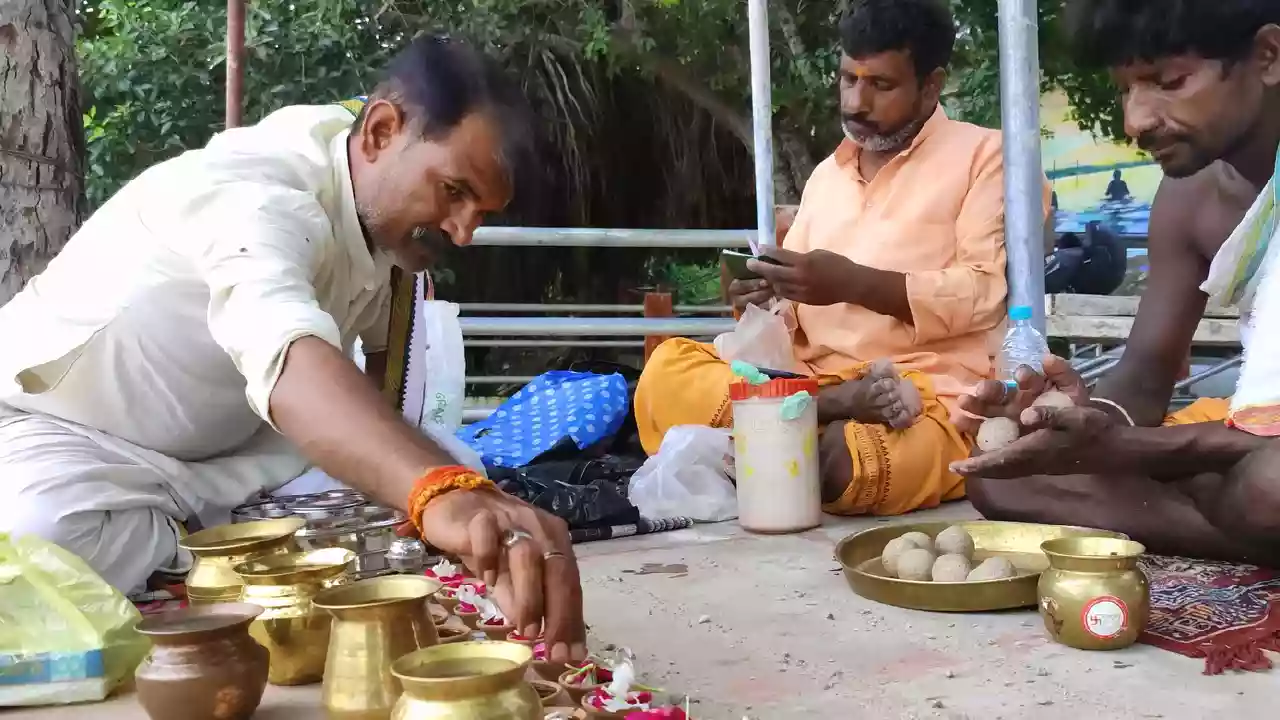
Pitrupaksha, the sacred fortnight of the ancestors, is a cornerstone of Hindu life, a time deeply woven into our cultural and spiritual fabric. Yet, like any ancient tradition passed down through generations and across diverse regions, certain aspects can become misinterpreted or exaggerated over time. Sometimes, fragments of knowledge are remembered without their full context, leading to beliefs that cause unnecessary fear, confusion, or even neglect of these vital rites.
Let us examine some of the most common misconceptions surrounding Pitrupaksha and replace them with the clearer understanding offered by our scriptures and long-standing tradition.
Misconception 1: Pitrupaksha is an Inherently Inauspicious (Ashubh) Period.
The Misconception: Many believe this entire fortnight is generally ‘bad luck’, a time when negativity prevails, and therefore, one should be wary or even fearful.
The Reality (Satya):
This is perhaps the most pervasive misunderstanding.
- Sacred, Not Inauspicious: Pitrupaksha is not inherently inauspicious (ashubh). It is profoundly sacred (pavitra) and spiritually potent (shaktishali). It is the most auspicious time of the year specifically for performing rites for ancestors (Pitru Karya).
- Auspicious for Ancestral Rites: Performing Shraddha, Tarpan, and Pinda Daan during this period yields maximum benefit for both the ancestors and the descendants, according to scriptures.
- Inauspicious for New Beginnings Only: The reason auspicious activities like weddings, buying property, or starting new ventures are avoided is not because the time is ‘cursed’, but because the energetic focus of this period is different.
- Pitrupaksha’s energy is oriented towards remembrance, reflection, dissolution, honouring the past, and connecting with the subtle realm of ancestors.
- New beginnings require energy focused on creation, expansion, growth, and the future.
- Avoiding new ventures shows respect for the solemnity of the period and prevents energetic conflict. It ensures focus remains on the primary duty: honouring the Pitrus.
- A Time of Blessings: It’s the prime time to receive Pitru Kripa (ancestral blessings), which bring prosperity and well-being. How can a time dedicated to receiving grace be fundamentally ‘inauspicious’?
Key Takeaway: Pitrupaksha is highly sacred and beneficial for its intended purpose. Its solemnity should not be mistaken for negativity.
Misconception 2: Pitrupaksha is Only About Death, Sorrow, and Morbidity.
The Misconception: Some view this period solely through the lens of death, associating it with constant sadness, mourning, and a morbid focus on the departed.
The Reality (Satya):
While remembrance of departed loved ones naturally involves moments of solemnity and perhaps missing them, the core spirit of Pitrupaksha is far richer and more positive.
- Focus on Gratitude (Kṛtajñatā): The primary emotion encouraged is deep gratitude for the gift of life and lineage. It’s a celebration of continuity, not just an observation of absence.
- Expression of Love and Reverence: The rituals are acts of love, respect (adar), and devotion (bhakti) towards those who paved the way for us.
- Seeking Blessings for the Living: A major aspect is invoking the positive blessings of satisfied ancestors for the health, happiness, and prosperity of the living family.
- Celebrating Lineage: It’s a time to connect with one’s roots and appreciate the strength and history of the family line. Elders often share stories, strengthening family identity.
- Peace and Fulfillment: Successfully performing one’s duty towards ancestors brings a deep sense of peace (shanti) and fulfillment (santosh) to the performer, not just sorrow.
Key Takeaway: While dealing with departed souls, Pitrupaksha’s essence is reverence, gratitude, connection, and seeking blessings, making it spiritually fulfilling rather than merely morbid.
Misconception 3: Ancestors Get Angry and Curse Descendants if Rituals Aren’t Done (Perfectly).
The Misconception: A fear exists that if Shraddha isn’t performed, or if done incorrectly, ancestors will become angry spirits who actively curse the family, causing misfortune.
The Reality (Satya):
This anthropomorphizes ancestors and misinterprets the concept of Pitra Dosha.
- Dissatisfaction vs. Anger: Scriptures speak of ancestors becoming dissatisfied (atṛpta) if neglected, not necessarily filled with vengeful anger. They are generally seen as benevolent entities wishing well for their lineage.
- Pitra Dosha as Imbalance: Pitra Dosha is better understood as an energetic imbalance or blockage caused by unfulfilled duties (neglected Pitru Rina) or the ancestors’ own unresolved karma/suffering. This imbalance, rather than a specific curse, manifests as obstacles. Think of weak roots unable to nourish a tree, not roots actively poisoning it.
- Focus on Benevolence: Ancestors desire peace and sustenance (tripti). Their ‘blessings’ arise naturally from their state of satisfaction, not as a reward withheld out of spite.
- Sincerity Matters Most (Bhaav): While correct procedure is ideal, the sincerity, faith (shraddha), and love (bhaav) behind the offering are paramount. A simple offering made with a full heart is often considered more valuable than an elaborate ritual performed mechanically or fearfully. Perfection is less critical than genuine intent.
- Remedies Exist: If neglect has occurred, sincere performance of Shraddha later, especially on Mahalaya Amavasya or at Tirthas, serves as a remedy, showing it’s about fulfilling duty, not appeasing vengeful spirits.
Key Takeaway: Approach rituals with love and duty, not fear. Ancestors seek peace and offer blessings when satisfied; obstacles arise from imbalance, not typically from curses.
Misconception 4: Only Sons (Especially the Eldest) Can Perform Shraddha.
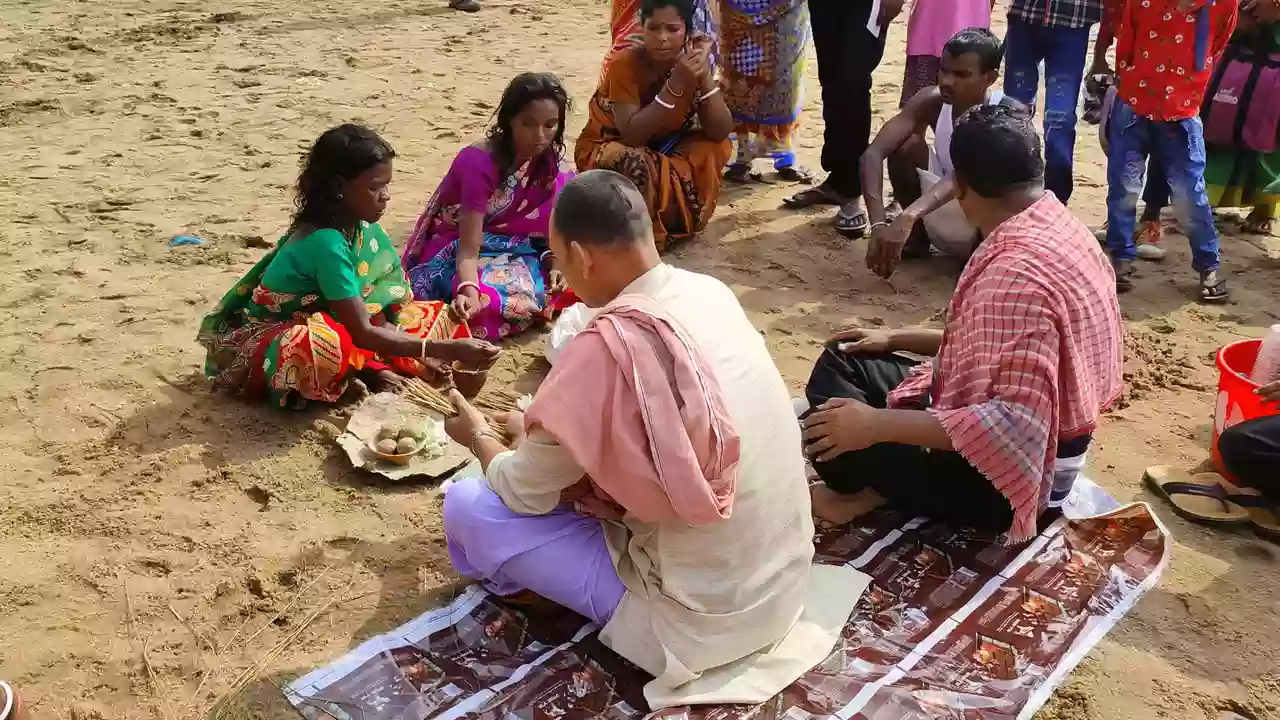
The Misconception: A rigid belief persists that only sons have the right or capability to perform these rituals, excluding daughters and other relatives entirely.
The Reality (Satya):
While tradition designates the eldest son as having the primary duty (adhikara), this is not an absolute exclusion. Hindu tradition is both pragmatic and compassionate.
- Primary Duty of Son: Traditionally, the son continues the paternal lineage and bears the main responsibility.
- Order of Eligibility: If the eldest son is unavailable or unable, the duty passes down: younger sons, grandsons (son’s son – pautra), great-grandsons.
- Inclusion of Daughters & Grandsons (Daughter’s Son – Dauhitra): Crucially, scriptures and traditions widely acknowledge the eligibility of others:
- Daughter’s Son (Dauhitra): Considered extremely auspicious to perform Shraddha, especially for the maternal grandfather. His offering is believed to bring immense merit.
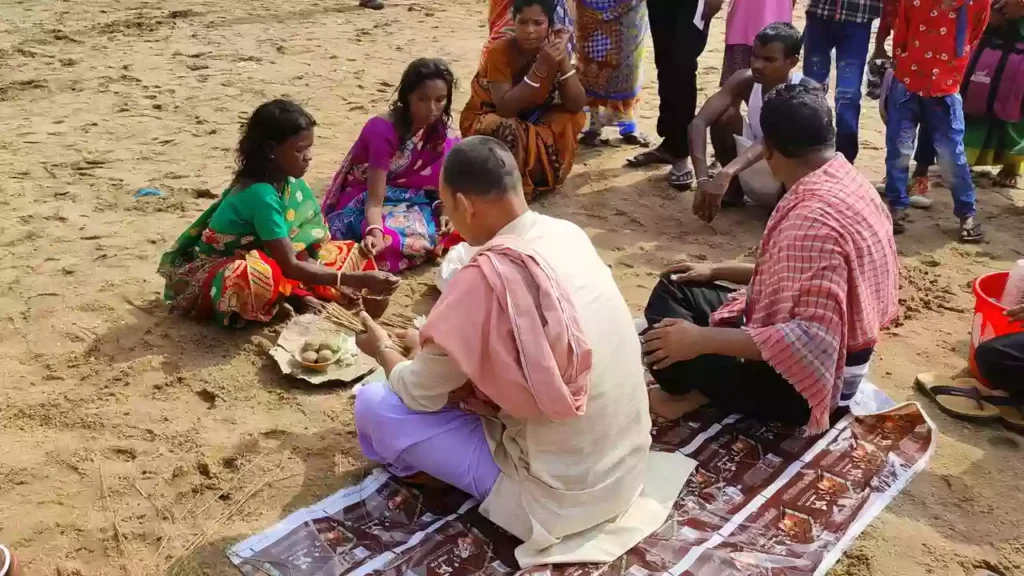
- Daughters: In the absence of sons or grandsons, daughters absolutely can and do perform Shraddha for their parents. Their love and connection are paramount. Many scriptural and Puranic instances support this, and it’s a growing practice. The Garuda Purana mentions eligibility extending widely if closer relatives are absent.
- Wife: A wife can perform Shraddha for her deceased husband.
- Other Relatives: Nephews, disciples, friends, or even dedicated priests can perform the rites if no immediate family is available.
- Core Principle: The essential thing is that the ancestors are remembered and nourished by someone connected through lineage or love, with sincerity.
Key Takeaway: While sons have a traditional primary role, eligibility extends to daughters, grandsons, wives, and others, ensuring ancestors are not neglected. The bond of love and duty transcends rigid gender lines.
Misconception 5: Absolutely NO Auspicious Activities, Purchases, or Enjoyments are Allowed.
The Misconception: Some interpret the avoidance of new beginnings so strictly that they believe one cannot buy even basic necessities, have a simple meal outside, or experience any form of enjoyment during these 15 days.
The Reality (Satya):
This is an exaggeration of the principle of maintaining solemnity and focus.
- Focus on Major Beginnings & Celebrations: The primary avoidance concerns significant life events (weddings, housewarmings, starting businesses) and major celebratory purchases (cars, luxury items, sometimes new clothes).
- Essential Activities Continue: Daily life, essential work, necessary purchases for sustenance, and basic routines naturally continue. One doesn’t stop living.
- Simplicity, Not Deprivation: The emphasis is on simplicity and avoiding excessive indulgence or festivity. Eating simple, home-cooked (satvik) food is encouraged, but having a necessary meal outside isn’t a spiritual catastrophe.
- Intention Matters: The spirit is to keep the mind focused on the ancestors and maintain an atmosphere of respect, not to inflict unnecessary hardship or paranoia about every small action. Use common sense and maintain a respectful attitude.
Key Takeaway: Avoid major new ventures and celebrations. Practice simplicity and maintain a respectful focus, but don’t paralyze daily life with excessive restrictions.
Misconception 6: Pitrupaksha is an Outdated Superstition with No Real Benefit.
The Misconception: In a modern, rational world, some dismiss the entire practice as meaningless superstition, devoid of any tangible or spiritual benefit.
The Reality (Satya):
Viewing Pitrupaksha solely through a narrow, materialistic lens misses its profound psychological, social, and spiritual dimensions.
- Reinforces Timeless Values: It actively cultivates universal values like gratitude, respect for elders, duty (Dharma), and remembrance, which are crucial for a healthy society and individual character, regardless of era.
- Strengthens Family Bonds: As discussed previously, it fosters connection with lineage (vertical bonds) and brings living family members together (horizontal bonds) through shared rituals and storytelling.
- Provides Psychological Anchoring: Connecting with one’s roots provides a sense of identity, belonging, and resilience, countering modern feelings of alienation and rootlessness.
- Spiritual Framework: For believers, it provides a structured way to engage with concepts of karma, the afterlife, and the continuity of consciousness, offering comfort and a means to actively participate in the well-being of departed loved ones.
- The Power of Intention and Placebo: Even from a purely psychological standpoint, focused intention, belief, and ritual action can have powerful positive effects on the individual’s mindset and sense of well-being.
Key Takeaway: Pitrupaksha embodies deep wisdom about human psychology, social cohesion, and spiritual connection, making it relevant even today, far beyond mere superstition.
Misconception 7: Shraddha Requires Complex, Expensive Rituals Only Priests Can Do.
The Misconception: The perceived complexity and potential cost associated with elaborate Shraddha ceremonies lead many to believe it’s inaccessible or impossible without hiring priests for expensive rituals.
The Reality (Satya):
While elaborate rituals exist and hold significance, accessibility and sincerity are key.
- Simple Acts Hold Value: Hindu tradition emphasizes that sincere intention (Bhaav) is paramount. Even simple acts performed with love and faith are deeply valued:
- Simple Tarpan: Offering water with sesame seeds daily.
- Prayer & Remembrance: Consciously remembering ancestors and praying for their peace.
- Anna Daan (Food Donation): Donating food or groceries to the needy or Brahmins in the name of ancestors.
- Feeding Animals: Offering food to cows, crows, or dogs.
- Focus on Capability: One should perform rituals according to their capability (yathashakti). The Shastras provide various options. Doing something sincerely is better than doing nothing due to perceived complexity or cost.
- Learning is Possible: Basic procedures for simple Tarpan or Shraddha can be learned from knowledgeable family elders, reliable books, or accessible online resources (checking authenticity is important).
- Priests as Guides: When engaging priests, view them as guides facilitating the process, but the core devotion must come from the descendant (Kartā).
Key Takeaway: Don’t let perceived complexity or cost deter you. Simple, sincere acts of remembrance, offering, and charity performed with faith hold immense value in honouring ancestors.
Conclusion: Is Pitrupaksha Really Inauspicious?
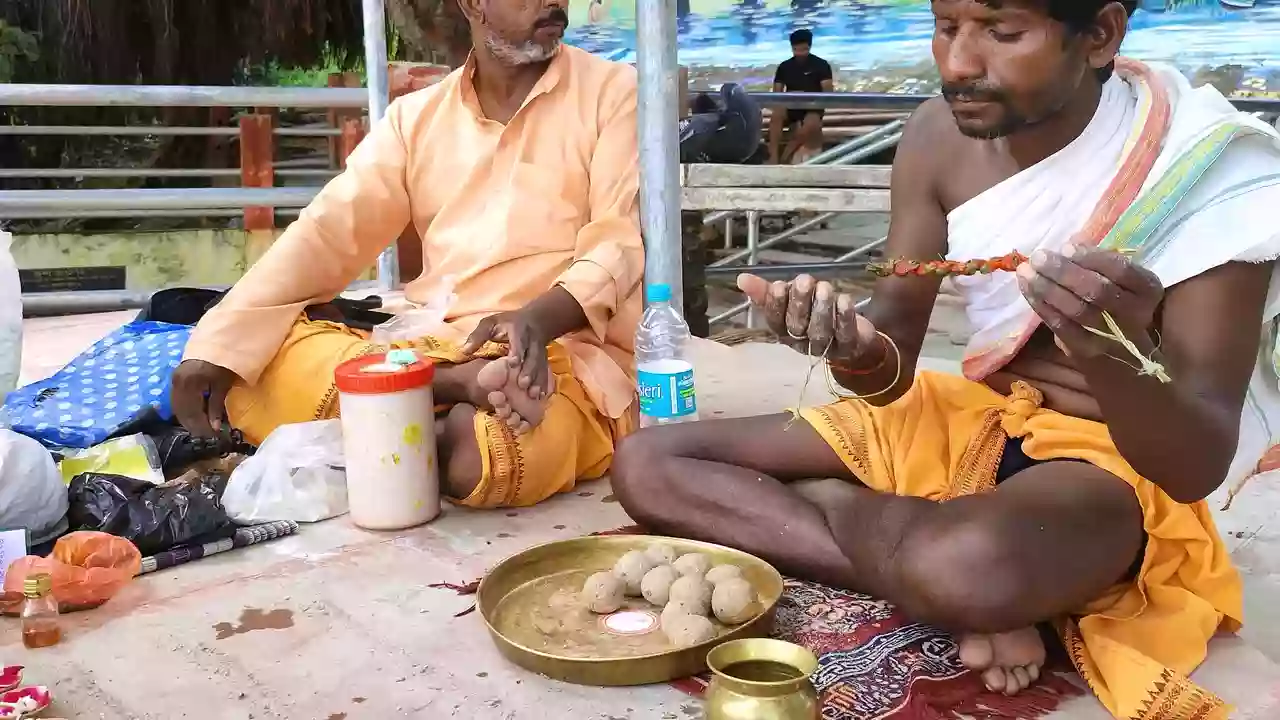
Let these clarifications illuminate your path. Pitrupaksha is a profound period, rich with meaning and potential blessings. Do not let misconceptions cloud your understanding or fill your heart with unnecessary fear. Approach this sacred fortnight with:
- Reverence, not fear.
- Gratitude, not just obligation.
- Understanding, not blind adherence or dismissal.
- Sincerity, above all else.
By clearing away these common myths, we can engage with Pitrupaksha in its true spirit – as a beautiful, meaningful opportunity to connect with our roots, express our love across realms, fulfill our sacred duty, and receive the invaluable blessings of our contented ancestors.
ॐ शांतिः शांतिः शांतिः |
Considering a rite for your own family?
Tell us what your family needs and a coordinator will contact you personally. No online payment is requested.
Send an enquiry