Why Pitrupaksha Feels Different: Inauspicious Period or Sacred Opportunity?
Ever noticed Why Pitrupaksha Feels Different compared to other vibrant Hindu festivals? There's a distinct quietude, a solemn air, as new beginnings like weddings or business ventures are often postponed, and lifestyles simplify. This isn't because the period is inherently 'inauspicious' or negative. Instead, Pitrupaksha is an immensely sacred and spiritually potent fortnight dedicated entirely to honoring our departed ancestors. The somber tone arises naturally from its core purpose: connecting with souls in the subtle realm, engaging in heartfelt Shraddha (rituals of faith) and Tarpan (water offerings), and reflecting on the profound themes of lineage and mortality. The key is understanding that 'auspiciousness' in Hinduism relates to the suitability of time for specific activities. Pitrupaksha, falling during Dakshinayana (Sun's southern, introspective journey), is uniquely 'auspicious' for ancestral rites, offering the best opportunity to receive Pitru Kripa (ancestral blessings) and resolve Pitra Dosha (ancestral afflictions). The reason Why Pitrupaksha Feels Different and why new, expansive ventures are avoided is to align our energy with its reflective, past-focused nature and to maintain utmost respect for the visiting ancestors. It’s not about fear, but a sacred opportunity brimming with spiritual merit, urging us to embrace its quiet depth for profound connection and grace. When you understand that the solemn atmosphere is about focused reverence rather than negativity, how does it shift your perspective on participating in Pitrupaksha?
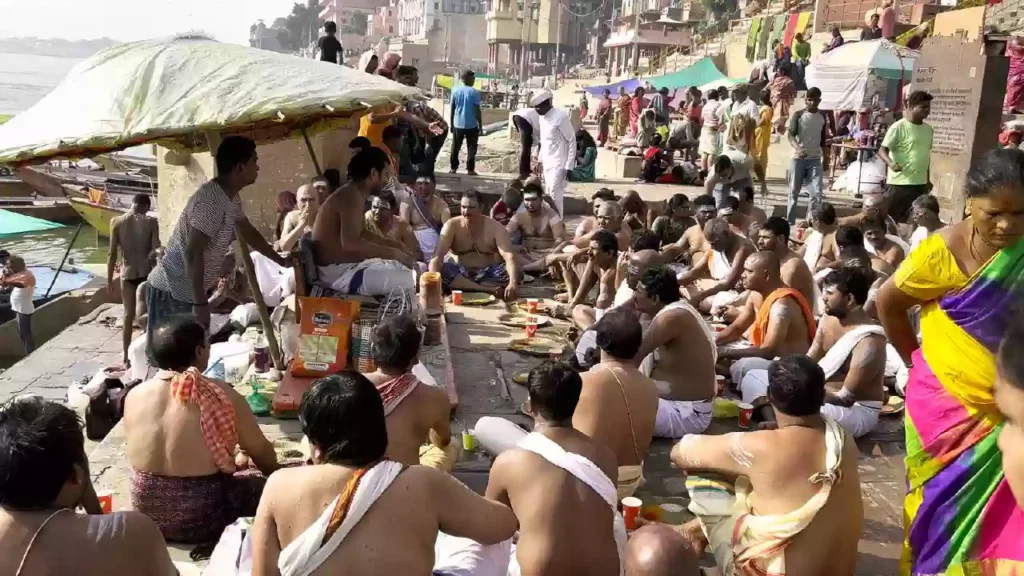
| ॐ असतो मा सद्गमय | तमसो मा ज्योतिर्गमय | मृत्योर्मा अमृतं गमय |
|| ॐ शांतिः शांतिः शांतिः ||
Sometimes, there is often a question in our minds: “Is Pitrupaksha inauspicious?” And why does it carry this distinctly somber tone, unlike the vibrant festivities of Navaratri or Diwali that often follow it?
Why Pitrupaksha Feels Different: Inauspicious Period or Sacred Opportunity?

Acknowledging the Atmosphere: The Quietude of Pitrupaksha
It is undeniable that Pitrupaksha carries a different feeling compared to other periods in the Hindu calendar. We observe:
- A general tendency to postpone auspicious events like weddings, engagements, housewarmings (Griha Pravesh), or the start of new business ventures.
- A reduction in celebratory activities and social gatherings.
- Many families observe dietary restrictions, favoring simple, home-cooked vegetarian meals and avoiding certain ingredients like onion, garlic, or non-vegetarian food.
- Some individuals avoid haircuts, shaving, or buying new clothes or major possessions.
- There’s an overall atmosphere of reflection, remembrance, and quiet duty.
This collective shift naturally creates a more subdued, or ‘somber’, environment. But does this automatically mean the period itself is inherently negative or ‘inauspicious’ (ashubh – अशुभ)?
Defining ‘Auspicious’ (शुभ – Shubha) vs. ‘Inauspicious’ (अशुभ – Ashubha)
In Hindu thought, ‘auspicious’ and ‘inauspicious’ are not absolute labels of ‘good’ and ‘bad’. They are more related to suitability for specific activities based on the prevailing energies and purpose of a given time (Kala).
- Auspicious (Shubha): Refers to a time, event, or sign considered favourable for positive outcomes, growth, prosperity, new beginnings, and divine blessings related to worldly or spiritual advancement. Think of energies supporting creation, celebration, and expansion.
- Inauspicious (Ashubha): Refers to a time, event, or sign considered unfavourable for certain activities, particularly new beginnings or celebrations. It might indicate energies related to dissolution, reflection, dealing with the past, or connecting with realms less associated with immediate worldly growth.
Crucially: A time considered ‘inauspicious’ for one activity can be highly ‘auspicious’ for another. For example, certain astrological alignments might be unsuitable for marriage but excellent for performing specific tantric rituals or healing practices.
Why the Somber Tone? The Focus on Ancestors and the Subtle Realm
The somberness of Pitrupaksha stems directly from its core purpose: honouring the departed.
- Connection to the Departed: This fortnight is dedicated to connecting with souls who have left the physical world. Naturally, remembrance of the departed involves a degree of solemnity, respect, and introspection, rather than outward celebration. It’s a time when the veil between the world of the living and the realm of ancestors (Pitru Loka) is believed to thin.
- Nature of Shraddha Rituals: The central rituals of Pitrupaksha – Shraddha and Tarpan – are performed with deep faith (shraddha), reverence, and a sense of duty. They are solemn acts of offering sustenance and seeking peace for the ancestors. The mood required is one of focused devotion and respect, not lightheartedness.
- Reflection on Mortality and Lineage: Engaging with ancestral remembrance naturally leads to reflection on the nature of life and death, the continuity of lineage, and our own place within that chain. These are profound themes that inspire seriousness rather than festivity.
- Atmosphere of Respect: The various restrictions observed (postponing celebrations, dietary simplicity) are forms of showing respect (adar) for the ancestors believed to be visiting and for the sacredness of the period itself. It’s akin to how one might behave during a memorial service – respectfully and quietly.
- Association with Dakshinayana and Yama: As discussed earlier, Pitrupaksha falls during Dakshinayana (Sun’s southern journey), the direction associated with Lord Yama (God of Death) and Pitru Loka. This cosmic alignment itself lends a more introspective and less outwardly celebratory energy to the period.
Therefore, the somber tone is not indicative of negativity, but rather reflects the sacred, reflective, and duty-bound nature of the period’s focus.
Is Pitrupaksha Truly “Inauspicious”? Debunking the Misconception
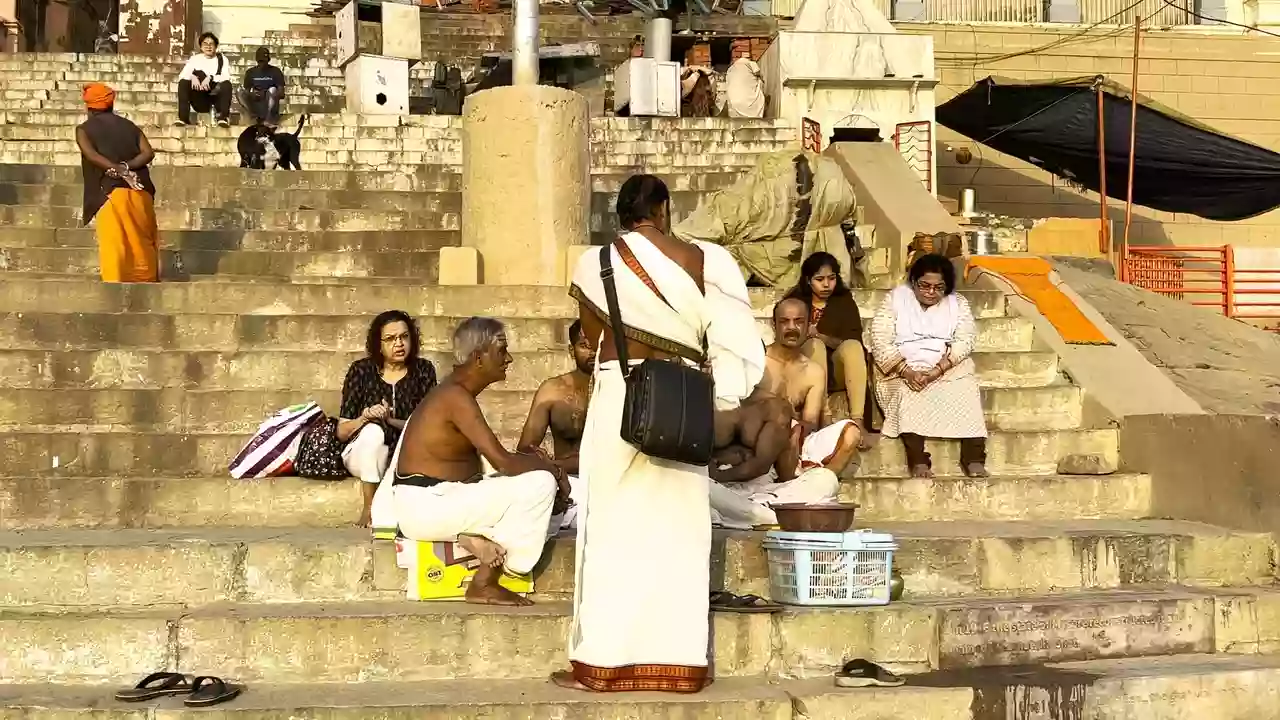
Now, let’s address the core question directly.
No, Pitrupaksha is NOT inherently inauspicious.
- Sacred and Potent: On the contrary, it is considered an extremely sacred (पवित्र – pavitra) and spiritually potent (शक्तिशाली – shaktishali) period. It holds immense significance in the Hindu calendar.
- Highly Auspicious for Ancestral Rites: This fortnight is, in fact, the most auspicious time of the entire year to perform Shraddha, Tarpan, Pinda Daan, and other rituals for the benefit of ancestors. Performing these rites during Pitrupaksha is believed to yield maximum results and blessings (Punya).
- A Time of Blessings (Pitru Kripa): It is the prime time when satisfied ancestors bestow their powerful blessings (Pitru Kripa) upon their descendants for health, prosperity, progeny, and overall well-being. How can a time dedicated to receiving such blessings be called ‘inauspicious’?
- Opportunity for Resolution: It’s the most effective time to address and seek resolution for Pitra Dosha (ancestral afflictions) through prescribed rituals. This makes it a time of potential healing and liberation from obstacles.
The misconception arises from confusing “inauspicious for new beginnings” with “inauspicious overall.”
Why Avoid New Beginnings during Pitrupaksha?
If the period is sacred, why avoid weddings, buying homes, or starting businesses? The reasoning lies in the specific energetic focus of Pitrupaksha:
- Energy Directed Towards the Past/Subtle Realms: The dominant energy during this fortnight is oriented towards remembrance, settling past debts (Pitru Rina), dissolution, and connecting with the subtle realm of the Pitrus. It’s an inward-looking, reflective energy.
- New Beginnings Require Forward Energy: Activities like marriage, starting a business, or building a home require a different kind of energy – one focused on creation, growth, expansion, and future prospects (associated more with Devas and the waxing moon, Shukla Paksha).
- Avoiding Energetic Conflict: Trying to initiate expansive, future-oriented activities during a time dedicated to reflecting on the past and honouring the departed can be seen as creating an energetic conflict or disharmony. It’s like trying to sow seeds during the harvest season – the timing isn’t aligned for optimal results.
- Maintaining Focus and Respect: Postponing major celebrations and purchases also helps maintain the collective atmosphere of respect and solemn focus on the ancestors, preventing distractions from the primary duty of the period.
Commonly Avoided Activities (as mentioned earlier):
- Weddings, Engagements
- Griha Pravesh (Housewarming)
- Starting New Businesses or Jobs
- Major Purchases (Vehicles, Property, sometimes even new clothes)
- Major Celebrations (Birthdays, Anniversaries – often observed simply)
- Haircuts, Shaving (especially on Shraddha day itself, varies by family)
It’s not that performing these activities brings a curse, but rather that:
- The timing is considered unfavourable for their success and smooth progress due to the prevailing energies.
- It shows a lack of respect for the specific purpose and sanctity of the Pitrupaksha period.
The Positive Perspective: A Time of Great Spiritual Merit
Instead of viewing Pitrupaksha through a lens of restriction and inauspiciousness, we should see it as a time brimming with unique spiritual opportunities:
- Clearing Ancestral Debt (Pitru Rina): The most potent time to fulfill this sacred duty.
- Receiving Ancestral Blessings (Pitru Kripa): An open window to gain the invaluable goodwill of satisfied ancestors.
- Strengthening Roots: Deepening connection to one’s lineage, fostering family unity (even across realms).
- Spiritual Growth: Cultivating virtues like gratitude, humility, selflessness, and devotion through the performance of rituals and acts of charity.
- Remedying Obstacles: Effectively addressing Pitra Dosha that may be hindering progress in life.
Somber vs. Sad or Fearful
It is also vital, to distinguish the somberness of Pitrupaksha from feelings of sadness or fear.
- Somberness: Implies seriousness, reverence, depth, and reflection. It is appropriate for the gravity of honouring those who gave us life and contemplating the cycles of existence.
- Sadness: While remembrance might naturally evoke moments of sadness or missing loved ones, the primary emotion encouraged during Shraddha is gratitude (Kritagyata) and devotion (Bhakti/Shraddha), leading to satisfaction (Tripti) for both the performer and the ancestor.
- Fear: There is no need to fear the ancestors or this period. Pitrupaksha is based on love and duty, not fear. Ancestors are generally seen as benevolent guides wishing well for their descendants. The rituals are performed out of respect and responsibility, not to appease angry spirits in a fearful way (though dissatisfaction due to neglect is a concept).
Conclusion: Embrace the Sacred Solemnity

So, let us put the misconception to rest. Pitrupaksha is not inauspicious. It is a profoundly sacred and spiritually charged fortnight, uniquely designated for the vital duty of honouring our ancestors.
Its somber tone arises naturally from its focus on remembrance, the subtle realms, and the performance of solemn rituals. The restrictions on new beginnings are not signs of negativity but guidelines for aligning our activities with the specific, reflective energy of the period, ensuring we give our full attention and respect to our Pitrus.
Approach Pitrupaksha not with apprehension, but with reverence. See it as a blessed opportunity to connect with your roots, express gratitude, fulfill a sacred duty, and receive the invaluable blessings that flow from satisfied ancestors. Embrace its quietude and depth, for within that solemnity lies immense spiritual power and grace.
ॐ शांतिः शांतिः शांतिः |
Considering a rite for your own family?
Tell us what your family needs and a coordinator will contact you personally. No online payment is requested.
Send an enquiry