Liquid Gold: Understanding Ghee Importance in Pitrupaksha Cooking and Rituals
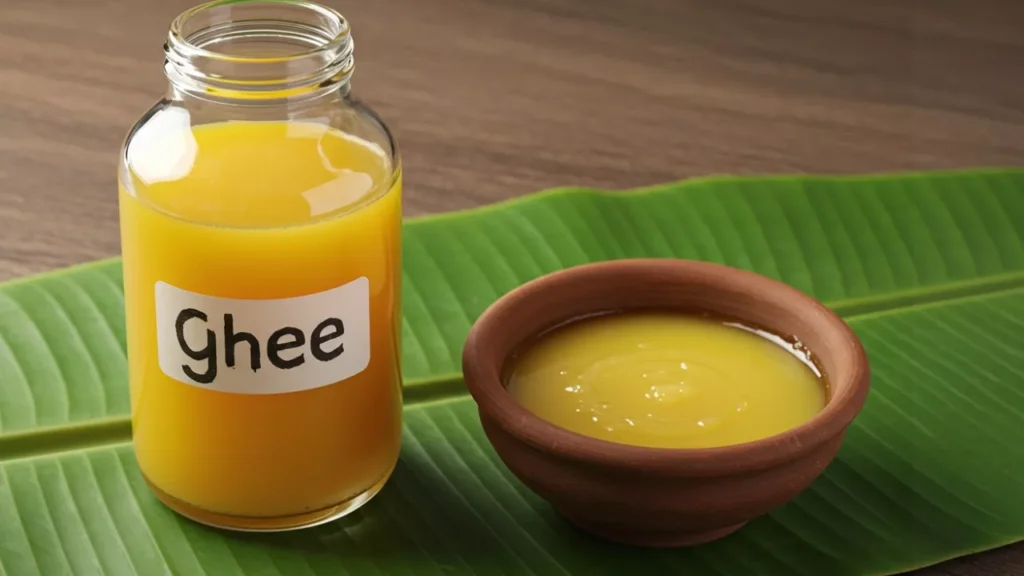
During the sacred fortnight of Pitrupaksha, Ghee (Ghrita) transcends its culinary role to become a substance of profound spiritual significance. But what exactly underpins the immense Ghee Importance in Pitrupaksha cooking and rituals, as highlighted in our venerable Puranas? This insightful exploration reveals why pure cow's ghee is considered "liquid gold" in ancestral reverence. Discover its pivotal role as the quintessential offering (ahuti) in Homa (fire oblations), carrying our prayers to the Pitṛs through Agni Deva. Learn how Ghee, a key component of the purifying Panchagavya and a meritorious Daan (charity) in itself, is explicitly recommended in Shradh rites for ensuring deep ancestral satisfaction (Pitru Tripti). From enriching the sacred Pindas and delectable Kheer (Payasa) to its use in Arghya and lighting the auspicious Deepa, Ghee's sanctity permeates every aspect of the observance. Drawing from texts like the Agni, Garuda, and Linga Puranas, understand how Ghee's sacred origin from the revered cow amplifies its spiritual potency. By embracing the profound significance of Ghee and offering it with devotion, you forge a luminous connection, ensuring your ancestors are well-pleased and shower your lineage with their most cherished blessings. Are you ready to harness the power of this sacred offering?
Namaste,
Pitrupaksha, our focus turns intensely towards honoring our ancestors. The Puranas, those timeless chronicles of our Dharma, guide us meticulously in these observances. They teach that rites like Shradh, performed with sincere devotion, bring immense satisfaction to our departed forefathers, freeing them from spiritual debts and ensuring their peaceful progress, which in turn showers blessings upon us, the living descendants. [Garuda Purana, Agni Purana] It is within this sacred framework of ancestral reverence and ritual purity that Ghee (Ghrita) shines with unparalleled significance- Ghee Importance in Pitrupaksha
Ghee: The Sacred Essence – More Than Just a Culinary Ingredient
Throughout the Puranic texts you have so diligently explored, Ghee emerges not merely as a cooking medium but as a substance of immense spiritual potency, purity, and power. Its role transcends the kitchen, permeating a vast array of sacred activities:
- The Heart of Homa (Fire Oblations): Ghee is the quintessential offering (ahuti) into the sacred fire (Agni). Agni is the divine messenger, carrying our oblations to the Devas and, in the context of Shradh, to our Pitrs. The Puranas state that oblations made with Ghee reach the celestial realms, even nourishing the Sun, from which all sustenance flows. [Agni Purana, Vayu Purana] Performing homa with Ghee is described as conferring peace and freeing one from sins.
- Purification and Consecration ( Ghee is considered an excellent substance for the ceremonial bathing (abhisheka) of deities and sacred symbols like the Linga. Bathing an idol with Ghee is specifically mentioned for lengthening life and conferring great merit. [Agni Purana, Linga Purana] This act of purification with Ghee underscores its inherent sanctity.
- A Key Component of Panchagavya: Ghee is one of the five sacred products derived from the cow (Panchagavya – milk, curd, ghee, urine, and dung), which collectively form a potent purifying agent used in various rites to remove impurities and sanctify individuals or spaces. [Agni Purana, Garuda Purana]
- A Meritorious Gift (Ghrita Daan): The gifting of Ghee (Ghrita Daan) is consistently highlighted in the Puranas as a highly virtuous act, one that confers significant merit, happiness, and fulfillment of desires. [Agni Purana, Padma Purana]

Ghee’s Central and Indispensable Role in Shradh and Ancestral Rites
Within the specific and deeply significant context of Shradh ceremonies and the broader veneration of our ancestors during Pitrupaksha, the Ghee importance Pitrupaksha underscores is paramount and multifaceted:
- Explicit Recommendation for Shradh: The Puranas explicitly state that Ghee derived from cow’s milk is specially recommended in Shradh. [Agni Purana, Garuda Purana] This is not a casual suggestion but a clear directive for ensuring the efficacy and appropriateness of the offerings.
- Ensuring Ancestral Satisfaction (Pitru Tripti):
- The texts affirm that if Ghee is offered in Shradh, it is directly contributory to the profound satisfaction of the Pitrs. [Garuda Purana, Matsya Purana] Their contentment is the primary goal of these rites.
- While the Ghrtakambalapuja (covering a Linga with Ghee) is a specific Shaivaite worship, the immense delight it brings to Lord Shiva and the immeasurable merit it yields [Linga Purana] hints at the universally accepted power of Ghee to please the divine. This divine satisfaction principle extends to ancestral propitiation, as our offerings often pass through divine intermediaries or are sanctified by divine grace.
- An Essential Ingredient in Sacred Food Offerings (Pinda and Naivedya):
- Ghee is a vital component in the preparation of Pindas (sacred rice balls offered to ancestors). It binds the ingredients, adds purity, and makes the offering more pleasing.
- Sacred dishes like Payasa (milk pudding/Kheer), Caru (a ritual rice/barley preparation often cooked with milk and butter/ghee), and Krsara (a dish of rice/gingelly seeds cooked with ghee) are all enriched with Ghee before being offered to the Pitrs or the Brahmins representing them. [Agni Purana, Padma Purana] Rice cooked directly in Ghee is also mentioned as a suitable offering.
- Component of Arghya (Sacred Water Offering): Ghee is listed among the eight sacred ingredients in the Arghya offering made to the Sun god, Surya, an offering that is also performed in conjunction with rites for ancestors. An Arghya containing Ghee, milk, curds, and honey is also made to Lord Shambhu (Shiva). [Agni Purana, Skanda Purana] This shows Ghee’s presence in libations meant for both Devas and Pitrs.
- Fueling the Ritual Fire in Shradh Homa: Any homa or fire ritual performed as part of the Shradh ceremony invariably uses Ghee as the primary oblation, ensuring that the essence of the offerings, along with our prayers, reaches the intended ancestral recipients through Agni Deva.
The Sacred Source of Ghee: The Revered Cow (Go Mata)
The profound Ghee importance Pitrupaksha highlights is inextricably linked to its source: the sacred cow. Our scriptures, as you’ve noted, hold the cow in the highest esteem:
- Cows are described as the “best of all things,” “desirable,” and their products are inherently purifying and auspicious. [Agni Purana, Padma Purana]
- The cow is seen as the very giver of Ghee and milk, a “river of Ghee.”
- The act of merely touching a cow, Ghee, or honey in the morning is said to free one from sin, illustrating the deep sanctity imbued in these substances derived from the cow. [Skanda Purana]
Therefore, the Ghee used in Pitrupaksha rituals, especially that derived from the milk of a desi (indigenous Indian) cow, carries an amplified spiritual potency due to the sacredness of its origin.
Ghee in Nourishment, Well-being, and Divine Sustenance
Beyond its direct ritualistic applications, the Puranas also recognize Ghee for its intrinsic nourishing properties and its contribution to overall health and vitality, which indirectly supports our ability to perform our Dharmic duties.
- Ghee is a key ingredient in numerous Ayurvedic medicinal preparations mentioned in the Puranas, valued for improving memory, intellect, digestion, and general well-being. [Agni Purana, Garuda Purana]
- Consuming food enriched with Ghee is considered beneficial and protective. The Agni Purana even suggests that eating meals continuously for a month without using cow products (including Ghee) can invite negative influences to partake in one’s meal, highlighting Ghee’s role in maintaining a sacred and protected dietary regimen.
- Mystically, the self-effulgent Divine is sometimes described as producing libations of clarified butter, hinting at Ghee’s connection to divine energy and cosmic sustenance. [Linga Purana]
How to Incorporate Ghee in Pitrupaksha: Practical Applications

Understanding the Ghee importance Pitrupaksha underscores, here’s how it is practically used:
- Cooking Shradh Bhojan: All food prepared for offering to Brahmins and for Pindas should ideally be cooked in pure cow’s Ghee or at least have Ghee added to it.
- Enriching Pindas: Ghee is mixed into the cooked rice along with sesame seeds, honey, and milk when preparing Pindas.
- Making Payasam/Kheer: A generous amount of Ghee is added to this sweet milk pudding to enhance its richness, flavor, and sacredness.
- Offering Tarpan with Ghee: Sometimes, a few drops of Ghee are added to the water offered during Tarpan, though the primary ingredients are water and black sesame seeds.
- Lighting the Deepa (Lamp): A lamp lit with pure cow’s Ghee is considered most auspicious during all sacred rituals, including Shradh, creating a sanctified atmosphere.
- Homa/Agnihotra: If a fire ritual is part of your Shradh ceremony, Ghee will be the main oblation.
- Daana (Charity): Donating Ghee (especially in a brass or bronze vessel) is a highly meritorious act during Pitrupaksha.
Conclusion: Ghee – A Luminous Offering of Love and Purity
In humble summation, drawing from the ocean of Puranic wisdom you have brought forth, Ghee is indeed “Liquid Gold” – a sacred, luminous substance indispensable in Hindu rituals, and most certainly during the solemn observances of Pitrupaksha. Its inherent purity, its sacred origin from the revered cow, its pivotal role in fire oblations (Homa) and other offerings, its presence as a vital component in sacred foods like Caru, Payasa, and Pindas, and its recognition as a vital, nourishing element for both physical and spiritual well-being all contribute to its exalted status.
By understanding the profound Ghee importance Pitrupaksha emphasizes, and by offering it with a heart full of devotion and strict adherence to the prescribed rites, we participate in a timeless tradition. We forge a luminous connection with the divine and ensure the deep satisfaction and benevolent blessings of our beloved Pitrs. May our offerings, sanctified by this liquid gold and our sincere Shradh, be lovingly accepted, bringing peace, prosperity, and spiritual upliftment to all.
|| हरि ॐ तत् सत् ||
Considering a rite for your own family?
Tell us what your family needs and a coordinator will contact you personally. No online payment is requested.
Send an enquiry