Important Dates: Dwitiya Shraddha in Pitrupaksha
Are you planning to observe Dwitiya Shraddha during Pitru Paksha in 2025 and seeking the most precise and auspicious timings for the rituals? Honoring family members who passed away on Dwitiya Tithi (the second day of either lunar fortnight) is a vital part of ancestral reverence, and knowing the exact window for these Parvan Shraddhas, also called Dooj Shraddha, is key. For 2025, the Dwitiya Tithi spans from September 8th (09:11 PM) to September 9th (06:28 PM). But when on September 9th should you conduct the ceremonies? The scriptures specify highly propitious periods: for New Delhi, the Kutup Muhurat is noted around 11:53 AM to 12:43 PM, followed by the Rohina Muhurat (e.g., 12:43 PM to 01:33 PM), and the broader Aparahna Kaal (e.g., 01:33 PM to 04:03 PM). While these provide excellent guidance, remember that Muhurat timings are location-dependent. How can you ensure you are performing the rites, concluding with Tarpan, at the most spiritually potent moment for your specific geographical area? With Pitru Paksha commencing on September 7th and ending on September 21st in 2025, understanding these details for Dwitiya Shraddha becomes crucial. Are you prepared to align your devotion with these celestial timings to offer the most profound homage?
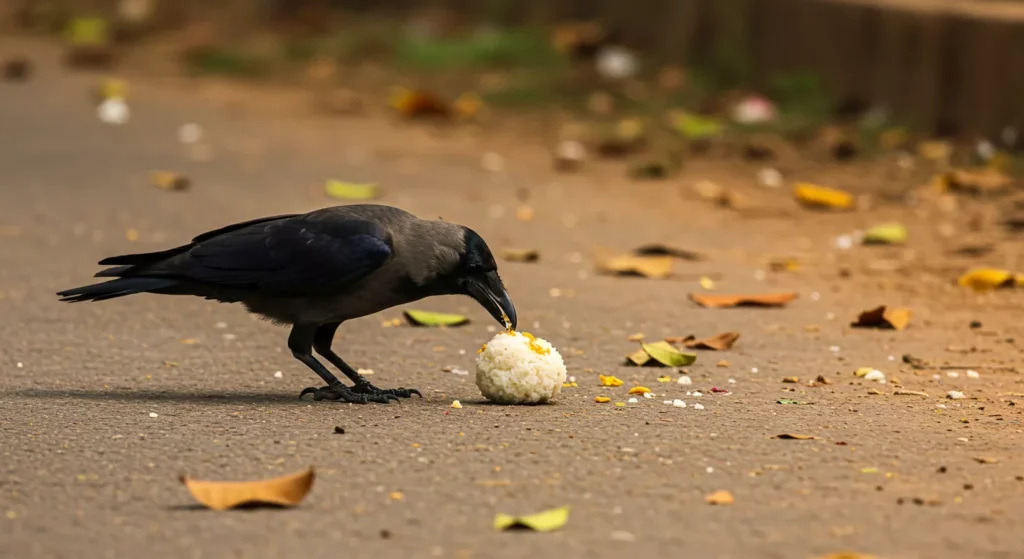
Dwitiya Tithi Begins: 09:11 PM on September 08, 2025.
Dwitiya Tithi Ends: 06:28 PM on September 09, 2025.
The auspicious times (muhurat) to perform the Shraddha rituals on September 9, 2025, are generally considered to be:
-
Kutup Muhurat: This is a specific auspicious time frame. For New Delhi, India, it is listed as 11:53 AM to 12:43 PM. Another source mentions 11:30 AM to 12:20 PM.
-
Rohina Muhurat: Following the Kutup Muhurat. For New Delhi, India, it is 12:43 PM to 01:33 PM. Another source lists 12:20 PM to 01:10 PM.
-
Aparahna Kaal (Post Meridian): This is a broader period suitable for Shraddha. For New Delhi, India, it is from 01:33 PM to 04:03 PM. Another source indicates 01:10 PM to 03:39 PM.
Important Considerations:
-
Location Dependent: The exact muhurat timings can vary slightly based on your geographical location due to differences in sunrise and sunset times. It is always best to consult a local panchangam (Hindu almanac) or a knowledgeable priest for the precise timings in your specific area.
-
Parvan Shraddhas: Pitru Paksha Shraddhas are Parvan Shraddhas, and the auspicious time to perform them is generally during the Kutup Muhurat, Rohina Muhurat, or until the Aparahna Kaal gets over. Tarpan (water libation) is typically performed at the end of the Shraddha ritual.
-
Who performs Dwitiya Shraddha?: Dwitiya Shraddha is performed for deceased family members who passed away on the Dwitiya Tithi (second day) of either the Shukla Paksha (waxing moon phase) or Krishna Paksha (waning moon phase). It is also known as Dooj Shraddha.
Pitru Paksha in 2025 will begin on September 7, 2025, and conclude on September 21, 2025.

Considering a rite for your own family?
Tell us what your family needs and a coordinator will contact you personally. No online payment is requested.
Send an enquiry