Uncategorized 5 min read

An Interplay of Astronomy, Rituals, and Beliefs: PitruPaksha

Ever wondered how the cosmos influences our most sacred traditions? The Hindu observance of Pitru Paksha, a 16-day period dedicated to honoring departed ancestors, is a compelling example of An Interplay of Astronomy, Rituals, and Beliefs: Pitru Paksha. But what specific celestial alignments dictate this solemn fortnight, and how do they deepen its spiritual significance? How does the waning phase of the moon, Krishna Paksha, create the perfect atmosphere for introspection and ancestral remembrance, and why is the sun's transition into the Virgo zodiac sign pivotal for its commencement? This article delves into the fascinating astronomical connections that underpin Pitru Paksha, explaining how the Hindu lunar calendar, the sun's position during rituals like Tarpan and Pinda Daan, and even the alignment of the moon with specific Nakshatras like Poorvabhadrapada, play crucial roles. What if the occurrence of a solar or lunar eclipse during this period could actually enhance the potency of these ancestral rites? If you're intrigued by how ancient wisdom seamlessly integrated celestial movements with profound spiritual practices to honor lineage, and how understanding this connection can enrich your perspective on such traditions, then you're in the right place. What deeper meanings are unveiled when we look to the stars to understand our connection with our forebears?
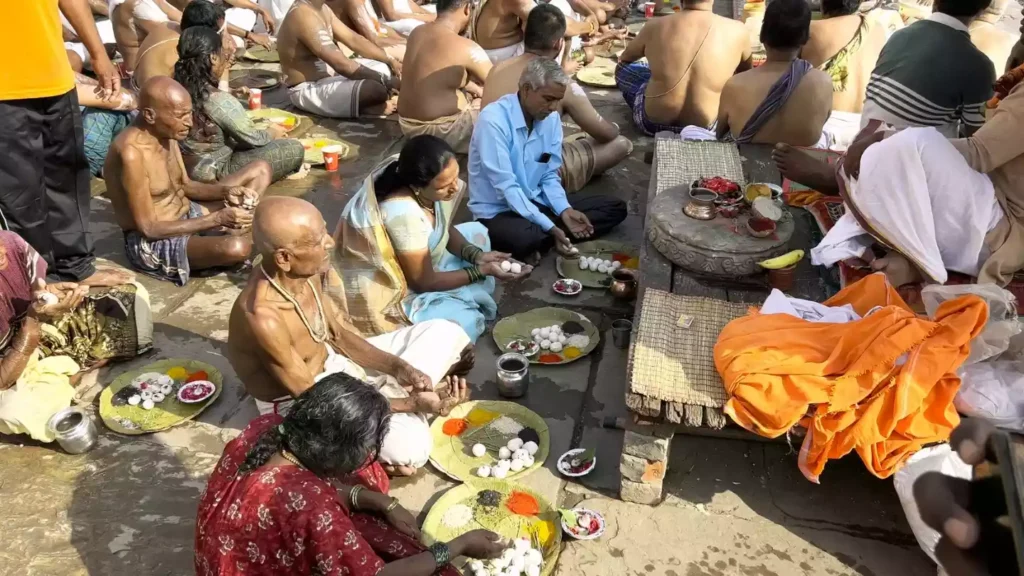
Image of a group doing pind daan rituals- An Interplay of Astronomy

An Interplay of Astronomy, Rituals, and Beliefs: Pitru Paksha

The intersection of astronomy, rituals, and belief systems is fascinating, particularly when examining Hindu festivals and observances. One such event is PitruPaksha, a 16-day period dedicated to paying homage to departed ancestors. This article aims to explore PitruPaksha from an astronomical perspective, focusing on the celestial elements that play a key role in determining its occurrence and significance.

Image of a group doing pind daan rituals- An Interplay of Astronomy

Pitru paksha

Pitrupaksha, also known as Shraddha Paksha, is a significant 16-lunar day period in the Hindu calendar dedicated to paying homage to one’s ancestors (Pitris). The term “Pitrupaksha” translates from Sanskrit to “fortnight of the paternal ancestors.” This period typically falls in the Bhadrapada month of the Hindu lunar calendar, which usually corresponds to September or October in the Gregorian calendar. In 2024, for example, Pitrupaksha was observed from September 17th to October 2nd.

The core significance of Pitrupaksha lies in the belief that the souls of one’s deceased ancestors, particularly the three preceding generations, descend to Earth during this time. It is considered a crucial period for descendants to express their gratitude, remember their forebears, and perform rituals to ensure their ancestors’ peace and smooth transition in the afterlife. Hindus believe that performing these rites, known as Shraddha or Tarpan, can help alleviate any “Pitru Dosha” (ancestral debt or afflictions) which might be causing obstacles in the lives of the living. Satisfied ancestors are believed to bestow blessings of health, wealth, knowledge, longevity, and even salvation (moksha) upon their descendants.

During Pitrupaksha, several rituals and practices are observed with devotion and purity. The eldest son typically performs these rites. Key rituals include:

  • Tarpan: This involves offering water mixed with black sesame seeds, barley, and kusha grass to the ancestors while chanting specific mantras. This is done to quench the thirst of the departed souls.
  • Pinda Daan: This is the offering of Pindas (cooked rice balls mixed with sesame seeds, barley flour, ghee, and honey) to the ancestors, symbolizing nourishment for their souls.
  • Shraddha Ceremony: This is a comprehensive ritual performed on the specific lunar day (tithi) corresponding to the ancestor’s death. It involves inviting Brahmins (priests), offering them specially prepared Sattvik (pure vegetarian) food, clothes, and dakshina (offerings of money). The food offered to Brahmins is believed to reach the ancestors.
  • Feeding Animals: It is also customary to feed animals like cows, dogs, and crows during this period, as crows are often considered messengers of the ancestors.
  • Charity (Daan): Donating food, clothes, and other essentials to the needy in the name of ancestors is considered highly meritorious.

Culturally, Pitrupaksha is a time for introspection, family bonding, and reinforcing lineage ties. Families come together to remember their ancestors, share stories, and honor their memories. Many Hindus avoid auspicious activities like weddings or starting new ventures during this period, focusing instead on spiritual practices and acts of remembrance.

The Lunar Connection

PitruPaksha begins immediately after the full moon day (Purnima) that occurs following the festival of Ganesha Chaturthi. The period extends until the new moon day (Amavasya), known as Sarvapitri Amavasya, which is considered the most significant day for performing ancestral rites.

The Hindu calendar is primarily lunar, with each month divided into two fortnights based on the moon’s phases. PitruPaksha occurs during the dark fortnight or Krishna Paksha, when the moon wanes, symbolizing a time of letting go and introspection. This phase provides a fitting backdrop for remembering and paying tribute to the departed.

Astronomy and Ritual Timing

The timing of PitruPaksha rituals is intricately linked with the sun’s position. The rites are typically performed when the sun is at its highest, believed to aid in directing the offerings to the ancestors. Similarly, the water-ritual Tarpan is carried out during specific astrological periods known as ‘Kaal.

The Zodiac Connection

In Hindu astrology, the zodiac is divided into 27 Nakshatras or lunar mansions. The beginning of PitruPaksha is marked when the Sun enters the Virgo sign, and the moon aligns with the Poorvabhadrapada Nakshatra, believed to be governed by ‘Pitris’ or the spirits of the ancestors.

PitruPaksha and Eclipses

Interestingly, if a lunar or solar eclipse occurs during PitruPaksha, it’s considered particularly auspicious for performing Shraddha rituals. The eclipses, representing a unique astronomical phenomenon, are believed to enhance the spiritual energy of the rites, enabling a more profound connection with the departed.

Conclusion

The observance of PitruPaksha illuminates the intricate interplay of astronomy, rituals, and beliefs in Hindu tradition. These celestial alignments and occurrences don’t merely dictate the timing of the rituals; they deepen the symbolic significance of the observance, weaving a cosmic narrative around the spiritual practices.

As we continue our exploration of Hindu traditions and their astronomical underpinnings, we invite you to join us on this enlightening journey. Stay tuned for more insightful explorations into the depth and diversity of Hindu culture and philosophy.

Considering a rite for your own family?

Tell us what your family needs and a coordinator will contact you personally. No online payment is requested.

Send an enquiry
More from the blog

Continue reading

7 min · Pitrupaksha

Feel the Divine Buzz: The Unique Spiritual Atmosphere at Tirthas During Pitrupaksha

This guide delves into the unique spiritual atmosphere at Tirthas during Pitrupaksha, explaining it as a tangible "divine buzz." This energy arises from a great cosmic event: the annual homecoming of ancestors from the Pitra Loka, who draw close to their descendants. The air at holy sites like Kashi and Gaya becomes thick with their subtle presence and the collective devotion of millions. This atmosphere is a symphony for the senses—filled with the sights of unwavering faith, the constant sound of sacred mantras, and the holy fragrances of ghee lamps and incense. For a pilgrim, this creates a profound internal experience of connection, emotional release, and heightened spiritual sensitivity, making it a sacred and transformative time for ancestral rites.

6 min · Pitrupaksha

Pitrupaksha pilgrimage planning: Essential Travel Tips for Visiting Sacred Sites

This guide provides essential tips for Pitrupaksha pilgrimage planning, a sacred journey to honor ancestors. It emphasizes setting a pure intention (Sankalpa) as the first step, followed by choosing a potent destination like Gaya, Prayag, or Kashi. The core of the guide focuses on the "Pilgrim's Code," detailing preparations that begin before travel, such as cultivating a sattvic mind and practicing moderation. It advises on proper conduct at the Tirtha, including the importance of the holy bath (snan), charity (daan), and seeking local priestly guidance. For those unable to travel, it validates the power of a mental pilgrimage (Manasika Tirthayatra) and the option of having rites performed by reputable services.

7 min · Pind daan

Why are Rivers Sacred for Pitrupaksha? Unlocking the Power of Ganga, Yamuna, and More

This guide explores why rivers sacred for Pitrupaksha are central to Hindu ancestral rites. In Sanatana Dharma, rivers like the Ganga, Yamuna, and Narmada are revered as living goddesses and powerful purifiers. Performing Shraddha on their banks is exceptionally potent because a holy dip (snan) cleanses the performer, making offerings more powerful. Offering Tarpan in their waters is a direct libation of grace to the ancestors, while immersing the Pindas symbolizes their final, liberating journey. Confluences (sangams), like the Triveni Sangam at Prayagraj, are spiritual powerhouses that amplify the blessings of these rituals, ensuring everlasting satisfaction for the ancestors and immense merit for the descendant.