What Happens to Ancestors if Shraddha Is not Performed?
Ever wondered about the impact on our ancestors if Shraddha Is Not Performed? Hindu scriptures paint a vivid picture: these sacred rites are vital sustenance for departed souls (Pitrus) in Pitru Loka. Offerings of food (Pinda) and water (Tarpan) are believed to provide subtle nourishment, alleviating their hunger and thirst. Without this, ancestors may suffer, becoming restless and dissatisfied (Atripti). This isn't just about discomfort; their spiritual progress can be hindered, making it difficult to move to higher realms or secure a favorable rebirth. In some cases, neglect can even trap souls in a suffering 'Preta' (ghostly) state. The consequences if Shraddha Is Not Performed extend to the living. The dissatisfaction of neglected ancestors is believed to create Pitra Dosha – an energetic imbalance that can manifest as unexplained obstacles in health, career, and family harmony for their descendants. It’s like weakened roots unable to nourish the tree. However, it’s never too late. If you realize these duties have been overlooked, sincere offerings, especially during Pitrupaksha or at holy Tirthas, can bring immense relief to ancestors and blessings to you. Understanding this underscores Shraddha not as a fear-based ritual, but an act of profound love, duty, and mutual well-being, crucial for both the departed and the living. Knowing the potential distress of ancestors and the obstacles it might create for descendants if Shraddha is neglected, how does this motivate you to ensure these sacred duties are fulfilled?
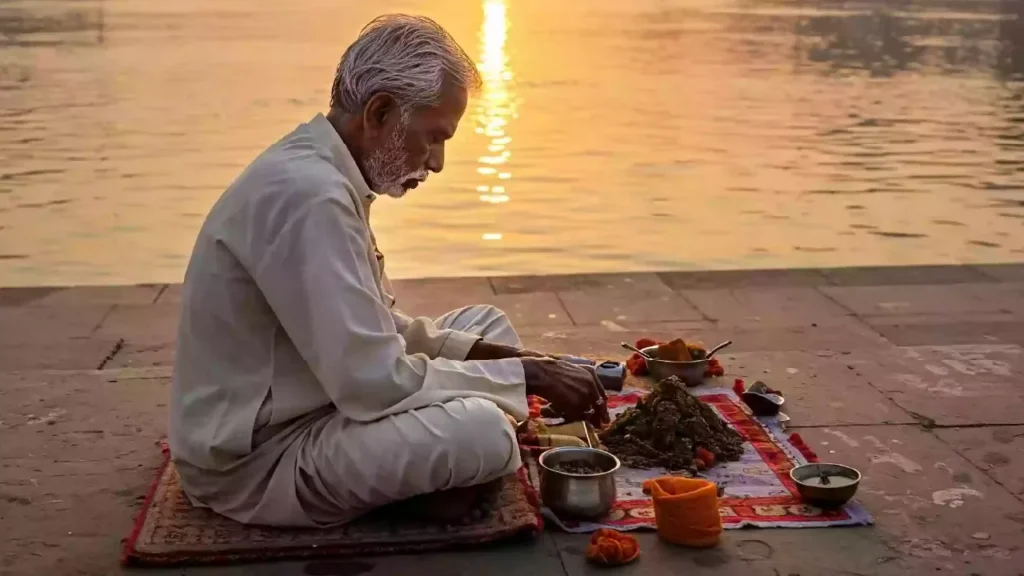
ॐ श्री यमाय धर्मराजाय नमः | ॐ पितृदेवताभ्यो नमः |
What fate befalls our beloved ancestors, our Pitrus, if the sacred rites of Shraddha are not performed for them? It is a weighty question indeed, touching upon the very fabric of karmic consequence and the subtle bonds that connect the living and the departed.
What Happens to Ancestors if Shraddha Is not Performed?
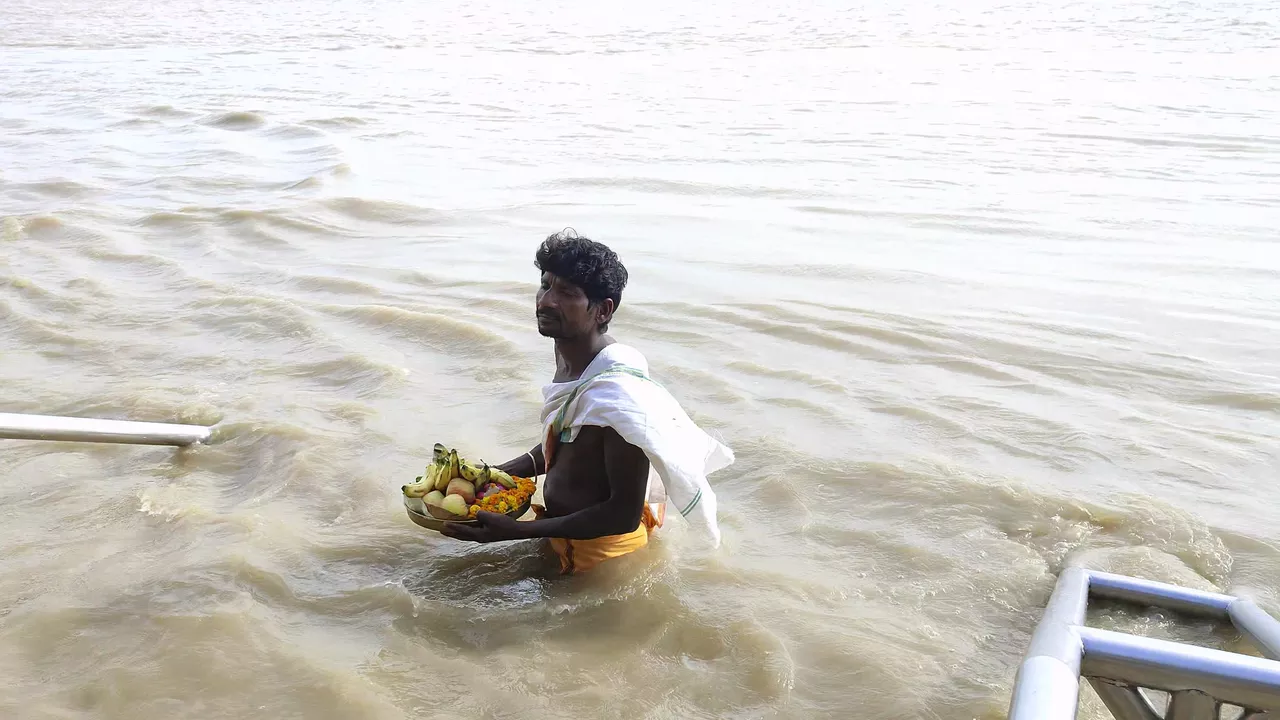
Recalling the Purpose: Why Shraddha is Vital Sustenance
Before understanding the consequences of neglect, let us briefly revisit why Shraddha is performed. As we’ve discussed, Shraddha, derived from ‘Shraddha’ (faith), is the offering made with deep faith and devotion. Its purposes include:
- Providing Sustenance (Tripti – तृप्ति): Offerings of food (Pinda) and water (Tarpan) are believed to provide subtle nourishment and energy (ojas) to the Pitrus residing in Pitru Loka or other subtle realms, alleviating their hunger and thirst (kshut-pipāsā nivṛtti).
- Granting Peace and Satisfaction: Satisfied ancestors feel peace and contentment, which aids their onward journey.
- Fulfilling Pitru Rina: It is the primary means of honouring the sacred debt (Pitru Rina) owed to those who gave us life.
- Securing Blessings: Pleased ancestors bestow blessings (Pitru Kripa) upon their descendants.
- Aiding Spiritual Progress: The rites help the departed souls detach from earthly bonds and potentially move towards higher realms, a better rebirth, or even Moksha (liberation).
Shraddha is, therefore, not merely a memorial service; it is considered an essential act of spiritual sustenance and karmic duty.
The State of the Departed Soul (Pitru)
According to Hindu cosmology, after death, the soul (Jivatma) discards the gross physical body (sthula sharira) but continues its existence in subtle bodies (sukshma and karana shariras). These subtle bodies carry the consciousness, memories, and karmic imprints (samskaras).
- Pitru Loka: Many souls, based on their karma, reside for a time in Pitru Loka, the realm of ancestors, governed by Lord Yama.
- Subtle Needs: Souls in this state are believed to experience subtle forms of hunger, thirst, and other needs. They are also affected by emotions like satisfaction, dissatisfaction, peace, or restlessness.
- Dependence: Crucially, tradition holds that Pitrus in Pitru Loka are largely dependent on the offerings made by their living descendants through Shraddha and Tarpan for their sustenance and well-being. Imagine them, Vatsa, as spiritual beings sustained not by physical food, but by the subtle essence (sara) conveyed through these sacred offerings infused with the descendant’s love and mantras.
Consequences for Ancestors When Shraddha is not performed
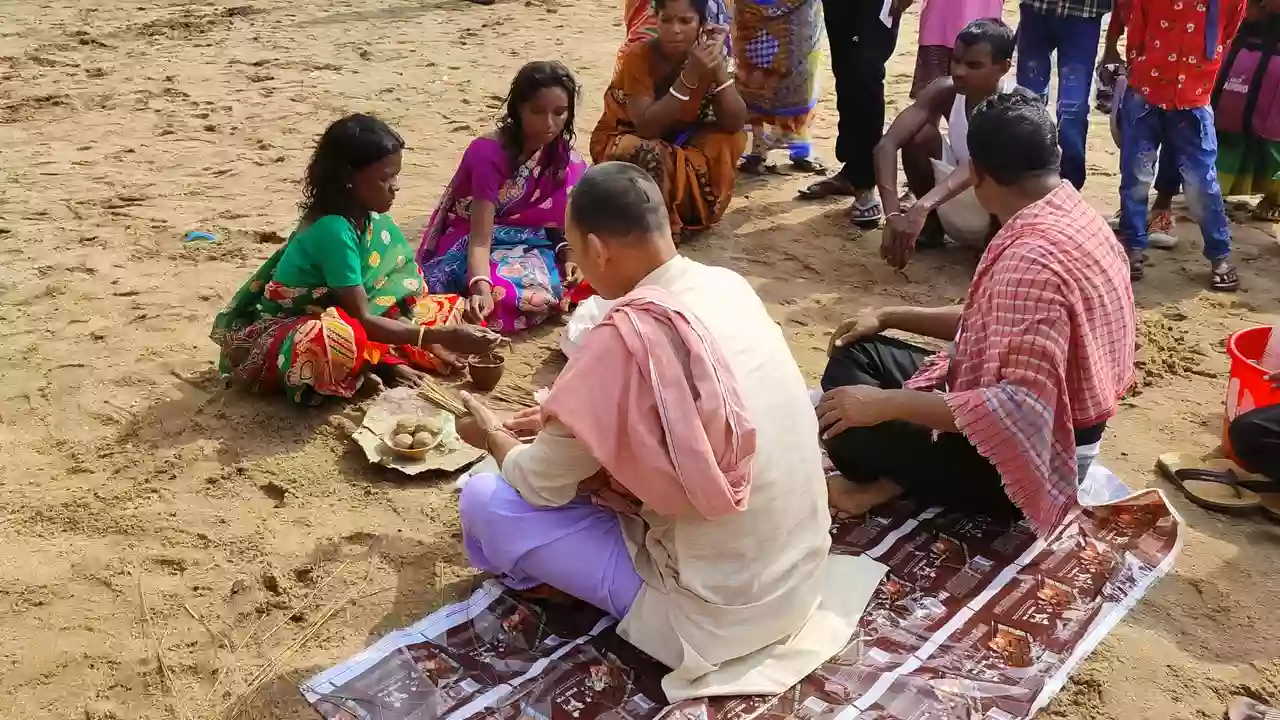
Given this dependence, the failure to perform Shraddha is believed to have direct, significant consequences for the departed ancestors:
- Suffering from Hunger and Thirst (क्षुत्-पिपासा – Kṣut-Pipāsā):
- This is the most commonly cited consequence. Without the nourishing essence of Pinda Daan and the quenching relief of Tarpan, the ancestors are believed to suffer from perpetual subtle hunger and thirst in Pitru Loka.
- Scriptures like the Garuda Purana contain passages describing the plight of such neglected souls, yearning for the offerings that never arrive. Imagine the discomfort, the constant lack, the inability to find solace.
- Restlessness and Dissatisfaction (अतृप्ति – Atṛpti):
- Unfed and unremembered, the Pitrus remain dissatisfied (atṛpta). This dissatisfaction prevents them from finding peace. They may feel forgotten, neglected, and unable to settle in their subtle realm.
- This restlessness can bind them more strongly to their past life and attachments, hindering their spiritual progress.
- Hindered Spiritual Progress (गतिरोध – Gatirodha):
- The peace and energy derived from Shraddha offerings are believed to aid the soul’s journey. Without this support, the ancestors may find it difficult to:
- Move towards higher spiritual realms.
- Attain liberation (Moksha) if their karma permits.
- Secure a favourable rebirth.
- They might remain stuck in Pitru Loka for longer than necessary or, in worse cases, be unable to even reach Pitru Loka properly.
- The peace and energy derived from Shraddha offerings are believed to aid the soul’s journey. Without this support, the ancestors may find it difficult to:
- Potential for Remaining in ‘Preta’ State (प्रेत योनि – Preta Yoni):
- A Preta is often understood as a ‘ghost’ or a ‘lingering spirit’ – a soul trapped between realms, often due to unnatural death, strong unfulfilled desires, or crucially, the lack of proper funeral rites (Antyeshti) and subsequent Shraddha.
- While not all neglected ancestors become Pretas, the lack of Shraddha can prevent a soul that died under difficult circumstances from transitioning fully to the Pitru state, leaving them in a restless, suffering Preta condition. Even regular Pitrus, if consistently neglected over long periods, might regress or remain bound in states akin to suffering Pretas due to profound dissatisfaction.
- Weakening and Potential Fall (अधोगति – Adhogati):
- Some traditions suggest that severely neglected and weakened Pitrus, devoid of sustenance and positive energy from descendants, may eventually lose their place even in Pitru Loka and potentially ‘fall’ into lower, more suffering-prone realms (durgati) or births. This represents a significant setback in the soul’s evolutionary journey.
- Lingering Earthly Attachments:
- Shraddha rites help the departed soul understand that their earthly life is over and encourage detachment. Without these regular reminders and the satisfaction they bring, ancestors might remain overly focused on their descendants and worldly affairs, which causes suffering for them and can subtly interfere with the lives of the living.
In essence, the traditional view is that neglecting Shraddha leaves the ancestors in a state of deprivation, discomfort, and spiritual stagnation, hindering their peace and progress in the afterlife.
The Link to Pitra Dosha: Consequences Extend to Descendants
The dissatisfaction and suffering of neglected ancestors are believed to directly impact the living descendants through what is known as Pitra Dosha (पितृ दोष).
- Energetic Imbalance: The unhappiness of the Pitrus creates an imbalance in the family’s collective energy field. Their subtle sighs of dissatisfaction, their unmet needs, ripple outwards.
- Blockages and Obstacles: This imbalance can manifest as unexplained obstacles in the descendants’ lives – difficulties in career, finances, health, relationships, progeny, or general peace of mind. It’s as if the weakened roots cannot properly nourish the tree.
- Karmic Repercussion: Neglecting a fundamental Dharma like Pitru Seva (service to ancestors) also carries its own karmic weight for the descendant.
Therefore, performing Shraddha is seen not just as an act of compassion for the ancestors, but also as essential for the well-being and smooth progress of the living family members.
Important Considerations and Mitigating Factors
While the scriptures paint a clear picture of the consequences, it’s important to approach this with balance and understanding:
- Ancestor’s Own Karma: The primary determinant of a soul’s state after death is its own karma accumulated during life. Shraddha is crucial support, but it cannot entirely override severe negative karma, nor is it strictly necessary for souls who attained liberation or high spiritual states through their own merit.
- Sincerity over Elaborateness: Even simple offerings made with genuine love, faith (shraddha), and gratitude (bhava) are believed to reach the ancestors. A heartfelt prayer, a simple water offering, or donating food in their name can have immense value if elaborate rituals are not possible.
- Unintentional Neglect: There’s a difference between willfully disregarding one’s duty and being unable to perform Shraddha due to genuine ignorance, extreme poverty, or unavoidable circumstances. While consequences might still arise from the lack of offerings, the karmic burden on the descendant may differ.
- Universal Offerings: Rituals performed on Mahalaya Amavasya (Sarva Pitru Amavasya) often include prayers and offerings for all ancestors, including those forgotten or neglected. Similarly, offerings made at holy Tirthas (like Gaya, Prayag, Kashi, Rameshwaram, Badrinath) are considered exceptionally potent and beneficial even for long-neglected ancestors.
- Divine Grace: Ultimately, the journey of every soul is overseen by the Divine (represented by Yama, Vishnu, etc.). Justice and compassion are inherent principles. While Dharma requires us to perform Shraddha, divine grace can also play a role in the ancestors’ fate.
What Can Be Done If Shraddha Has Been Neglected?
What Happens to Ancestors if Shraddha Is not Performed?
If one realizes that ancestral rites have been neglected in their family, it is never too late to start:
- Perform Shraddha Sincerely: Begin performing Shraddha rituals during Pitrupaksha, especially on Mahalaya Amavasya, and if possible, on the specific Tithi of the ancestors’ death.
- Offer Tarpan Regularly: Incorporate simple daily or frequent Tarpan into one’s routine.
- Visit Holy Places (Tirtha Shraddha): If feasible, perform Shraddha at a designated holy place (Tirtha Kshetra), which is considered highly effective for alleviating the suffering of ancestors, even those neglected for generations.
- Engage in Charity (Daan): Regularly donate food, clothing, or money to the needy, Brahmins, or temples in the name of the ancestors. Anna Daan (food donation) is particularly emphasized.
- Chant Mantras: Regularly chanting specific mantras dedicated to ancestors or deities like Vishnu or Yama can also send positive energy.
- Seek Guidance: Consult a knowledgeable and sincere Pandit for guidance on the appropriate procedures based on family tradition and capability.
Conclusion: An Act of Love, Duty, and Mutual Well-being
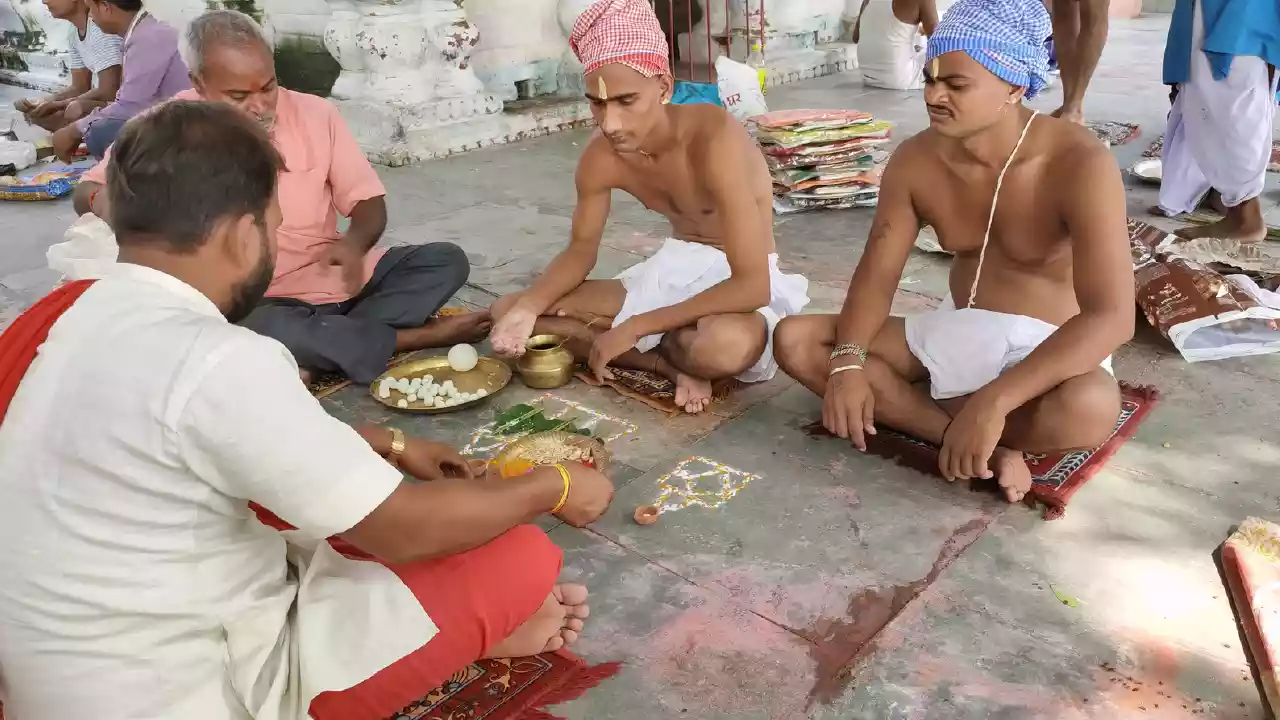
In conclusion, the traditional Hindu perspective holds that neglecting Shraddha leaves ancestors in a state of suffering – hungry, thirsty, restless, and hindered in their spiritual journey. This dissatisfaction, in turn, can create obstacles for the living descendants through Pitra Dosha.
However, the emphasis should not be solely on fear of consequences, but on the positive act of fulfilling a sacred duty out of love, gratitude, and compassion. Shraddha is a bridge of light connecting generations, an act that brings peace and sustenance to the departed and blessings and harmony to the living. It is a vital thread in the intricate web of Dharma that sustains individuals, families, and the cosmos itself.
By understanding the potential plight of neglected ancestors, may our resolve to honour them through these sacred rites be strengthened, ensuring peace for them and prosperity for ourselves.
ॐ शांतिः शांतिः शांतिः |
Considering a rite for your own family?
Tell us what your family needs and a coordinator will contact you personally. No online payment is requested.
Send an enquiry