Short on Time? How to Perform a Quick & Meaningful Daily Tarpan
Feeling the pull to honor ancestors daily but overwhelmed by time constraints? Discover that a quick yet profound Simplified daily Tarpan is not only possible but deeply encouraged by Dharma. But how can a ritual condensed into just a few minutes truly offer satisfaction (tṛpti) to Devas, Rishis, and crucially, your Pitṛs according to Puranic guidelines? This guide breaks down the essential principles from texts like the Brahma and Skanda Puranas into a manageable routine. Learn the minimal preparations needed – focusing on purity and intention – and follow a clear, step-by-step procedure you can perform in under five minutes, covering offerings to all three categories. What are the core elements you absolutely must include, especially facing South and using sesame seeds for your ancestors? How do simple mantras and focused reverence compensate for brevity? Explore how consistency transforms this small act into a powerful source of accumulated merit (puṇya), continuous blessings, and a strengthened connection to your lineage. Don't let a busy schedule break this sacred bond. Read the full post to master this efficient practice and integrate meaningful ancestral remembrance seamlessly into your everyday life.
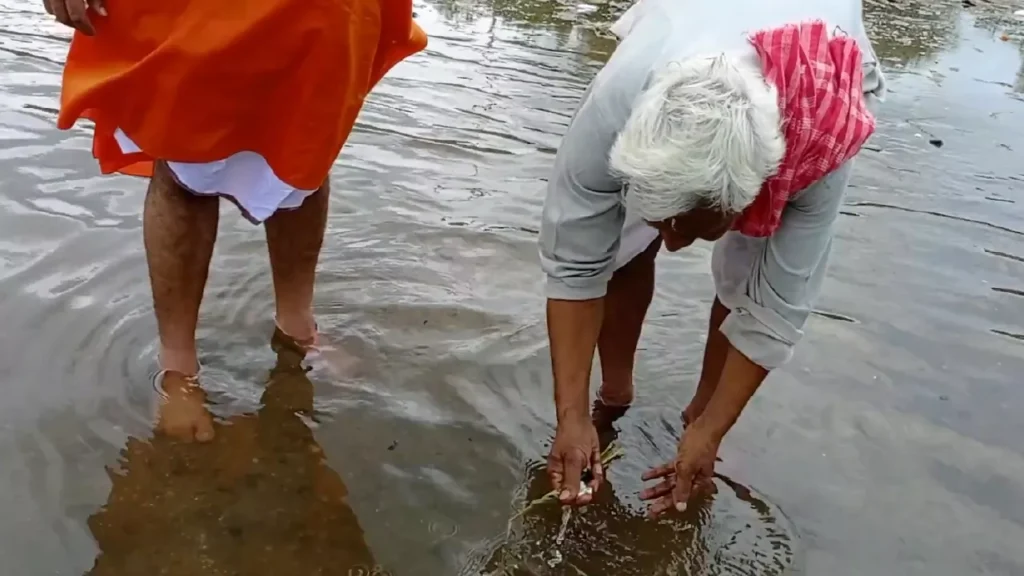
Namaste,
A practice that is both meaningful and manageable within a busy schedule, is deeply commendable. It reflects true Shradh(faith) and a desire to stay connected to one’s roots.
Fear not, for our vast and compassionate Sanatana Dharma understands the ebb and flow of life. While elaborate rituals described in texts like the Brahma Purana or Garuda Purana hold immense significance, the essence of Tarpan can indeed be captured in a concise daily practice. The core principles remain the same: purity (śuddhi), intention (saṅkalpa), offering (arpana), and heartfelt reverence (bhakti). Even a small act performed consistently with devotion carries great weight, as the Skanda Purana assures us that even minor works done with divine recollection bear fruit.
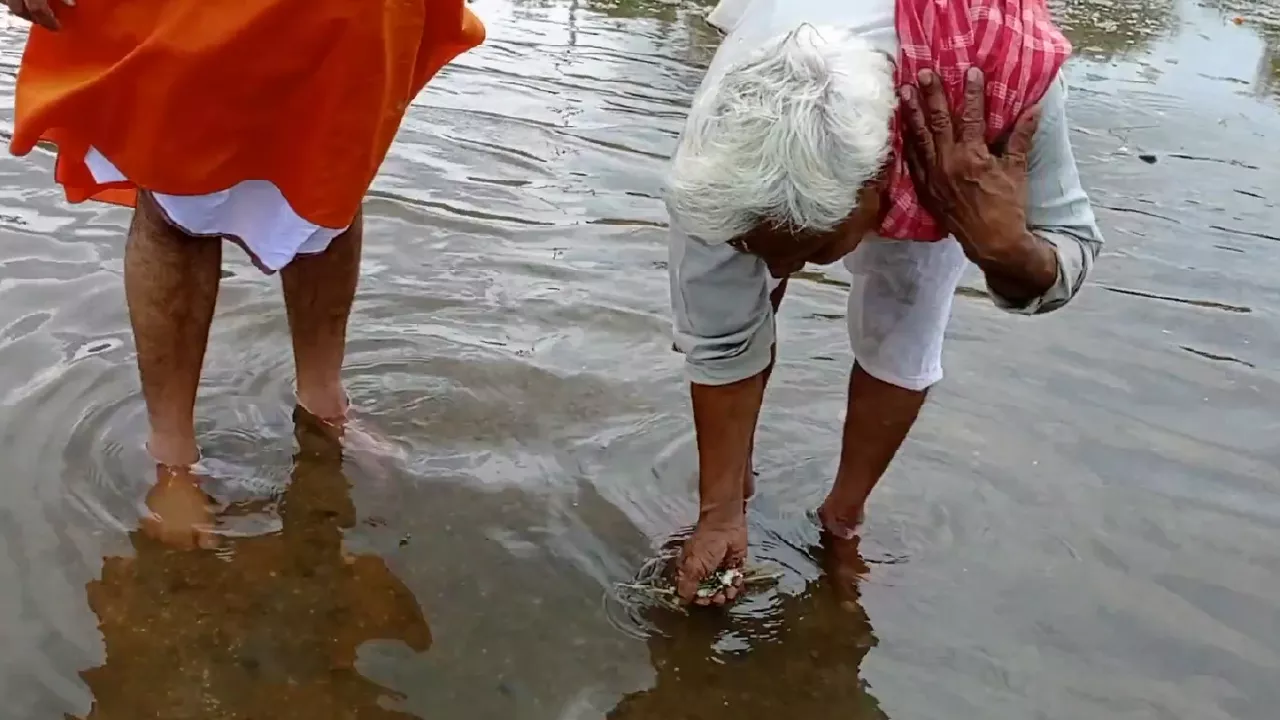
Short on Time? How to Perform a Quick & Meaningful Simplified Daily Tarpan
The key to a meaningful Simplified daily Tarpan is to focus on the core elements and infuse them with sincere feeling, rather than getting lost in elaborate procedures that time doesn’t permit.
Why Perform Daily Tarpan, Even Briefly?
Before outlining the ‘how’, let’s remember the ‘why’. Daily remembrance, even if brief:
- Maintains Connection: It keeps the subtle energetic link with your ancestors active and strong.
- Accumulates Merit: Consistent practice, however small, builds positive spiritual merit (puṇya) over time.
- Fosters Gratitude: It serves as a daily reminder of your lineage and cultivates a spirit of gratitude.
- Invokes Blessings: Regular offerings invite continuous blessings for protection, peace, and well-being from satisfied ancestors (Pitṛs), Devas, and Rishis.
- Spiritual Discipline: It instills a sense of discipline (niyama) and incorporates a sacred pause into your daily routine.
Setting the Stage: Minimal Preparation for Daily Tarpan
For a Simplified daily Tarpan, keep preparations minimal yet mindful:
- Basic Purity (Śuddhi): Ideally, perform this after your morning bath. If time is extremely short, at the very least, wash your hands, feet, and face thoroughly. Rinse your mouth (ācamana). The Agni Purana mentions purification rites like ācamana before rituals. Wear clean clothes.
- Clean Space: Choose a fixed, clean spot. This could be near your home altar (pūjā sthāna) or any undisturbed corner facing the appropriate direction. The Brahma Purana highlights the importance of offering on a “pure spot.
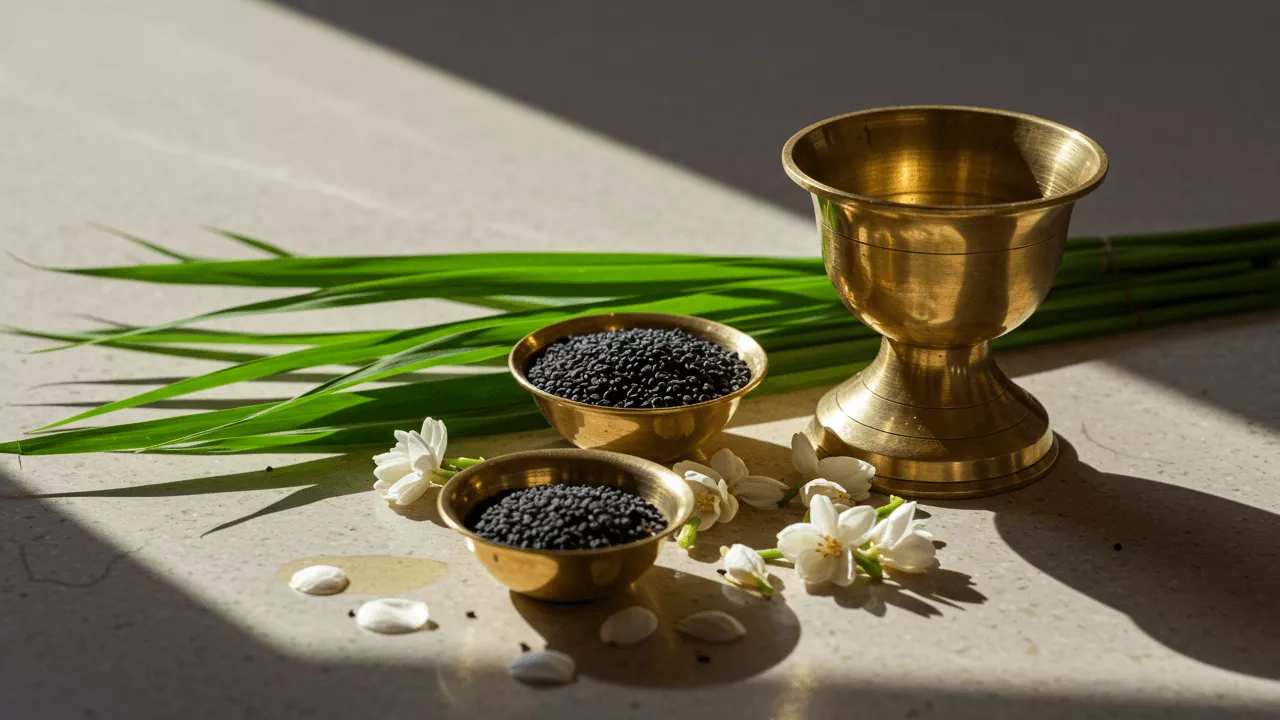
- Dedicated Vessel: Keep a small, clean vessel (copper, brass, or steel tumbler/lota) filled with fresh water exclusively for Tarpan. This saves time daily.
- Optional (but Recommended) Materials:
- Black Sesame Seeds (Kala Til): Keep a tiny container with black sesame seeds handy. As the Brahma Purana and Linga Purana stress their importance for Pitṛs, adding just a few seeds to the water for the ancestor offering adds significant value with minimal extra time.
- Kusha Grass (Darbha): A single blade of Kusha grass can be kept with your Tarpan materials. You can touch the water with it or hold it briefly, symbolizing purity (Agni Purana mentions sprinkling with Kusha). Not strictly essential for the quickest version, but beneficial if manageable.
The Quick Tarpan Procedure: A Step-by-Step Guide
This streamlined process focuses on acknowledging the three main groups: Devas, Rishis, and Pitṛs. Remember to perform this with focused attention, even if brief.
(Total Estimated Time: 2-5 minutes)
Step 1: Assume Position & Brief Invocation (15-30 seconds)
- Sit comfortably (cross-legged or on a small stool/mat) facing East or North initially.
- Close your eyes for a moment. Take a deep breath. Mentally invoke the presence of the Devas, Rishis, and Pitṛs. A simple thought like, “I offer this Tarpan for the satisfaction of the Devas, Rishis, and my Ancestors,” serves as your Sankalpa.
Step 2: Offering to Devas (Gods) (30-45 seconds)
- Position: Remain facing East or North. If you wear a Yajnopavita (sacred thread), ensure it’s in the normal Upavīta position (over left shoulder).
- Offering: Take a small amount of water into your cupped right hand. (Optional: Add a flower petal if readily available – Agni Purana mentions flower worship).
- Release: Gently pour the water forward from your fingertips (Deva Tīrtha) onto your receiving plate or clean ground spot.
- Mantra (Simple): Mentally or softly chant: “Om Sarvebhyo Devebhyo Namaḥ, Tṛpyantu” (ॐ सर्वेभ्यो देवेभ्यो नमः, तृप्यन्तु – Salutations to all Devas, may they be pleased) OR simply “Devāḥ Tṛpyantām” (देवाः तृप्यन्ताम्).
- (Perform this offering once for the simplified version).
Step 3: Offering to Rishis (Sages) (30-45 seconds)
- Position: Remain facing East or North. If wearing Yajnopavita, shift it to the Nivīta position (like a garland around the neck).
- Offering: Take a small amount of water into your cupped right hand. (Optional: Touch it with Kusha grass).
- Release: Gently pour the water forward/sideways from the base of the palm or little finger (Rishi Tīrtha / Kaya Tīrtha).
- Mantra (Simple): Mentally or softly chant: “Om Sarvebhyo Ṛṣibhyo Namaḥ, Tṛpyantu” (ॐ सर्वेभ्यो ऋषिभ्यो नमः, तृप्यन्तु – Salutations to all Rishis, may they be pleased) OR simply “Ṛṣayaḥ Tṛpyantām” (ऋषयः तृप्यन्ताम्).
- (Perform this offering once for the simplified version).
Step 4: Offering to Pitṛs (Ancestors) (1 – 2 minutes)
This is the core part, give it slightly more focus.
- Position: Turn to face South. If wearing Yajnopavīta, shift it to the Prācīnāvīta position (over right shoulder, under left arm).
- Offering: Take water into your cupped right hand. Add a few black sesame seeds (Til) if using. Join your left hand loosely to support the right (as Brahma Purana advises using both hands for manes in Shraddha context).
- Release: Slowly and respectfully pour the water out from the space between the thumb and index finger of the right hand (Pitṛ Tīrtha). Ensure it flows downwards onto the receiving surface.
- Mantra (Simple Options – Choose one):
- General: “Om Sarvebhyo Pitṛbhyo Namaḥ, Swadhā, Tṛpyantu” (ॐ सर्वेभ्यो पितृभ्यो नमः, स्वधा, तृप्यन्तु – Salutations to all Ancestors, Swadha, may they be pleased). Repeat this simple offering three times.
- Specific (Slightly Longer): If time allows, briefly invoke your immediate line: “Om [Father’s Name] Gotrāya Pitre Namaḥ Swadhā” (Offer once), “Om [Grandfather’s Name] Gotrāya Pitāmahāya Namaḥ Swadhā” (Offer once), “Om [Great-Grandfather’s Name] Gotrāya Prapitāmahāya Namaḥ Swadhā” (Offer once). Then do the same for the maternal line if desired: “Om [Maternal Grandfather’s Name] Gotrāya Mātāmahāya Namaḥ Swadhā” etc. (Offer once each). Conclude with the general mantra (“Om Sarvebhyo…”) offered once or thrice. This specific naming adds more time, so adapt based on your limit.
- Simplest: Just chant “Pitaraḥ Tṛpyantām” (पितरः तृप्यन्ताम्) or simply “Swadhā” (स्वधा) three times as you offer the water+til three times.
- (Offering three times to the Pitṛs, even briefly, is highly recommended as per Puranic tradition (Varaha/Skanda), but if absolutely impossible, one heartfelt offering is better than none).
Step 5: Concluding Prayer (15-30 seconds)
- Remain facing South for a moment. With folded hands (praṇām mudrā), offer a silent prayer asking for peace for your ancestors and blessings for your family. Ask forgiveness for any shortcomings in your brief offering.
- (Optional: Shift Yajñopavīta back to Upavīta mode).
Step 6: Final Actions
- Respectfully handle the offered water (if collected on a plate) by pouring it at the base of a plant or clean earth later when convenient.
- Wash your hands.
Maximizing the Impact of Your Simplified Daily Tarpan
- Consistency Over Complexity: Performing this simple rite daily with focus is more beneficial than performing an elaborate one sporadically with distraction.
- Mental Focus: Even if the actions are brief, keep your mind fully present. Visualize your ancestors receiving the offering with peace. Feel genuine gratitude.
- Morning Calm: Try to perform it during the calm morning hours, ideally after bathing, to set a positive tone for the day.
- Augment When Possible: On weekends, holidays, Amavasya, or during Pitrupaksha, if you have more time, you can perform a slightly more detailed Tarpan, perhaps offering three times to each category or naming more ancestors.
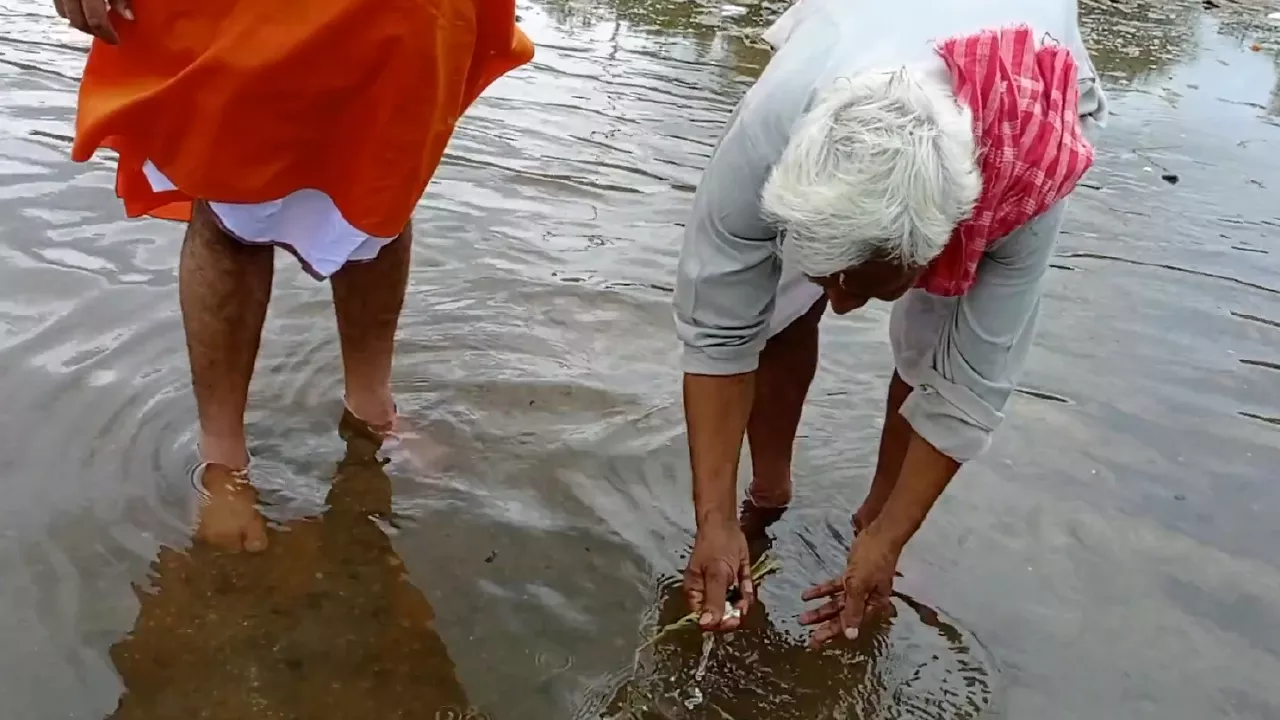
Conclusion: A Small Act with Great Significance
Do not underestimate the power of this Simplified daily Tarpan. Our Puranas, like the Brahma Purana and Agni Purana, emphasize the importance of regular worship and remembrance. Though brief, this daily practice fulfills the core essence of Tarpan – acknowledging the Devas, honouring the wisdom of the Rishis, and most importantly, nourishing and remembering our beloved Pitṛs using the prescribed elements like water and sesame seeds (Brahma Purana, Skanda Purana).
It is a testament to your devotion that you seek to integrate this sacred duty into your life despite constraints. Perform it with sincerity, focus, and love. This simple act, done consistently, will surely foster a strong connection with your lineage, mitigate subtle obstacles, and invite continuous blessings and peace into your life, aligning you with the profound rhythms of Dharma.
May your daily offering, however brief, bring immense satisfaction to your ancestors and boundless grace upon you.
|| कल्याणमस्तु ||
Considering a rite for your own family?
Tell us what your family needs and a coordinator will contact you personally. No online payment is requested.
Send an enquiry