Why Honor Ancestors? Unveiling the Scriptural Benefits of Pitrupaksha Observances
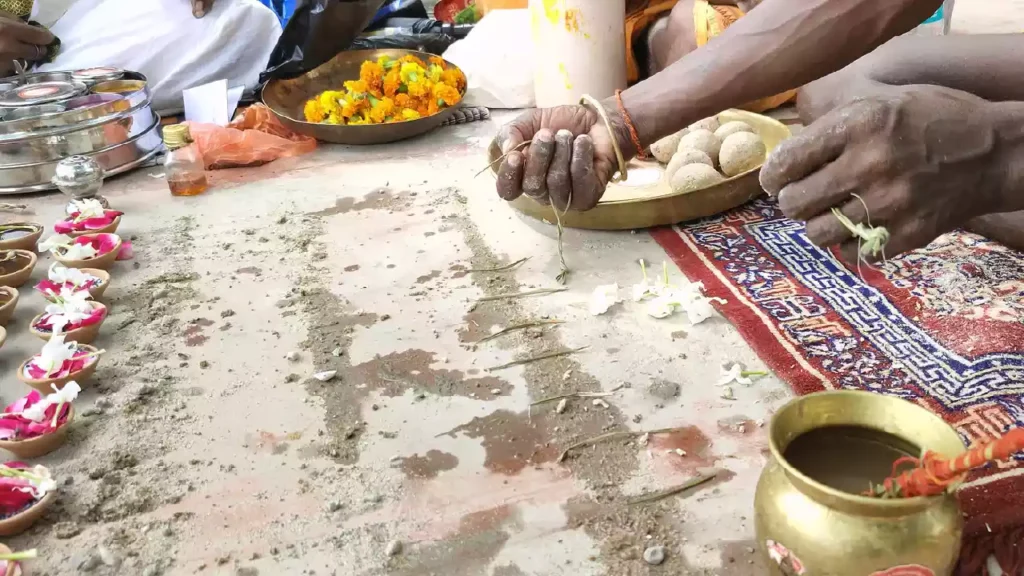
Ever wondered Why Honor Ancestors with such dedication during Pitrupaksha? Our sacred scriptures, like the Puranas and Dharma Shastras, reveal a profound truth: these observances are not just duties but gateways to immense blessings for both the departed and the living. When you perform Shraddha and Tarpan with faith, you provide Tripti (deep satisfaction) to your ancestors, alleviating their hunger and thirst in Pitru Loka. This vital nourishment aids their onward spiritual journey, potentially liberating them from suffering and helping them attain higher realms or a favorable rebirth. Your acts of love become their spiritual sustenance. But the rewards flow generously to you too! The most cherished benefit is Pitru Kripa (Ancestral Grace). Satisfied ancestors bestow powerful blessings: they help remove life's obstacles and resolve Pitra Dosha (ancestral afflictions), paving the way for success. They bless you with health, longevity, prosperity, and harmonious family life. For those seeking progeny, their blessings are invaluable. Understanding Why Honor Ancestors from a scriptural view shows that these rituals are a divine transaction of love and energy, generating positive karma (Punya) for you, bringing inner peace, and strengthening your connection to a powerful lineage of support. It’s a sacred opportunity for profound mutual upliftment. Knowing that the scriptures promise such tangible and spiritual benefits from honoring ancestors, how does this deepen your motivation to participate sincerely in Pitrupaksha?
ॐ श्री परमात्मने नमः | ॐ पितृदेवताभ्यो नमः |
Why Honor Ancestors? Unveiling the Scriptural Benefits of Pitrupaksha Observances
The Foundation: Action (Karma) and Result (Phala)
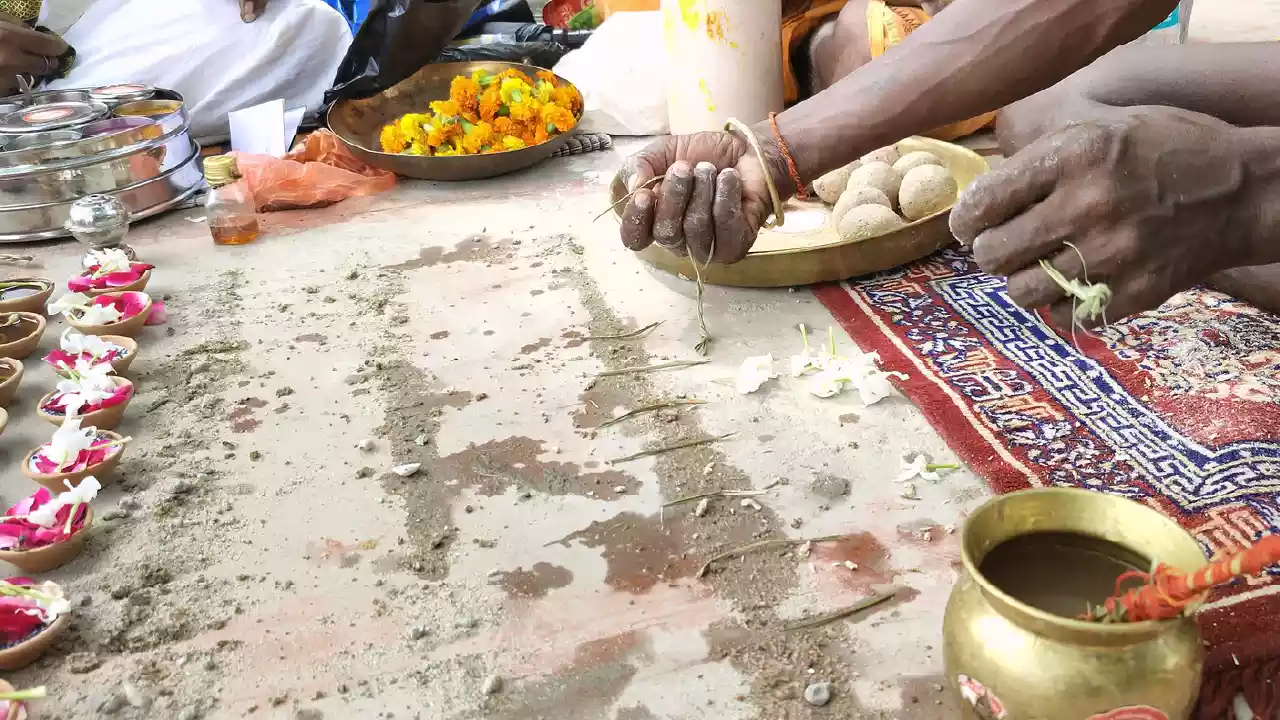
Before listing the specific benefits, let us remember a fundamental principle of Sanatana Dharma: the Law of Karma. Every action, especially those performed with conscious intent (sankalpa) and adherence to scriptural guidelines, produces a corresponding result. Actions aligned with Dharma yield positive, beneficial results (punya phala), while actions contrary to Dharma lead to suffering (paapa phala).
The performance of Shraddha and Tarpan during Pitrupaksha is considered a highly meritorious act of Dharma. It falls under the category of Naimittika Karma (occasional duties prompted by specific events or times, like Pitrupaksha) and also fulfills aspects of Nitya Karma (daily duties, like Pitru Yajna). Therefore, performing these rites diligently is expected, according to the Shastras, to generate significant positive results.
Our scriptures, particularly the Puranas (like Garuda Purana, Vishnu Purana, Markandeya Purana, Vayu Purana), the Dharma Shastras (like Manu Smriti, Yajnavalkya Smriti), and epics like the Mahabharata, contain numerous passages describing the importance of Shraddha and explicitly or implicitly stating the benefits derived from its proper performance. These texts are the authoritative source for understanding these rewards.
Primary Beneficiaries: Blessings Upon the Ancestors (Pitrus)
While descendants receive many blessings, the primary and immediate purpose of Shraddha is the welfare of the ancestors themselves. The scriptures emphasize these benefits for the Pitrus:
- Tripti (तृप्ति) – Deep Satisfaction and Contentment:
- This is the most fundamental benefit. The offerings of food (Pinda) and water (Tarpan), imbued with mantras and the descendant’s devotion, provide subtle nourishment that alleviates the ancestors’ hunger and thirst in Pitru Loka.
- This satisfaction brings them immense peace and contentment. A satisfied ancestor is a peaceful ancestor. Garuda Purana, for instance, details the suffering of unsatisfied souls and contrasts it with the peace attained through Shraddha.
- Liberation from Suffering (दुःख मुक्ति – Duḥkha Mukti):
- Ancestors who might be suffering due to their past karma, an unnatural death, or being trapped in lower states (like Preta Yoni) receive tremendous relief through Shraddha.
- The energy and merit (punya) transferred through the offerings can help alleviate their suffering and improve their condition in the subtle realms.
- Aiding the Onward Journey (ऊर्ध्व गति – Ūrdhva Gati):
- Shraddha doesn’t just provide comfort; it actively helps the ancestors in their spiritual progression (gati). Satisfied and energized by the offerings, they are better able to:
- Move towards higher, more peaceful realms (like Swarga Loka, if their karma permits).
- Secure a favourable rebirth (punarjanma) according to their karmic balance.
- In some cases, gain the necessary impetus towards final liberation (Moksha) if they are spiritually evolved.
- The rites help loosen earthly attachments, facilitating their upward or onward movement.
- Shraddha doesn’t just provide comfort; it actively helps the ancestors in their spiritual progression (gati). Satisfied and energized by the offerings, they are better able to:
- Elevation from Lower States:
- Specific rituals and Shraddha performed with intense devotion, especially at holy Tirthas (like Gaya), are believed to have the power to uplift ancestors even from lower births or suffering states (durgati), granting them a path towards better conditions.
By performing Shraddha, the descendant acts as a loving facilitator, providing essential support for the ancestors’ well-being and spiritual journey in the afterlife. This act of compassion is itself highly meritorious.
Rewards of Honoring Ancestors: Rewards for the Descendant (Kartā – कर्ता)
The scriptures are equally clear that the benefits flow abundantly towards the performer (Kartā) and their family. When ancestors are satisfied (tripta) through Shraddha, they bestow their powerful blessings, known as Pitru Kripa (पितृ कृपा) – Ancestral Grace. This grace manifests in numerous ways:
- Removal of Obstacles and Pitra Dosha (विघ्न नाश / पितृ दोष निवारण):
- This is one of the most sought-after benefits. Dissatisfied ancestors can create imbalances known as Pitra Dosha, leading to various life problems. Sincere observance of Pitrupaksha, especially performing Shraddha correctly, is considered the prime remedy for mitigating or removing Pitra Dosha.
- Consequently, obstacles related to career, finances, health, and relationships that were linked to ancestral dissatisfaction may begin to dissolve. Paths become clearer, and efforts yield better results.
- Blessings for Health and Longevity (आरोग्य एवं आयु वृद्धि – Ārogya evaṃ Āyu Vṛddhi):
- Pleased ancestors bless their descendants with good health, protection from diseases, and a long life (Ayush). Their subtle positive energy creates a protective shield (kavacha) around the family.
- Prosperity and Wealth (धन एवं समृद्धि – Dhana evaṃ Samṛddhi):
- Pitru Kripa is strongly associated with material well-being. Ancestors bless the family with financial stability, success in business or profession, gainful employment, and overall prosperity. They help ensure the family’s sustenance and comfort.
- Blessings for Progeny (संतान प्राप्ति एवं सुख – Santāna Prāpti evaṃ Sukha):
- One of the most significant blessings sought through Shraddha is related to children (santati). Satisfied ancestors bless the family with:
- The birth of healthy and virtuous children (especially for couples facing difficulties conceiving).
- The well-being, success, and longevity of existing children.
- The continuation of the family lineage (kula vṛddhi).
- One of the most significant blessings sought through Shraddha is related to children (santati). Satisfied ancestors bless the family with:
- Family Harmony and Peace (गृह शांति – Gṛha Śānti):
- When ancestors are at peace, that peace reflects in the home of the descendants. Pitru Kripa fosters love, understanding, and harmony among family members, reducing disputes and creating a peaceful domestic environment.
- Success, Name, and Fame (यश एवं कीर्ति – Yaśa evaṃ Kīrti):
- Ancestors take pride in the righteous achievements of their descendants. Their blessings can contribute to success in endeavours, recognition in society, and a good reputation, bringing honour (kirti) to the entire lineage.
- Protection from Negativity (रक्षा – Rakṣā):
- The blessings of satisfied ancestors act as a powerful shield, protecting the family from negative energies, unseen troubles, accidents, and inimical forces.
- Spiritual Growth and Guidance (आध्यात्मिक उन्नति – Ādhyātmika Unnati):
- Beyond material benefits, Pitru Kripa can also aid the descendant’s spiritual journey. Ancestors can offer subtle guidance, clear spiritual obstacles, and foster devotion and wisdom in their progeny.
These benefits are repeatedly alluded to in Puranic narratives and are a cornerstone belief motivating the observance of Pitrupaksha across Bharat. The Phalasruti (statement of benefits) sections occasionally found in scriptures related to specific vows or rituals often echo these themes when discussing ancestral rites.
Benefits for the Performer (Kartā): Inner Peace and Purification
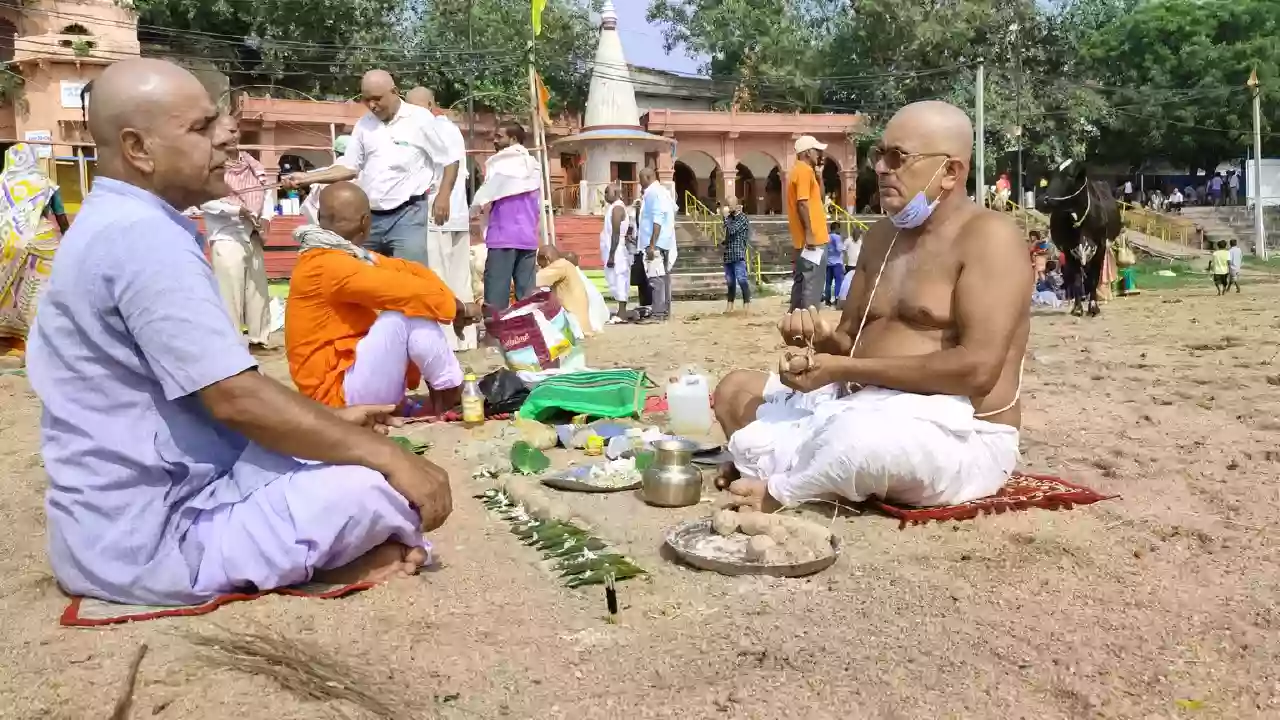
Beyond the blessings received, the very act of performing Shraddha with sincerity benefits the performer on a deep, personal level:
- Fulfillment of Dharma (धर्म पालन – Dharma Pālana):
- Performing Shraddha is fulfilling a sacred duty, particularly the repayment of Pitru Rina. This adherence to Dharma brings immense inner peace (Atma Shanti) and satisfaction, knowing one has done right by their ancestors and tradition.
- Cultivation of Shraddha (Faith):
- The practice strengthens one’s faith in the scriptures, in the continuity of life beyond death, and in the power of ritual and devotion.
- Development of Gratitude (कृतज्ञता – Kṛtajñatā):
- The process naturally fosters deep gratitude towards those who gave us life and paved the way for our existence. Gratitude is a powerful, heart-opening virtue with immense spiritual benefits.
- Purification of Mind and Heart (चित्त शुद्धि – Citta Śuddhi):
- Engaging in selfless action (seva) for the benefit of others (even departed ancestors), observing austerities (like dietary restrictions), chanting mantras, and focusing on devotion purifies the mind and heart of the performer, reducing ego and negative tendencies.
- Strengthening Family Bonds:
- Observing Pitrupaksha often brings families together, reinforcing shared traditions and mutual respect for lineage, strengthening bonds among living relatives as well.
The Mechanism: How Do These Benefits Accrue?
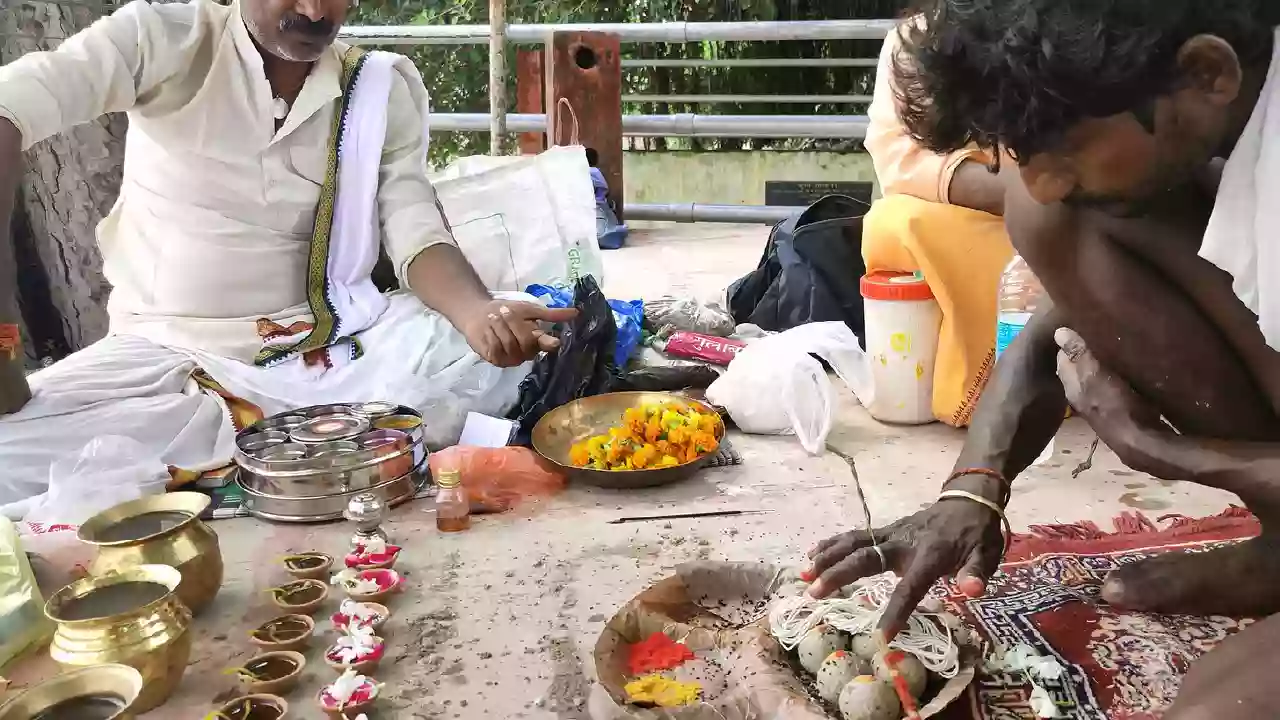
How does offering food and water lead to such wide-ranging benefits? The scriptures and tradition explain it through the principle of interconnectedness and reciprocal energy:
- Satisfaction Leads to Blessings: The core idea is simple: Tṛptāḥ Pitaro Tarpayanti Putrān Pautrān (Satisfied ancestors nourish their sons and grandsons). When the Pitrus receive the offerings and feel satisfied and peaceful, their natural benevolent inclination towards their descendants translates into potent blessings. Their positive energy flows towards the family.
- Clearing Energetic Blockages: By fulfilling Pitru Rina and alleviating ancestral dissatisfaction, the descendant clears energetic blockages (Pitra Dosha) that were previously hindering the flow of positive energy and opportunities into their life. It’s like removing debris that was damming a stream.
- Karmic Merit (Punya): The act of performing Shraddha according to scriptural injunctions generates significant positive karma (punya) for the performer. This merit itself attracts positive circumstances and divine grace.
Conclusion: Why Honor Ancestors?
Therefore, the observance of Pitrupaksha, as described in our revered scriptures, is far from being merely a somber obligation. It is a period laden with immense potential for mutual benefit, a sacred transaction of love, duty, and energy between generations.
By performing Shraddha with faith and devotion, we provide peace, sustenance, and progress to our departed ancestors. In return, we open ourselves to receiving their invaluable blessings (Pitru Kripa), which manifest as:
- Removal of obstacles (Pitra Dosha Nivaran)
- Health and longevity
- Prosperity and success
- Blessings for progeny
- Family harmony
- Protection from negativity
- Inner peace and spiritual growth
The Shastras assure us that this fortnight, dedicated to honouring our roots, yields abundant fruits for those who engage in it sincerely. It is a testament to the profound wisdom of our Rishis, who understood the deep, invisible threads that bind us to our lineage and the cosmos. May we all approach Pitrupaksha with reverence, understanding its potential not just as a duty, but as a profound opportunity for grace and well-being.
ॐ असतो मा सद्गमय | तमसो मा ज्योतिर्गमय | मृत्योर्मा अमृतं गमय |
Considering a rite for your own family?
Tell us what your family needs and a coordinator will contact you personally. No online payment is requested.
Send an enquiry