Decoding Pitrupaksha Dates: The Astronomical Reasons Behind Pitrupaksha’s Timing
Ever wondered why Pitrupaksha falls at a specific time of year? It’s not arbitrary! Decoding Pitrupaksha Dates reveals a profound connection between ancient wisdom and celestial mechanics. Hindu sages, masterful observers of the cosmos, identified a unique astronomical window perfectly aligned for honoring ancestors. The most significant factor is Dakshinayana, the Sun's apparent southward journey (usually June to December). This period is considered the 'daytime' for Pitrus (ancestors), making energies more conducive for connecting with their realm, which is traditionally associated with the southern direction and Lord Yama, the God of Death. Adding another layer, the Sun's transit into Kanya Rashi (Virgo) around mid-September often coincides with the start of Pitrupaksha. This solar sign is symbolically linked to service, purification, and settling debts – themes central to ancestral rites. Furthermore, Pitrupaksha occurs during Krishna Paksha, the waning phase of the moon. This diminishing lunar light is believed to attune energies towards the subtle realms, making it easier for ancestors to draw near and for our offerings to reach them effectively, culminating in the potent Mahalaya Amavasya (New Moon). Thus, Decoding Pitrupaksha Dates shows a harmonious convergence of the Sun's southern journey, its specific zodiacal position, and the waning moon, creating a divinely ordained period for this sacred duty. When you realize that the timing of these rituals is intricately linked to cosmic rhythms, how does it deepen your appreciation for the ancient knowledge embedded in these traditions?

ॐ श्री सूर्याय नमः | ॐ चन्द्रमसे नमः |
Like me, maybe you also had this inquiry: “Why this specific time of year for Pitrupaksha?”
Our ancestors, the great Rishis, were not just masters of the spirit but also keen observers of the heavens. They understood that the macrocosm (the universe) and the microcosm (the human being, the rituals) are deeply interconnected. The timing of Pitrupaksha is not arbitrary; it is aligned with specific celestial movements, a window chosen with profound astronomical and spiritual understanding.:
Decoding Pitrupaksha Dates: Sun, Moon, and Souls, Why Astronomy Points to This Specific Time for Honoring Ancestors (Pitrupaksha)

The Celestial Stage: Setting the Scene for Pitrupaksha
Before we pinpoint the specific astronomical markers, let us remember when Pitrupaksha occurs:
- It predominantly falls during the Krishna Paksha (waning fortnight) of the Ashwin month in the Hindu lunar calendar.
- It often commences on the Purnima (Full Moon) of the preceding month, Bhadrapada, or the Pratipada (first day) immediately following it.
- This period usually aligns with September-October in the Gregorian calendar.
Now, let us explore the key astronomical phenomena occurring during this window that underpin its selection for ancestral reverence.
The Sun’s Southern Journey: Dakshinayana (दक्षिणायन)

This is arguably the most significant astronomical factor linked to the timing of Pitrupaksha.
- What is Dakshinayana?
- The Earth tilts on its axis as it orbits the Sun. From our perspective on Earth, this tilt makes the Sun appear to move northwards for half the year and southwards for the other half.
- Dakshinayana marks the period of the Sun’s apparent southward journey. It begins around the Summer Solstice (Karka Sankranti, usually June 21st) and ends around the Winter Solstice (Makara Sankranti, usually December 21st/22nd).
- Why is Dakshinayana Significant for Pitrus?
- The Realm of Yama: In Hindu cosmology, the southern direction is traditionally associated with Lord Yama, the God of Death and Justice, and consequently, with the Pitru Loka (Realm of Ancestors).
- The ‘Night of the Devas’: Ancient texts metaphorically describe Dakshinayana as the ‘night’ or ‘inactive period’ for the Devas (Gods), whose active period is Uttarayana (the Sun’s northward journey, considered the ‘day of the Devas’). Conversely, Dakshinayana is considered the ‘day’ or the more active time for the Pitrus.
- Increased Receptivity: During Dakshinayana, especially as the Sun progresses deeper south, the energies are believed to be more conducive for connecting with the ancestral realm. The veil between the worlds is thought to thin, particularly concerning the Pitru Loka.
- Pitrupaksha Timing: Pitrupaksha falls squarely within the Dakshinayana period, specifically when the Sun’s southward movement is well underway. This alignment is seen as cosmically appropriate for activities related to the departed.
Think of it like this: Just as certain seasons are best for planting or harvesting, Dakshinayana is considered the cosmic ‘season’ most aligned with ancestral energies and the rituals dedicated to them.
The Sun’s Transit into Kanya Rashi (कन्या राशि – Virgo)
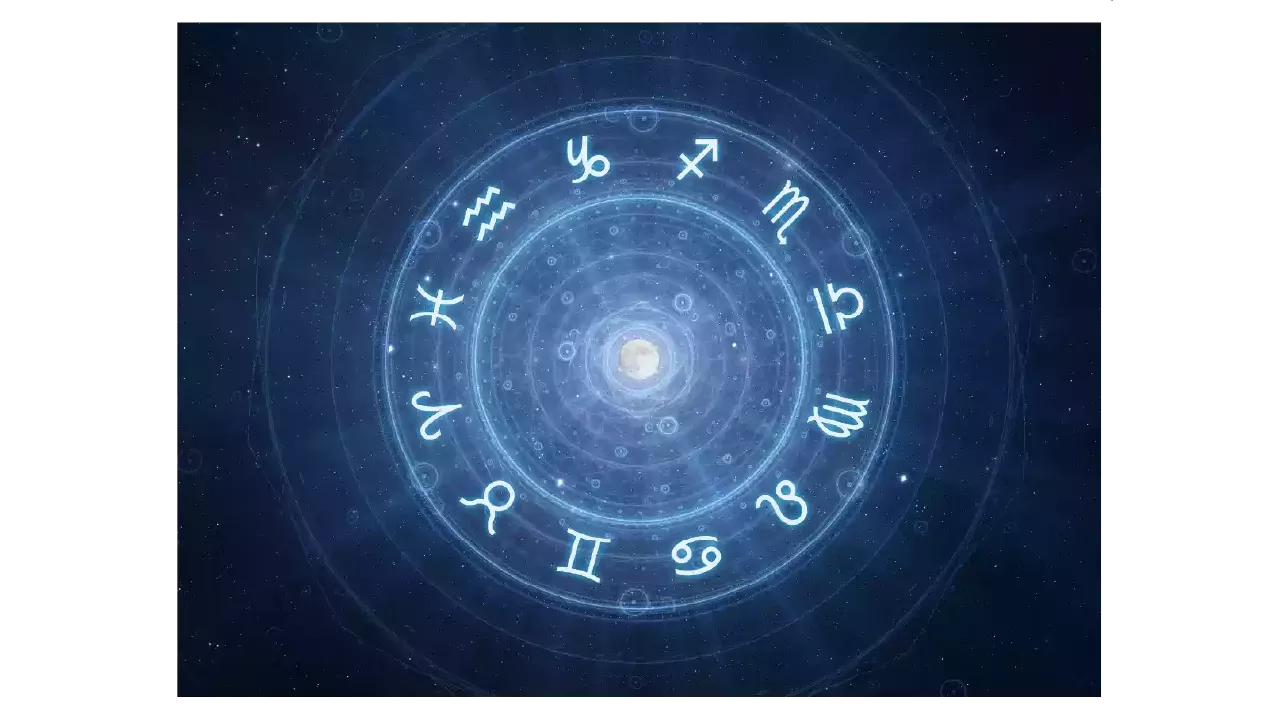
Another layer of astronomical significance comes from the Sun’s position in the zodiac.
- Solar Transit: As the Sun makes its apparent journey through the sky, it passes through the twelve zodiac signs (Rashis).
- Entry into Virgo: Around mid-September, the Sun typically transitions from Simha Rashi (Leo) into Kanya Rashi (Virgo). This transit, known as Kanya Sankranti, often coincides closely with the beginning of Pitrupaksha.
- Symbolic Significance of Kanya Rashi:
- While interpretations can vary, Kanya Rashi (Virgo) in Vedic astrology (Jyotish) is often associated with themes of service, purification, attention to detail, accounting, and dealing with past issues or debts.
- Some astrological traditions draw a symbolic link between these themes and the purpose of Pitrupaksha – serving the ancestors, purifying karmic ties, meticulously performing rituals, and settling the ‘debt’ of Pitru Rina.
- The Sun, representing the soul and divine authority, entering this sign during Dakshinayana, could be seen as illuminating the path for fulfilling these ancestral duties.
While perhaps less universally cited than Dakshinayana, the Sun’s position in Kanya Rashi provides an additional layer of celestial context for the timing of Pitrupaksha. It marks a specific point within the broader Dakshinayana period.
The Power of the Waning Moon: Krishna Paksha (कृष्ण पक्ष)
The lunar phase is the third crucial astronomical element. Pitrupaksha occurs specifically during the Krishna Paksha – the fortnight when the moon is waning, moving from Full Moon (Purnima) towards New Moon (Amavasya).
- Understanding Lunar Phases: The Hindu calendar intricately tracks the moon’s phases, dividing the month into Shukla Paksha (waxing moon, growing brighter) and Krishna Paksha (waning moon, growing darker).
- Krishna Paksha and the Pitrus:
- Contrast with Devas: Traditionally, the waxing moon (Shukla Paksha) is associated with growth, auspicious beginnings, and the worship of Devas (Gods).
- Connection to Subtle Realms: The waning moon (Krishna Paksha), with its diminishing light, is considered more attuned to the energies of the ancestors, spirits, and the subtle realms. It’s a time associated with introspection, release, dissolution, and connection with those who have departed the physical plane.
- Facilitating Connection: The subtle, receding energy of the Krishna Paksha is believed to make it easier for the Pitrus, existing in subtle bodies, to draw near and for the offerings and prayers of the descendants to reach them effectively.
- Mahalaya Amavasya: The culmination of Pitrupaksha on Amavasya (New Moon day) is significant. This is the darkest night of the lunar cycle, representing the peak of the waning phase. It is considered the most potent day for connecting with all ancestors, the final point of communion before the lunar cycle renews and the focus shifts away from the intense ancestral connection of the preceding fortnight.
The Convergence: Sun, Moon, and Earth in Harmony
It is crucial to understand, Vatsa, that it’s not just one astronomical factor but the convergence of these elements that makes this period uniquely suitable for Pitrupaksha:
- The Sun is in its Southern Course (Dakshinayana): Aligning the period with the direction and realm associated with Pitrus and Yama.
- The Sun Transits Kanya Rashi (Virgo): Marking a specific solar juncture within Dakshinayana, potentially adding symbolic resonance related to service and settling debts.
- The Moon is Waning (Krishna Paksha): Tuning the energy towards the subtle realms and facilitating connection with departed souls.
This specific combination – the Sun’s southward journey reaching a particular zodiacal point during the Moon’s waning phase – creates a unique cosmic window. Our Rishis, through their deep intuition and observation, recognised this window as divinely ordained for the sacred duty of Shraddha.
Beyond Astronomy: The Role of Revelation and Tradition
While we can identify these astronomical correlations, it is essential to remember that the designation of Pitrupaksha comes primarily from Hindu scriptures (Shastras) like the Puranas and Smritis, and the wisdom of the Rishis.
- Divine Ordination: The scriptures declare this period sacred for Pitru rituals. It wasn’t chosen only based on astronomical observation but was revealed or understood through deeper spiritual insight, where the astronomical alignment was seen as confirming or facilitating a spiritual truth.
- Mythological Narratives: Stories like that of Karna (returning to Earth during this period to offer food) further sanctify this time, weaving together cosmic timing with Puranic explanations.
- Energetic Significance: The Rishis perceived the subtle energies prevalent during this specific celestial configuration and deemed them most suitable for the delicate and profound task of interacting with the ancestral realm.
Therefore, the astronomical basis provides a framework, a cosmic clock aligning with the spiritual significance designated by tradition and revelation. It shows the beautiful harmony our ancestors perceived between the celestial rhythms and the cycles of life, death, and remembrance.
Conclusion: A Time Blessed by the Cosmos

So, the timing of Pitrupaksha is not a coincidence. It is a carefully chosen period when the Sun’s southward journey, its placement in the zodiac (Kanya Rashi), and the Moon’s waning phase (Krishna Paksha) converge. This celestial alignment, according to ancient wisdom, creates an opportune moment – a sacred window – when the connection between the living and the departed is believed to be strongest, and the rituals performed bear the most fruit.
It is a testament to the profound understanding of the cosmos held by the sages of Bharat, who seamlessly integrated the movements of the heavens with the deepest spiritual duties of humankind. When we perform Shraddha during Pitrupaksha, we are not only honouring our ancestors but also aligning ourselves with these larger cosmic rhythms.
May this understanding enhance your reverence during this sacred fortnight.
ॐ सर्वेभ्यो पितृभ्यो नमः |
Considering a rite for your own family?
Tell us what your family needs and a coordinator will contact you personally. No online payment is requested.
Send an enquiry