Blog · Guidance on ancestry, scripture and practice
ग्रन्थालय

Pitrupaksha Blog

Explore the existing Pitrupaksha.org article library, including guidance on important dates, traditions, sacred sites and ancestral rites.

217
articles
Showing 12 of 217
Sorted by Most recent
The 3 Pillars of Pitrupaksha
Pind daan 8 min read

The 3 Pillars of Pitrupaksha: Shraddha, Tarpan & Pinda Daan Explained

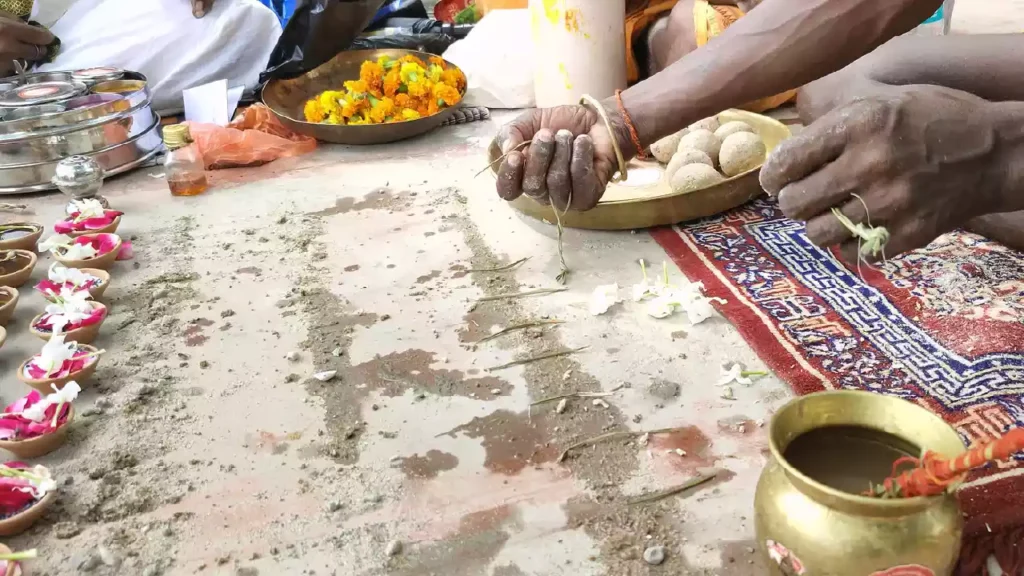
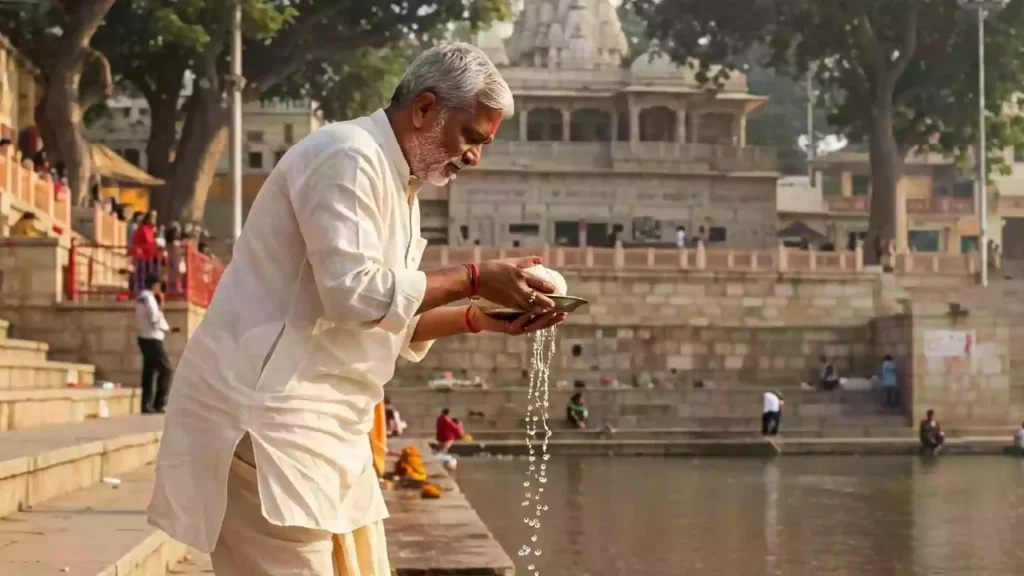
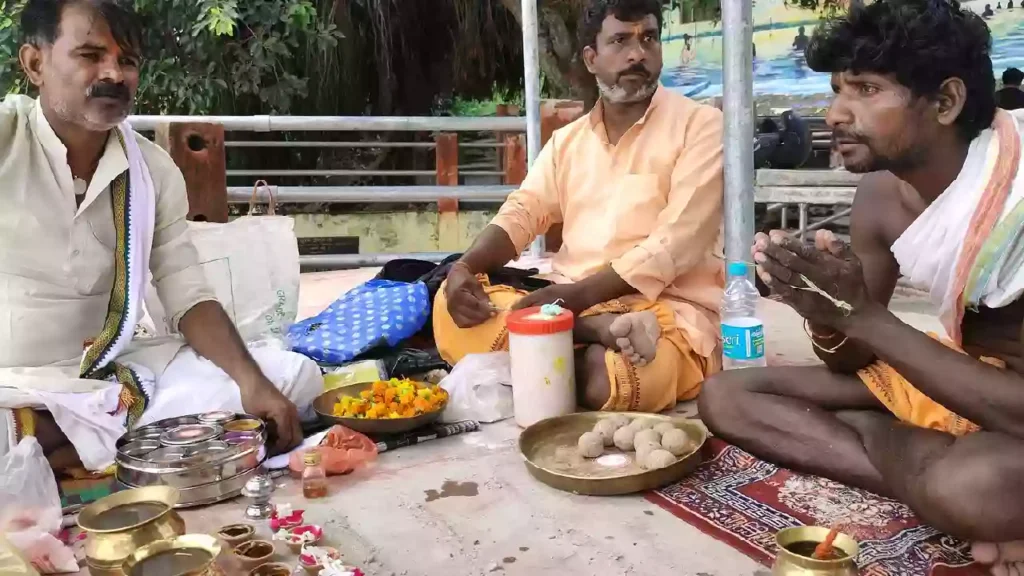
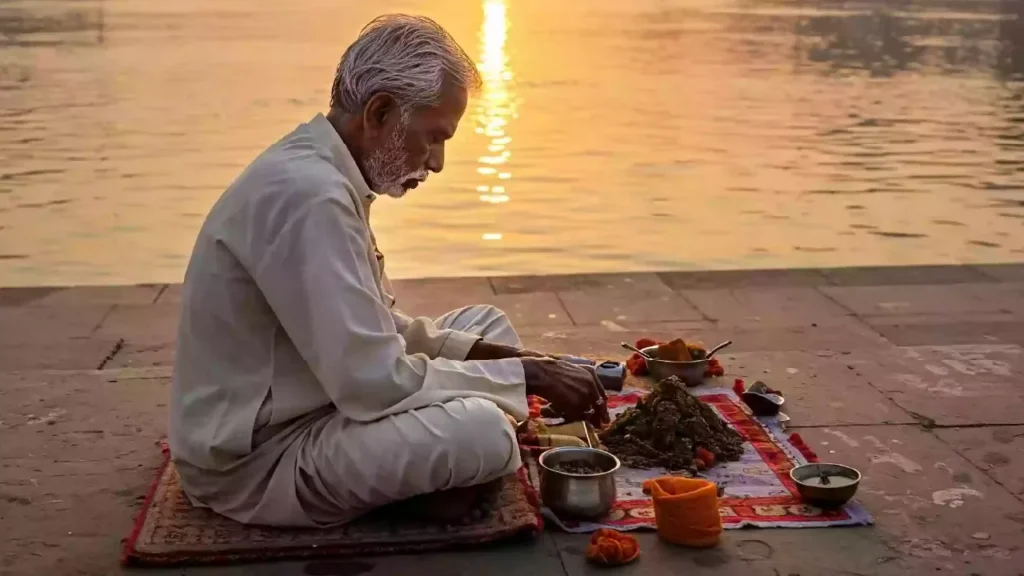
Unlock the profound meaning behind ancestral rites by understanding The 3 Pillars of Pitrupaksha: Shraddha (श्राद्ध), Tarpan (तर्पण), and Pinda Daan (पिण्ड दान). While interconnected, each holds a distinct purpose. Shraddha is the umbrella term, the entire ceremony performed with unwavering faith (Shraddha) to honor ancestors, express gratitude, fulfill Pitru Rina (ancestral debt), and seek blessings. It’s the complete service, often encompassing invocations, offerings, and feeding Brahmins. Within this, Tarpan is the vital act of offering water mixed with black sesame seeds. Its primary aim is to quench the subtle thirst of departed souls (Pitrus), as well as Devas and Rishis, bringing them peace and satisfaction. It's a regular expression of respect. Then comes Pinda Daan, arguably the most crucial food offering. This involves presenting rounded balls of cooked rice (Pindas), symbolically representing and nourishing the subtle bodies of ancestors, providing them form and energy in Pitru Loka. Together, these three pillars form a comprehensive system to ensure our ancestors are content and their blessings flow, reinforcing the beautiful, unbroken bond of lineage. Grasping the distinct roles of Shraddha (the overall ceremony), Tarpan (quenching thirst), and Pinda Daan (providing sustenance) within The 3 Pillars of Pitrupaksha, how does this clarity deepen your appreciation for the holistic approach of these ancient rituals?
Pitriloka Explained
Ancestors 10 min read

Pitru Loka Explained: The Realm of Ancestors in Hindu Cosmology

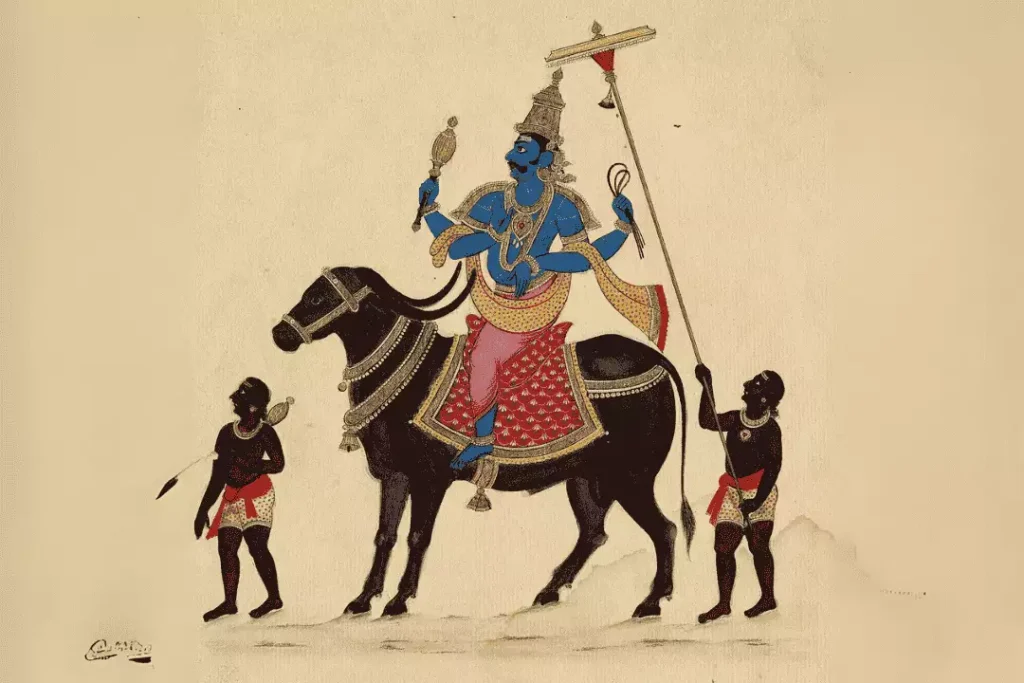
Ever wondered where our ancestors reside after departing the physical world? Pitru Loka Explained unveils this significant realm within Hindu cosmology. Pitru Loka is the specific intermediate abode for the spirits of our departed ancestors (Pitrus), governed with perfect justice by Lord Yama Dharmaraja. It’s not a final heaven or hell, but a subtle plane, often considered part of Bhuvar Loka (the atmospheric realm), where souls exist in their subtle bodies (sukshma sharira), retaining their consciousness and experiencing the fruits of their karma. Crucially, souls in Pitru Loka are believed to experience subtle hunger and thirst and depend heavily on the Shraddha and Tarpan offerings made by their living descendants for sustenance (Tripti) and peace. Pitru Loka Explained highlights that these offerings, imbued with mantras and devotion, provide vital energy, aiding their comfort and facilitating their onward journey – be it to a favorable rebirth, higher realms, or even liberation (Moksha). During Pitrupaksha, it's believed Lord Yama grants Pitrus leave to visit Earth, making our rituals even more potent. Understanding this realm gives profound meaning to our ancestral rites, transforming them from mere customs into active participation in the cosmic order, bridging the visible and invisible. Knowing that Pitru Loka is a specific realm where your ancestors are believed to be sustained by your offerings, how does this clarify the purpose and importance of performing Shraddha rituals?

What Happens to Ancestors if Shraddha Is not Performed?
Ancestors 8 min read

What Happens to Ancestors if Shraddha Is not Performed?

Ever wondered about the impact on our ancestors if Shraddha Is Not Performed? Hindu scriptures paint a vivid picture: these sacred rites are vital sustenance for departed souls (Pitrus) in Pitru Loka. Offerings of food (Pinda) and water (Tarpan) are believed to provide subtle nourishment, alleviating their hunger and thirst. Without this, ancestors may suffer, becoming restless and dissatisfied (Atripti). This isn't just about discomfort; their spiritual progress can be hindered, making it difficult to move to higher realms or secure a favorable rebirth. In some cases, neglect can even trap souls in a suffering 'Preta' (ghostly) state. The consequences if Shraddha Is Not Performed extend to the living. The dissatisfaction of neglected ancestors is believed to create Pitra Dosha – an energetic imbalance that can manifest as unexplained obstacles in health, career, and family harmony for their descendants. It’s like weakened roots unable to nourish the tree. However, it’s never too late. If you realize these duties have been overlooked, sincere offerings, especially during Pitrupaksha or at holy Tirthas, can bring immense relief to ancestors and blessings to you. Understanding this underscores Shraddha not as a fear-based ritual, but an act of profound love, duty, and mutual well-being, crucial for both the departed and the living. Knowing the potential distress of ancestors and the obstacles it might create for descendants if Shraddha is neglected, how does this motivate you to ensure these sacred duties are fulfilled?

Why Honor Ancestors
Ancestors 8 min read

Why Honor Ancestors? Unveiling the Scriptural Benefits of Pitrupaksha Observances

Ever wondered Why Honor Ancestors with such dedication during Pitrupaksha? Our sacred scriptures, like the Puranas and Dharma Shastras, reveal a profound truth: these observances are not just duties but gateways to immense blessings for both the departed and the living. When you perform Shraddha and Tarpan with faith, you provide Tripti (deep satisfaction) to your ancestors, alleviating their hunger and thirst in Pitru Loka. This vital nourishment aids their onward spiritual journey, potentially liberating them from suffering and helping them attain higher realms or a favorable rebirth. Your acts of love become their spiritual sustenance. But the rewards flow generously to you too! The most cherished benefit is Pitru Kripa (Ancestral Grace). Satisfied ancestors bestow powerful blessings: they help remove life's obstacles and resolve Pitra Dosha (ancestral afflictions), paving the way for success. They bless you with health, longevity, prosperity, and harmonious family life. For those seeking progeny, their blessings are invaluable. Understanding Why Honor Ancestors from a scriptural view shows that these rituals are a divine transaction of love and energy, generating positive karma (Punya) for you, bringing inner peace, and strengthening your connection to a powerful lineage of support. It’s a sacred opportunity for profound mutual upliftment. Knowing that the scriptures promise such tangible and spiritual benefits from honoring ancestors, how does this deepen your motivation to participate sincerely in Pitrupaksha?

Pitrupaksha and Self-Discovery: Why Your Feelings Matter Most in Pitrupaksha
Pitrupaksha 10 min read

Pitrupaksha and Self-Discovery: Why Your Feelings Matter Most in Pitrupaksha

Did you know that Pitrupaksha offers a profound journey into Pitrupaksha and Self-Discovery, far beyond the essential rituals? While Tarpan and Pinda Daan are sacred languages to honor ancestors, the true spiritual gold lies in understanding your feelings and the deep connection to your lineage. This period invites you to see yourself not as an isolated individual, but as part of an unbroken chain of consciousness, inheriting subtle samskaras (impressions) and karmic patterns. Reflecting on your ancestors' lives—their strengths, struggles, and tendencies—becomes a powerful mirror, offering deep insights into your own inherent nature, talents, and life challenges. The core of Pitrupaksha and Self-Discovery is cultivating heartfelt Bhaav (feeling). Moving beyond mechanical actions, engage with genuine gratitude for the gift of life, extend love and compassion even to unknown ancestors, and offer forgiveness to heal old wounds within the lineage. This conscious engagement with your roots is a practical tool for Swadhyaya (self-study). As you participate in this energetic give-and-take, offering nourishment and receiving blessings, you're not just fulfilling a duty; you're actively healing intergenerational patterns, aiding your ancestors' spiritual progress, and freeing yourself from inherited burdens. Ultimately, this journey leads to recognizing the divine spark flowing through every soul in your lineage, transforming familial duty into a luminous path of healing and connection to the very source of existence. How might consciously using Pitrupaksha as a time for introspection and heartfelt connection with your lineage unlock deeper layers of your own self-awareness?

Pitrupaksha and Nitya Karma
Pitrupaksha 8 min read

Pitrupaksha and Nitya Karma: How the Special Ancestral Fortnight Differs From Daily Devotion

Ever wondered how the solemn focus of Pitrupaksha differs from your daily spiritual routine (Nitya Karma)? Think of Nitya Karma – your daily prayers, deity worship, and brief remembrances of ancestors – as the steady, nourishing stream that maintains your everyday spiritual well-being and connection to the divine. It's like the consistent, healthy meal that sustains you. Now, imagine Pitrupaksha as the grand annual feast, a sacred reservoir of focused energy, meticulously prepared for a singular purpose: to intensely honor your departed ancestors. This fortnight is profoundly different due to its exclusive and intense focus on the Pitrus. What truly sets Pitrupaksha and Nitya Karma apart is the unique cosmic timing of Pitrupaksha (Dakshinayana, Krishna Paksha), believed to be when ancestors visit Earth, making our offerings exceptionally potent. Unlike the generalized acknowledgments in daily practice, Pitrupaksha involves specific, deeper rituals like Shraddha and Pinda Daan, designed to provide unique sustenance and address Pitru Rina (ancestral debt) and Pitra Dosha (ancestral afflictions) in a way daily rituals might not. The collective atmosphere of austerity and heightened receptivity during these 15 days amplifies the connection, making it a unique window for profound ancestral blessings. Both are vital, but Pitrupaksha offers an unparalleled, focused opportunity to nourish your roots. Recognizing that Pitrupaksha provides a special, intensified opportunity beyond daily remembrance, how might this understanding encourage a more dedicated observance from you during this sacred fortnight?

How Karna's Story Defined Pitrupaksha Offerings
Anna Daan 9 min read

Anna Daan Supreme: How Karna s Story Defined Pitrupaksha Offerings

Unlock the profound reason behind the specific offerings in Pitrupaksha through the legendary tale of Daanveer Karna! How Karna's Story Defined Pitrupaksha Offerings reveals a crucial spiritual lesson. The great warrior Karna, known for his unmatched generosity with gold and material wealth, ascended to the heavens after his heroic death. Yet, to his bewilderment, he was offered only gold to eat. Lord Indra explained that while his charity in worldly riches (Dhana Daan) was immense, he had neglected Anna Daan – the offering of food – to his ancestors through Shraddha rituals. This vital act provides subtle sustenance to departed souls in Pitru Loka, something material wealth cannot achieve. Recognizing this oversight, Karna was granted a 15-day boon to return to Earth. During this period, which many believe corresponds to Pitrupaksha, he diligently performed Shraddha, offering food (Pinda Daan) and water (Tarpan) to his ancestors, finally ensuring their peace and his own complete satisfaction. Thus, How Karna's Story Defined Pitrupaksha Offerings underscores the supreme importance of food offerings during this sacred fortnight. It teaches us that no amount of other charity can replace the specific nourishment ancestors require, highlighting Pitrupaksha as our divine opportunity to fulfill this essential duty, connect with our lineage, and receive profound blessings. Knowing that even the most generous hero had to return specifically for food offerings, how does this emphasize the unique spiritual significance of the meals prepared and offered during Pitrupaksha in your own practice?

Why Pitrupaksha Feels Different
Pitrupaksha 8 min read

Why Pitrupaksha Feels Different: Inauspicious Period or Sacred Opportunity? 

Ever noticed Why Pitrupaksha Feels Different compared to other vibrant Hindu festivals? There's a distinct quietude, a solemn air, as new beginnings like weddings or business ventures are often postponed, and lifestyles simplify. This isn't because the period is inherently 'inauspicious' or negative. Instead, Pitrupaksha is an immensely sacred and spiritually potent fortnight dedicated entirely to honoring our departed ancestors. The somber tone arises naturally from its core purpose: connecting with souls in the subtle realm, engaging in heartfelt Shraddha (rituals of faith) and Tarpan (water offerings), and reflecting on the profound themes of lineage and mortality. The key is understanding that 'auspiciousness' in Hinduism relates to the suitability of time for specific activities. Pitrupaksha, falling during Dakshinayana (Sun's southern, introspective journey), is uniquely 'auspicious' for ancestral rites, offering the best opportunity to receive Pitru Kripa (ancestral blessings) and resolve Pitra Dosha (ancestral afflictions). The reason Why Pitrupaksha Feels Different and why new, expansive ventures are avoided is to align our energy with its reflective, past-focused nature and to maintain utmost respect for the visiting ancestors. It’s not about fear, but a sacred opportunity brimming with spiritual merit, urging us to embrace its quiet depth for profound connection and grace. When you understand that the solemn atmosphere is about focused reverence rather than negativity, how does it shift your perspective on participating in Pitrupaksha?

Decoding Pitrupaksha Dates
Core Concepts 7 min read

Decoding Pitrupaksha Dates: The Astronomical Reasons Behind Pitrupaksha’s Timing

Ever wondered why Pitrupaksha falls at a specific time of year? It’s not arbitrary! Decoding Pitrupaksha Dates reveals a profound connection between ancient wisdom and celestial mechanics. Hindu sages, masterful observers of the cosmos, identified a unique astronomical window perfectly aligned for honoring ancestors. The most significant factor is Dakshinayana, the Sun's apparent southward journey (usually June to December). This period is considered the 'daytime' for Pitrus (ancestors), making energies more conducive for connecting with their realm, which is traditionally associated with the southern direction and Lord Yama, the God of Death. Adding another layer, the Sun's transit into Kanya Rashi (Virgo) around mid-September often coincides with the start of Pitrupaksha. This solar sign is symbolically linked to service, purification, and settling debts – themes central to ancestral rites. Furthermore, Pitrupaksha occurs during Krishna Paksha, the waning phase of the moon. This diminishing lunar light is believed to attune energies towards the subtle realms, making it easier for ancestors to draw near and for our offerings to reach them effectively, culminating in the potent Mahalaya Amavasya (New Moon). Thus, Decoding Pitrupaksha Dates shows a harmonious convergence of the Sun's southern journey, its specific zodiacal position, and the waning moon, creating a divinely ordained period for this sacred duty. When you realize that the timing of these rituals is intricately linked to cosmic rhythms, how does it deepen your appreciation for the ancient knowledge embedded in these traditions?

Your First Pitrupaksha
Pind daan 9 min read

Your First Pitrupaksha? | 10 Things You Need to Understand

Embarking on your First Pitrupaksha? Welcome to a profoundly beautiful and deeply human tradition! This sacred fortnight isn't about complex, intimidating rules, but a heartfelt expression of love, memory, and gratitude that bridges the gap between the living and the departed. Simply put, Pitrupaksha is "The Fortnight of the Ancestors," a special 15-16 day period (usually September-October) when we honor our parents, grandparents, and great-grandparents who have passed. It's believed their souls visit us, eager for remembrance. The core 'why' is to express immense gratitude for life itself, to keep their cherished memories alive, and to fulfill a sacred duty (Pitru Rina) – nurturing our roots so we, the descendants, can flourish. Don't worry about elaborate rituals if you're just starting your First Pitrupaksha. The main acts are Shraddha (offering food with faith) and Tarpan (offering water to quench ancestral thirst). Even simple acts like heartfelt prayer, donating food in their name, or feeding animals carry immense value. The most vital day is Mahalaya Amavasya, the final day, perfect for honoring all ancestors. By participating, you not only bring peace to your ancestors but also invite their powerful blessings for health, harmony, and prosperity into your own life, potentially resolving ancestral imbalances (Pitra Dosha). As you navigate your First Pitrupaksha, how might even a small, sincere act of remembrance change your connection to your lineage and the spiritual legacy you are part of?

The Hindu Concept of Pitrus
Core Concepts 9 min read

The Hindu Concept of Pitrus: Who Are We Honoring?

Dive deep into the profound understanding of who the Pitrus truly are – they are far more than just a word! In Hindu tradition, Pitrus encompasses not only your immediate father but all departed ancestors, the very forefathers and foremothers who paved your path of existence. While rituals often focus on the three preceding paternal generations (father, grandfather, great-grandfather) and their spouses due to the strongest energetic and karmic links, the reverence extends to maternal lines and even unknown ancestors, ensuring no soul is forgotten. These cherished Pitrus reside in Pitru Loka, a subtle realm governed by Lord Yama, where they are sustained by the love, remembrance, and offerings from their living descendants. Imagine your ancestors, the Manushya Pitrus, existing in subtle forms, capable of bestowing immense blessings for health, prosperity, and harmony when nourished by your heartfelt Shraddha and Tarpan. Then there are the Deva Pitrus, primordial ancestors who oversee this sacred connection. Understanding this intricate system reveals that honoring your Pitrus is not merely a ritualistic duty but a profound act of recognizing your roots, healing ancestral imbalances (Pitra Dosha), and fostering a living connection with those who shaped your lineage. They are your extended family in another realm, eagerly awaiting your loving acknowledgment. Knowing that your ancestors are believed to be sustained by your remembrance and offerings, how might this understanding transform the way you view your lineage and your role in its spiritual continuity?

Why We Honor Ancestors
Pind daan 9 min read

Why We Honor Ancestors: Unpacking Pitrupaksha’s Gratitude, Duty & Remembrance

Ever wondered about the profound reasons Why We Honor Ancestors, especially during sacred times like Pitrupaksha? It's not just ancient tradition; it's a vibrant tapestry woven from three essential threads: profound remembrance, overflowing gratitude, and the fulfillment of sacred duty. By actively remembering our forebears, we keep their essence alive, learn from their journey, and solidify our own identity, recognizing that "we are because they were." This remembrance then blossoms into heartfelt gratitude for the ultimate gift—life itself—along with our lineage, our cultural inheritance, and the countless sacrifices they made that paved our way. This deep appreciation naturally leads us to fulfill our Pitru Rina, the sacred debt of existence owed to those who came before us. Engaging in rituals like Tarpan and Pinda Daan isn't just symbolic; it’s a powerful act of love and responsibility that nourishes their souls and maintains a crucial energetic balance between generations. The beautiful truth is, when we understand Why We Honor Ancestors, we realize these practices are a divine confluence that strengthens our roots, purifies our hearts, and invites a cascade of blessings—health, harmony, and prosperity—from satisfied ancestors, ensuring their peace and our own spiritual growth. It’s a cyclical flow of love that transcends time. Given that these acts of remembrance and gratitude are seen to nourish both the ancestors and the descendants, how might embracing this understanding actively enrich the spiritual fabric of your own life and family?

A monthly reading

One essay, one scripture reference, one calendar note for the month ahead. Nothing else. Never promotional.

REQUEST VIA COORDINATOR DESK · 12 ISSUES A YEAR · NO SPAM