Blog · Guidance on ancestry, scripture and practice
ग्रन्थालय

Pitrupaksha Blog

Explore the existing Pitrupaksha.org article library, including guidance on important dates, traditions, sacred sites and ancestral rites.

217
articles
Showing 12 of 217
Sorted by Most recent
Image of a open puranas - Pitru Dosha remedies
Pind daan 14 min read

Pitru Dosha remedies: The Unseen Threads and Karmic Debts of Ancestry

Do you ever feel that unseen forces from your lineage might be influencing your life's challenges? Sanatana Dharma speaks of Pitru Dosha, not merely as a "curse," but as a deep karmic imbalance—a debt to your ancestors. What if the unfulfilled desires or unsettled karmas of your forefathers are creating ripples in your present, affecting your peace, prosperity, and even your family's well-being? This comprehensive exploration delves into how this ancestral energy, or Pitru Rina, manifests and how Vedic astrology pinpoints it in your birth chart through planetary influences on the ninth house. Are you experiencing unexplained setbacks in your career, persistent health issues, or disharmony at home despite your best efforts? Could these be linked to the spiritual state of your ancestors? The article unveils a rich array of potent Pitru Dosha remedies, from time-honored Shradh ceremonies and powerful rituals like Narayan Nagbali and Tripindi Shraddha performed at sacred sites, to the profound impact of leading a righteous life (Dharmacharan) and specific pujas. How can these sacred practices not only alleviate your current difficulties but also bring profound peace to your ancestral line, transforming karmic burdens into blessings? Discover the pathways to ancestral harmony and unlock a life of greater fulfillment.
Picture of 18 purans- Role of Pitru Dosha in Vedic Astrology
Pind daan 6 min read

The Role of Pitru Dosha in Vedic Astrology: The Karmic Echo of Ancestors

What crucial role does Pitru Dosha play within the framework of Vedic Astrology (Jyotisha)? Far from being just a 'curse', Pitru Dosha signifies unresolved ancestral karmic debts or dissatisfaction, as understood from Puranic scriptures. Its role in Vedic Astrology is to act as a diagnostic indicator, revealing these potential karmic imprints from the lineage reflected in an individual's birth chart (Kundali). Specific planetary afflictions – primarily involving the 9th house (signifying father and fortune), its lord, the Sun (Pitri Karaka), and the nodal axis of Rahu/Ketu – highlight these vulnerabilities. The manifestation of these patterns can vary, often appearing as persistent obstacles in career, relationships, progeny, health, or general well-being. By identifying these configurations, Jyotisha pinpoints the potential karmic root of such life challenges. However, the role extends beyond diagnosis; it crucially guides towards effective remedies (Parihara). Understanding the specific nature of the Dosha helps tailor solutions like performing Shraddha and Tarpan, undertaking Pind Daan at sacred Tirthas (like Gaya), conducting specific remedial Pujas (e.g., Narayan Nagbali), living righteously, and propitiating the involved planets. Ultimately, recognizing the role of Pitru Dosha empowers individuals to address ancestral karma proactively.

Image of open book or puranas- Image of a person doing pind daan- Identify Pitru Dosha in Your Kundali
Pind daan 6 min read

How to Identify Pitru Dosha in Your Kundali: A Comprehensive Guide

Are you facing persistent obstacles despite your best efforts? Could unresolved ancestral karma, known as Pitru Dosha, be influencing your life? This guide delves into how to identify Pitru Dosha in your Kundali (Vedic birth chart) from both an astrological and Dharmic perspective. Understand that Pitru Dosha isn't merely a curse but often reflects ancestral dissatisfaction or unfulfilled duties manifesting in the descendant's life. Learn the key astrological indicators scrutinized during a Pitru Dosha Kundali Analysis, focusing on afflictions to the crucial 9th house (representing father, lineage, fortune), the Sun (significator of father and soul), and the disruptive influences of Rahu and Ketu. Discover the potential effects often associated with these planetary patterns – challenges in career, finances, relationships, progeny, health, and overall progress. Most importantly, this isn't about fate being sealed. Vedic wisdom provides a path forward through Parihara (remedies). Explore how performing Shraddha rituals, Tarpan, Pinda Daan at sacred Tirthas, living righteously, and specific planetary appeasements can help mitigate these influences. Unlock the potential for healing and harmony by understanding your ancestral connection. Remember, accurate analysis requires a skilled Jyotishi.

Image of pandit ji doing tarpan rituals- Auspicious Shradh Tithis
Pind daan 8 min read

The Sacred Calendar of Ancestral Reverence: Detailed Puranic Insights into Auspicious Shradh Tithis

When honouring our ancestors through Shraddha rites, does the timing truly matter beyond sincere devotion? Hindu scriptures, including Puranas and Dharma Shastras, emphatically say yes, revealing the principle of 'Kala-Vishesha' – certain times possess unique spiritual potency. This exploration delves into the most Auspicious Shradh Tithis mandated for ancestral reverence. Discover why Mahalaya Paksha (Pitru Paksha) is considered the paramount period, and why the monthly Amavasya (new moon) and the specific annual death anniversary (Varshika Shraddha) hold critical importance. Learn about other powerful junctures like Sankrantis (Sun's ingress into new signs), specific astrological yogas (Vaidhriti, Vyatipata), ancient Ashtaka rites, cosmically significant Manvadi and Yugadi Tithis, and the potent windows during eclipses. Why is performing Shraddha at sacred Tirthas like Gaya considered exceptionally meritorious? Understand how aligning these vital rituals with the prescribed Auspicious Shradh Tithis is believed to amplify the spiritual benefits, ensure deeper satisfaction (tṛpti) for the Pitris, effectively help discharge the sacred Pitri Rina (ancestral debt), and draw enhanced blessings upon the performer. This is the sacred calendar of remembrance, guiding us to integrate faith with Shastric wisdom.

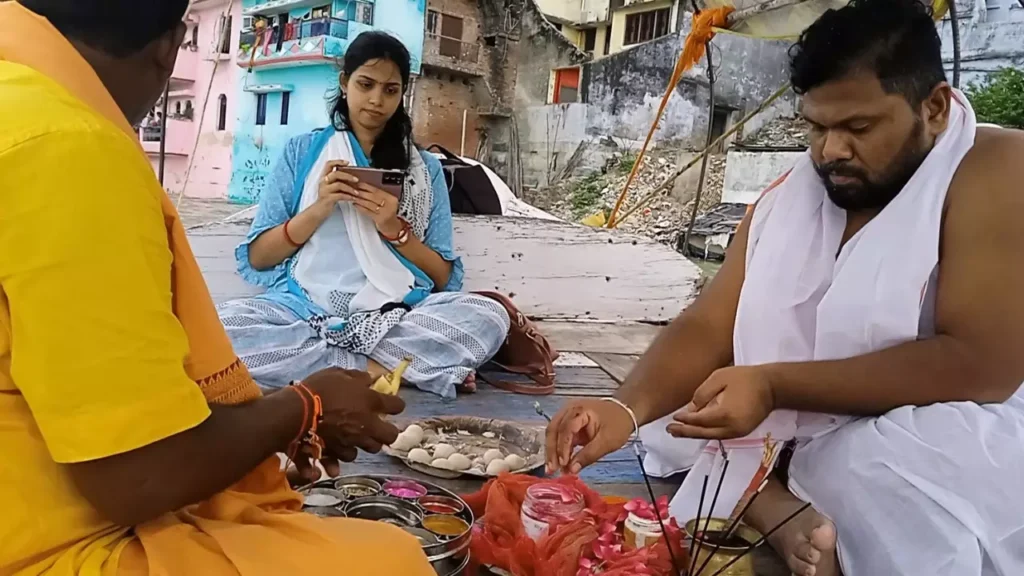
Image of a pandit doing tarpan rituals Pitrupaksha Shradh Rituals
Pind daan 7 min read

Understanding the Sacred Duty of Pitrupaksha Shradh Rituals

What are the essential Pitrupaksha Shradh rituals mandated by our sacred Puranas, and why are they considered a fundamental duty for Hindus? This exploration delves into the profound significance of this fortnight, a time when the veil to Pitṛloka thins, calling us to fulfill our Pitṛ Yajna and discharge the vital Pitṛ Ṛṇa (ancestral debt). Understand why performing these rites with shraddha (faith) is crucial for providing nourishment (tṛpti) to our ancestors and aiding their spiritual journey towards liberation. Discover the core components mandated by Shastra: the meticulous Shraddha ceremony performed by the Karta, the offering of water and sesame through Tarpan, the symbolic Pinda Daana using rice balls, and the respectful feeding of Brahmins (Brahmin Bhojana). Learn about the heightened potency of these rituals when performed on specific tithis, especially Mahalaya Amavasya, or at sacred Tirthas like Gaya. Why did even the great Karna need to return to Earth specifically to offer food during this period? Uncover the Puranic beliefs surrounding ancestral blessings and how performing these duties reinforces Dharma, connects us to our lineage (Gotra), and preserves the timeless traditions of Sanatana Dharma.

Pitrupaksha 2023
Pitrupaksha 5 min read

Guidance on Pitrupaksha 2025 Rituals and Technology

As Pitrupaksha 2025 approaches, how do we navigate the intersection of ancient ancestral rites and modern technology? This sacred fortnight, deeply rooted in Puranic scriptures like the Garuda and Markandeya Puranas, mandates Shraddha rituals to honor our Pitṛs and discharge the vital Pitṛ Ṛṇa (ancestral debt). The Puranas teach that during this time, ancestors visit, seeking nourishment (tṛpti) through offerings like Pinda Daana and Tarpana, performed with unwavering faith (shraddha). Satisfied ancestors bestow profound blessings, while neglect may cause disruptions. But can technology truly fulfill these sacred duties? While online platforms, virtual ceremonies, and digital tributes offer new ways to connect and remember, how do they align with the scriptural emphasis on the Karta's physical participation, tangible offerings (dravya), and focused ritual actions (kriya)? This exploration delves into the Shastric perspective, evaluating whether virtual means can substitute the core physical acts deemed essential for efficacy. Discover guidelines for achieving Dharmic harmony, using technology judiciously as an aid (upakarana) for learning or coordination, but never as a replacement (pratinidhi) for the authentic, personal performance of Shraddha that upholds the sanctity of this profound ancestral veneration.

Why We Honor Ancestors
Pitru Loka 7 min read

The Puranic Imperative of Pitrupaksha Celebrations in 2025

As the sacred fortnight approaches, what is the true Puranic significance behind the upcoming Pitrupaksha Celebrations in 2025? Is it merely an ancient custom, or a vital scriptural injunction rooted in eternal Dharma? Our Puranas teach that during this period, the veil to Pitṛloka thins, allowing ancestors to visit, eagerly awaiting our offerings. Why is performing Shraddha, Tarpana, and Pinda Daana considered a non-negotiable duty, a fundamental Pitṛ Yajna to discharge the profound Pitṛ Ṛṇa (ancestral debt)? Discover the Puranic accounts, like the poignant story of Karna needing to return to Earth specifically for Anna-daan, that highlight the irreplaceable importance of these rites. Neglecting this duty is warned against, potentially leading to obstacles, while sincere observance bestows blessings of progeny, prosperity, and well-being. How should one approach the Pitrupaksha Celebrations in 2025, upholding Shastric traditions in our contemporary world? Can modern adaptations truly fulfill the Puranic emphasis on tangible offerings and personal involvement? Explore the timeless mandate for ancestral veneration and prepare to engage in these potent ceremonies with faith and understanding.

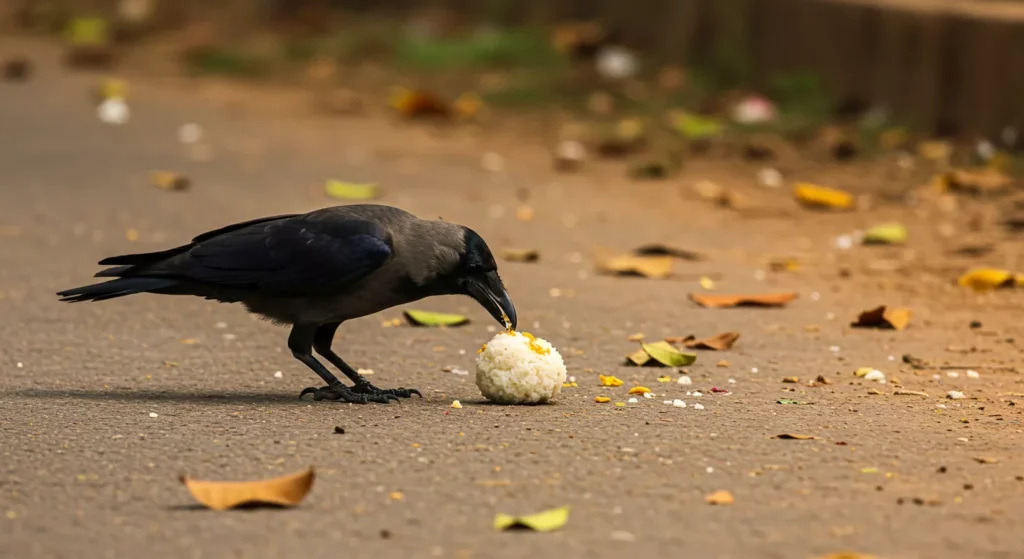
Image of a crow eating pindas- Dwitiya Shraddha in Pitrupaksha
Pitrupaksha 2 min read

Important Dates: Dwitiya Shraddha in Pitrupaksha

Are you planning to observe Dwitiya Shraddha during Pitru Paksha in 2025 and seeking the most precise and auspicious timings for the rituals? Honoring family members who passed away on Dwitiya Tithi (the second day of either lunar fortnight) is a vital part of ancestral reverence, and knowing the exact window for these Parvan Shraddhas, also called Dooj Shraddha, is key. For 2025, the Dwitiya Tithi spans from September 8th (09:11 PM) to September 9th (06:28 PM). But when on September 9th should you conduct the ceremonies? The scriptures specify highly propitious periods: for New Delhi, the Kutup Muhurat is noted around 11:53 AM to 12:43 PM, followed by the Rohina Muhurat (e.g., 12:43 PM to 01:33 PM), and the broader Aparahna Kaal (e.g., 01:33 PM to 04:03 PM). While these provide excellent guidance, remember that Muhurat timings are location-dependent. How can you ensure you are performing the rites, concluding with Tarpan, at the most spiritually potent moment for your specific geographical area? With Pitru Paksha commencing on September 7th and ending on September 21st in 2025, understanding these details for Dwitiya Shraddha becomes crucial. Are you prepared to align your devotion with these celestial timings to offer the most profound homage?

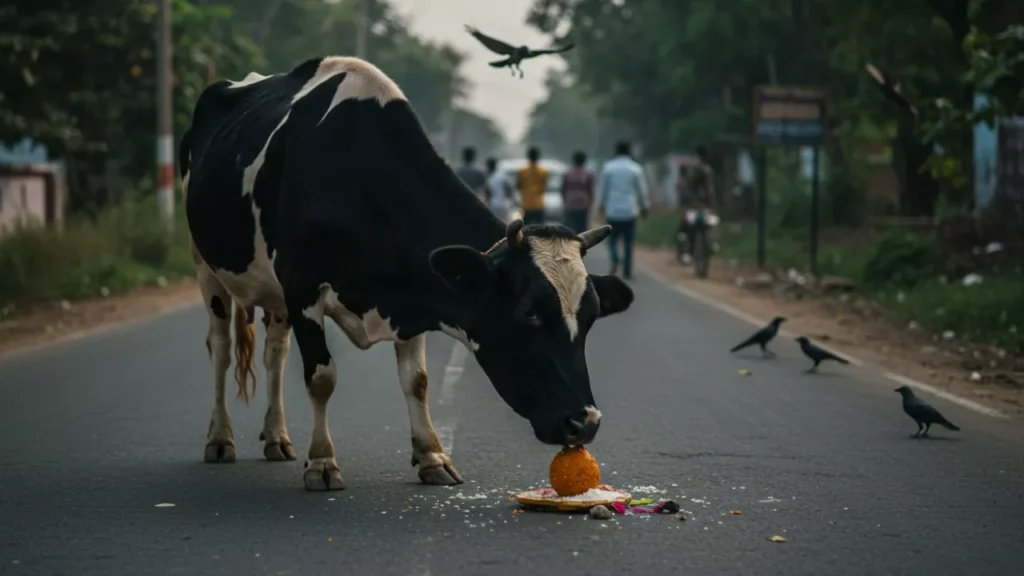
Image of a cow eating pinda- Pratipada Shraddha in Pitrupaksha
Pitrupaksha 2 min read

Important Dates: Pratipada Shraddha in Pitrupaksha

As Pitru Paksha 2025 commences on September 7th, the very first day, September 8th, holds special importance as Pratipada Shraddha, also known as Padwa Shraddha. Do you know if this is the day you should be observing Shraddha for your departed loved ones? This sacred day is specifically dedicated to ancestors who passed away on Pratipada Tithi, whether during the bright (Shukla) or dark (Krishna) lunar fortnight. Interestingly, it also offers a crucial opportunity to perform rites for maternal grandparents (Nana-Nani) if their exact death tithi is unknown or if there's no one else to fulfill this duty. The Pratipada Tithi itself begins late on September 7th (11:38 PM) and extends through most of September 8th, 2025, ending at 09:11 PM. But within this window, when are the most divinely ordained moments to perform these Parvan Shraddhas? The scriptures emphasize auspicious periods like Kutup Muhurat (around midday, e.g., 11:53 AM - 12:44 PM for New Delhi), followed by Rohina Muhurat, and the broader Aparahna Kaal. How can you pinpoint these precise, potent timings, which can vary by location, to ensure your offerings and Tarpan reach your ancestors effectively? Understanding these nuances is key to honoring your lineage with true devotion. Are you prepared to observe this first crucial Shraddha with complete clarity?

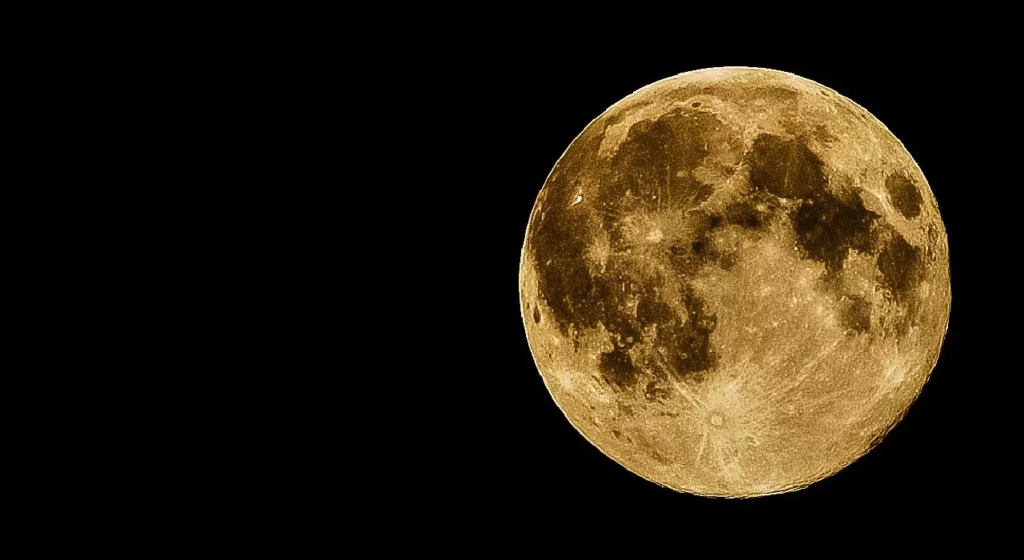
Important Dates: Purnima Shradh in Pitrupaksha
Pitrupaksha 2 min read

Important Dates: Purnima Shradh in Pitrupaksha

The sacred 16-day period of Pitru Paksha in 2025 commences on Sunday, September 7th, with the observance of Purnima Shraddha. Also known as Proshthapadi Purnima Shraddha, this day is specifically dedicated to honoring ancestors who passed away on a Purnima (full moon) tithi. Are you prepared to perform the Parvan Shraddha for your departed loved ones on this significant day that marks the very beginning of the ancestral fortnight? The Purnima Tithi on September 7, 2025, begins at 01:41 AM and concludes at 11:38 PM, making it prevalent for the day's rituals. To ensure your offerings hold maximum spiritual significance, performing them during auspicious times (muhurats) is crucial. The generally recommended periods include Kutup Muhurat (e.g., 12:00 PM to 12:50 PM), followed by Rohina Muhurat (e.g., 12:50 PM to 01:39 PM), and the broader Aparahna Kaal (e.g., 01:39 PM to 04:09 PM). Keep in mind that these timings can vary slightly based on your geographical location. The culmination of the Shraddha ritual is typically marked by Tarpan, the reverent offering of water. With Pitru Paksha extending until Sarva Pitru Amavasya on September 21, 2025, understanding the nuances of Purnima Shraddha sets the right tone for this period of deep ancestral connection. How will you ensure your observances are both heartfelt and precisely timed?

Unlock the Meaning: How Pitru Paksha Connects Modern Hindus to Their Roots
Pitrupaksha 7 min read

Unlock the Meaning: How Pitru Paksha Connects Modern Hindus to Their Roots

In a world rapidly changing, how do ancient traditions maintain their profound relevance, especially for contemporary Hindus seeking a connection to their heritage? This insightful exploration reveals how Pitru Paksha Connects Modern Hindus to Their Roots, acting as more than just a set of rituals; it's a vital spiritual and cultural anchor. Have you ever wondered how the meticulous performance of Shraddha, the offering of sacred food like Ksheeram and Lapsi, or the purifying act of Tarpanam by holy rivers, truly nourishes not just ancestral souls but also the spiritual lives of their descendants today? This article delves into the deep philosophical underpinnings of Pitru Paksha, linking it to core Hindu concepts like Samsara, the inescapable Law of Karma, the sacred Rina Traya (three debts), and the ultimate pursuit of Moksha. How do these ancient wisdoms resonate with modern life, fostering a sense of community, inspiring acts of charity (Daana), and strengthening familial bonds across generations, even for the global Hindu diaspora far from their ancestral land? Could this "fortnight of the ancestors" be a powerful means to preserve cultural identity and pass on timeless values in our fast-paced world? Journey with us to understand how Pitru Paksha serves as an eternal flame, illuminating the path for Hindus to cherish their past, live mindfully in the present, and build a spiritually enriched future.

Image of a person doing pind daan - Understanding Pitru Paksha
Pitrupaksha 7 min read

Understanding Pitru Paksha: A Fortnight of Ancestral Communion

What truly lies behind the solemn sixteen-day observance of Pitru Paksha? Is it merely a set of ancient customs, or does a deeper spiritual wisdom guide this 'fortnight of the ancestors'? This exploration offers a profound Understanding Pitru Paksha, delving into why devout Hindus worldwide dedicate this period to honoring their departed forebears. Why is it believed that ancestral souls draw closer to us during this specific time, and how do sacred rituals like Shraddha – the offering of specially prepared foods like Ksheeram and Lapsika – and Tarpanam – the libation of consecrated water – truly nourish and bring peace to these spirits? Could the careful performance of these duties, traditionally by the Karta of the family, influence not just the ancestors' journey but also the lives of the living? We'll uncover the philosophical bedrock of these practices, from the eternal cycle of Samsara and the sacred Pitru Rina (ancestral debt) to the importance of self-discipline and charity (Daana) during this time. How does this ancient tradition continue to foster deep familial bonds and connect modern Hindus, even those in the diaspora, to their cultural roots and the timeless understanding of the soul's immortal journey? Prepare to see Pitru Paksha not just as a ritual, but as a luminous bridge to your heritage.

A monthly reading

One essay, one scripture reference, one calendar note for the month ahead. Nothing else. Never promotional.

REQUEST VIA COORDINATOR DESK · 12 ISSUES A YEAR · NO SPAM