Blog · Guidance on ancestry, scripture and practice
ग्रन्थालय

Pitrupaksha Blog

Explore the existing Pitrupaksha.org article library, including guidance on important dates, traditions, sacred sites and ancestral rites.

217
articles
Showing 12 of 217
Sorted by Most recent
What is Pitrupaksha
Pitrupaksha 12 min read

What is Pitrupaksha? | Meaning, Rituals & Significance Explained

Unlock the profound significance of Pitrupaksha, the sacred fortnight dedicated entirely to honoring your ancestors! Imagine a special window in time, typically during the waning moon of the Hindu month of Ashwin (September-October), when the veil between our world and the ancestral realm thins. This isn't merely an old custom; Pitrupaksha is a vital period when our departed Pitrus (ancestors) are believed to draw closer, seeking remembrance, gratitude, and nourishment from their descendants. It's a powerful call to fulfill our sacred duty (Dharma) and acknowledge the immense debt (Pitru Rin) we owe for our very existence and lineage. Engage in time-honored rituals like Shraddha (offerings with faith), Tarpan (water offerings to quench ancestral thirst), and Pinda Daan (food offerings for sustenance), performed with sincere feeling (Bhaav). These aren't acts of sorrow but profound expressions of love and connection that transcend death. By participating in Pitrupaksha, you actively provide solace to your ancestors on their journey and, in turn, invite their invaluable blessings (Aashirvad) for your family's peace and prosperity. Don't let misconceptions mislead you; this period is intensely spiritual, focused on strengthening roots and celebrating the unbreakable chain of life. Considering the belief that ancestors visit during this time, how might consciously dedicating even small acts of remembrance during Pitrupaksha shift your perspective on your own life and legacy?
Pitru Rina and Pitra Dosha
Pitrudosha 9 min read

Pitru Rina and Pitra Dosha: Understanding the Consequences of Neglecting Ancestral Duty

Unlock the secrets of your lineage and discover the profound power held within! This exploration illuminates Pitru Rina, the sacred debt we owe our ancestors. Far from a mere transaction, it's an acknowledgment of life itself, the nurturing received, our inherited lineage, and the very opportunity to experience our earthly journey and pursue Dharma. Imagine this ancestral connection not as a chain, but as a lifeline, a source of profound strength and identity that shapes our present. Honoring Pitru Rina through heartfelt Shraddha rituals, Tarpan, and by living a virtuous life, especially during the sacred period of Pitrupaksha, transforms duty into a deeply loving act, ensuring ancestral blessings flow and nourish your very roots. But what happens if this vital bond is neglected or forgotten? The wisdom shared warns of Pitra Dosha, an energetic imbalance stemming from unfulfilled ancestral duties or the unresolved karmic echoes within the lineage. This isn't a malicious curse from departed souls, but rather a subtle disruption that can manifest as persistent, unexplained obstacles in your health, career progression, family harmony, or inner peace. Recognizing and addressing Pitra Dosha through sincere remorse and the dedicated performance of prescribed rituals becomes crucial for healing these disturbances. This journey from 'debt' to 'devotion' is a powerful invitation to transform ancient knowledge into a vibrant, living practice, fostering deep connection, profound healing, and inviting the abundant flow of ancestral grace directly into your life. Considering these profound connections, how might consciously honoring your ancestors transform the subtle energies that shape your daily experiences and future path?

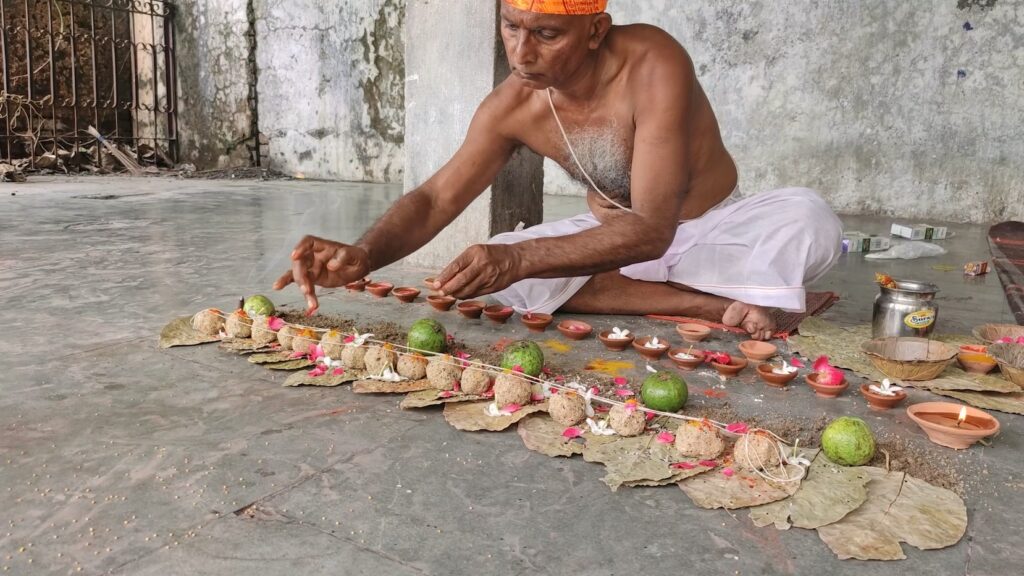
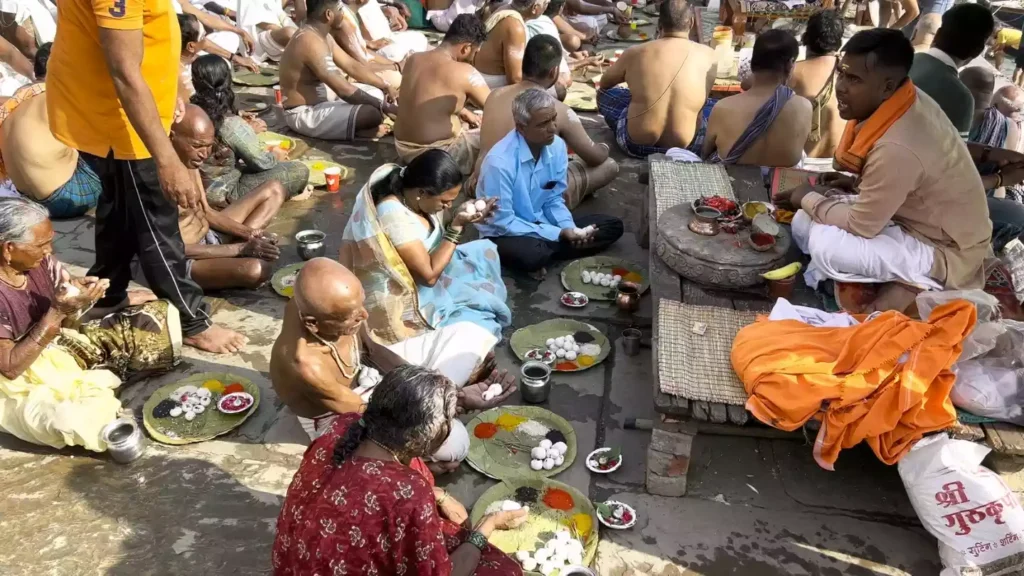
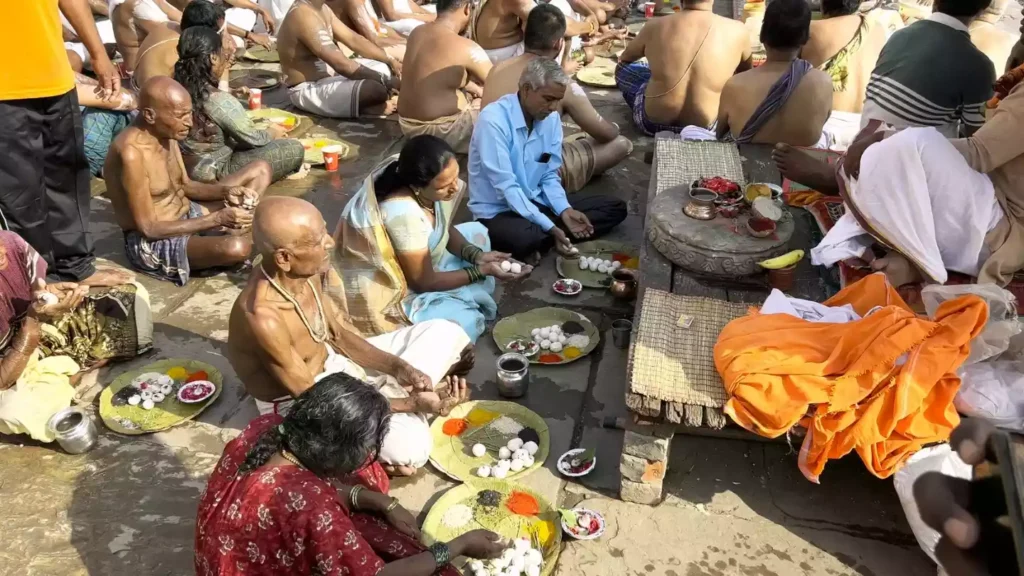
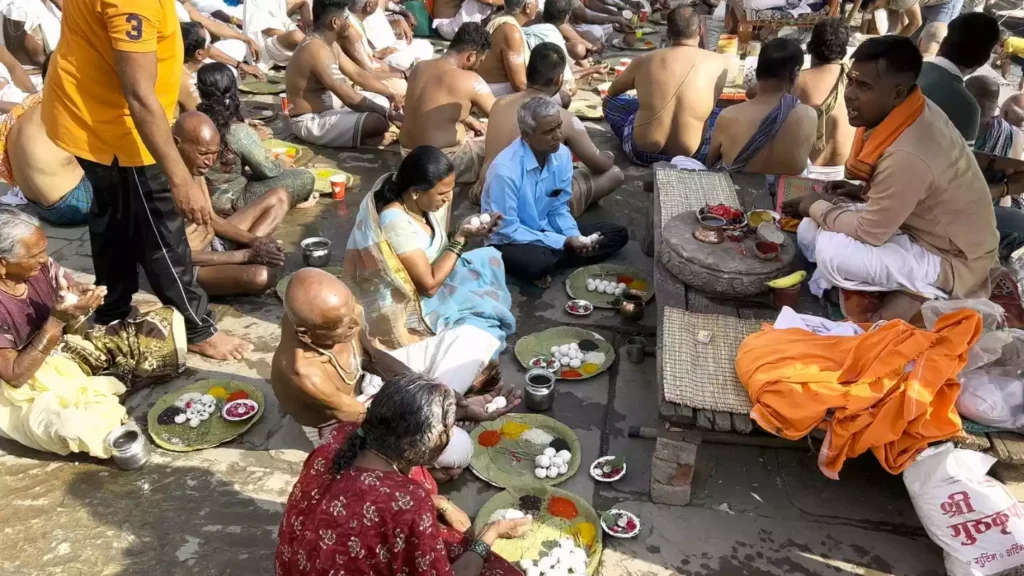
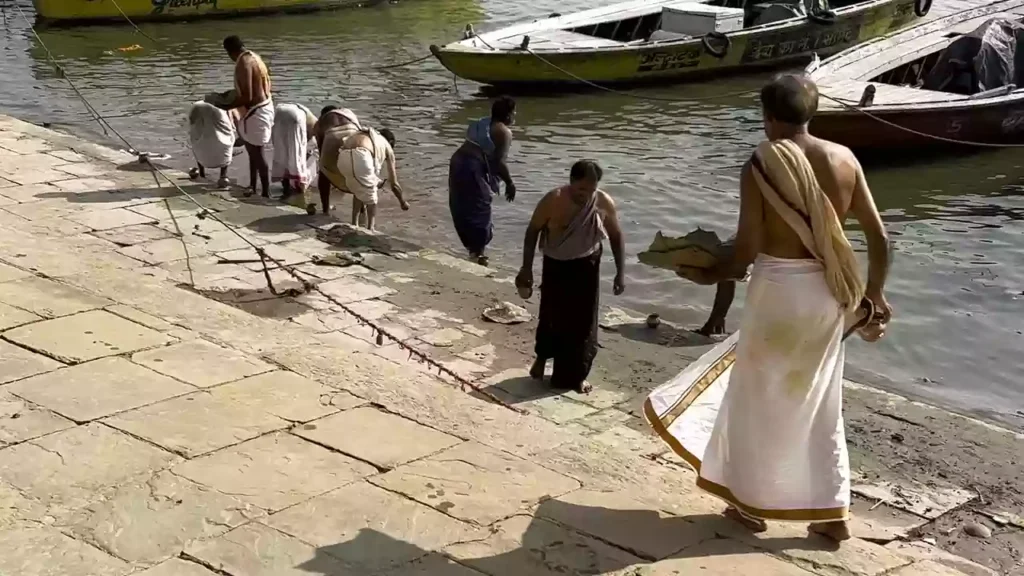
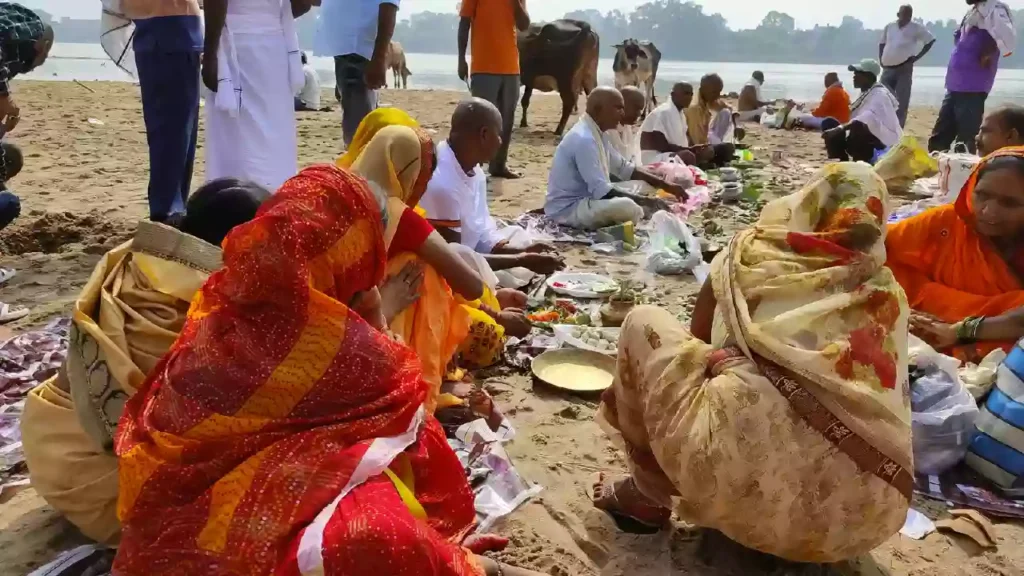
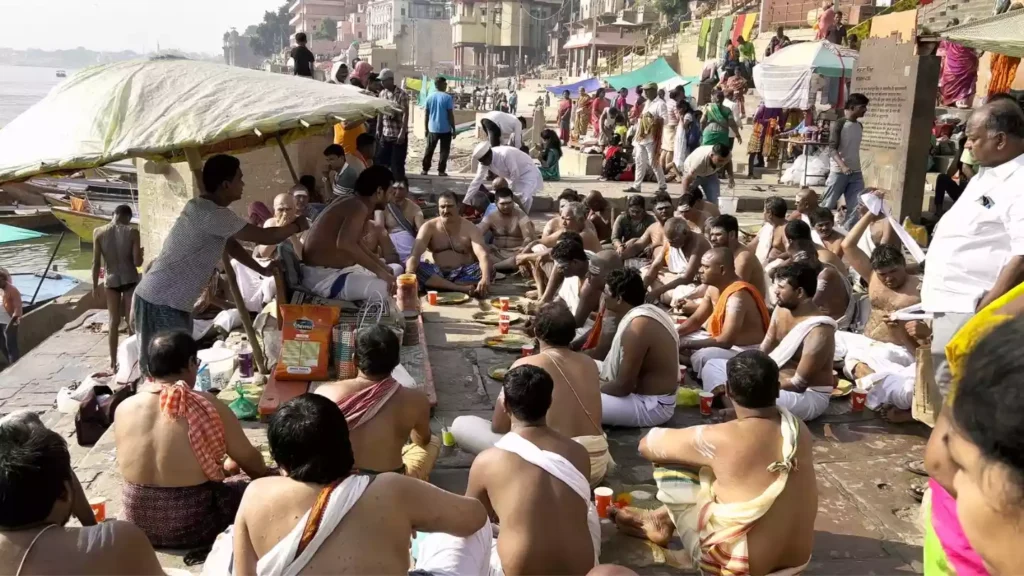
Image of group doing pind daan near the varanasi ghats- Varanasi Pitrupaksha Rituals
Ancestors 7 min read

Varanasi Pitrupaksha Rituals (Kashi): The Luminous Heart of Bharat, Where Ancestors Await Liberation

What makes Varanasi, the ancient city of Kashi, the ultimate destination for honoring our ancestors during the sacred fortnight of Pitrupaksha? Could performing rituals in this "City of Liberation," the very abode of Lord Shiva, truly offer a unique path to peace for departed souls and profound blessings for their descendants? This insightful exploration takes you to the heart of Varanasi Pitrupaksha Rituals, where the ghats of the holy Ganga become vibrant arenas of faith. Imagine immersing yourself in the purifying waters of Ganga Maiyya, witnessing the divine spectacle of the Ganga Aarti, and participating in age-old ceremonies. But what exactly are the core practices like Tarpan – the heartfelt offering of water and sesame seeds – and the supreme Pind Daan, the offering of rice balls believed to grant salvation? How do these rituals, performed with unwavering devotion and guided by learned pandits, nourish the ancestral spirits and bring solace to the living? If you've ever felt a deep connection to your lineage or sought a meaningful way to honor those who came before you, could the unique spiritual magnetism of Kashi during Pitrupaksha hold the answers? Discover the profound significance of these ancient traditions and the transformative experiences of countless devotees who find more than just ritual; they find a timeless connection to their roots and a fulfillment of sacred duty. Is Kashi where your ancestors await their liberation?

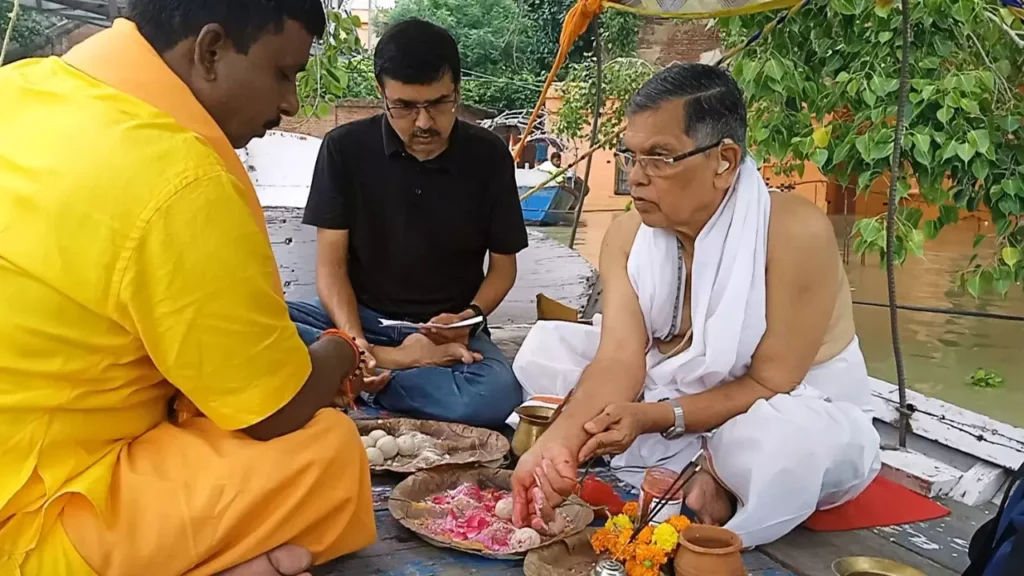
Image of a person doing pind daan rituals- Pitrupaksha Journey from Gaya to Badrinath
Pitrupaksha 8 min read

An Ancestral Trail: A Pilgrims Pitrupaksha Journey from Gaya to Badrinath

What if a physical journey could also be a profound spiritual pilgrimage, connecting you deeply with your ancestors and the very essence of ancient traditions? Imagine embarking on a sacred Pitrupaksha Journey from Gaya to Badrinath – an odyssey that moves from the hallowed plains of ancestral liberation to the majestic Himalayan abode of divinity. Why is Gaya, with its revered Vishnupad Temple and the mystical Falgu River, considered the paramount site for performing Pind Daan and seeking Moksha for forefathers? What profound power emanates from this 'Pitru Tirtha' that draws countless souls seeking peace for their lineage? Then, picture the transition: ascending towards the snow-capped peaks to Badrinath, one of the holiest Char Dhams. How does the experience of performing ancestral rites at Brahmakapali, amidst the ethereal beauty and spiritual potency of Lord Badrinarayana's abode, differ yet complement the rituals in Gaya? This narrative doesn't just describe locations and ceremonies; it delves into the transformative personal reflections of such a sacred expedition. Could this dual pilgrimage offer more than just the fulfillment of duty – perhaps a deeper understanding of life, death, and the enduring strength of faith? Are you ready to discover how these two spiritual powerhouses, each with its unique ambiance, contribute to a profound and holistic experience of ancestral reverence and spiritual upliftment?

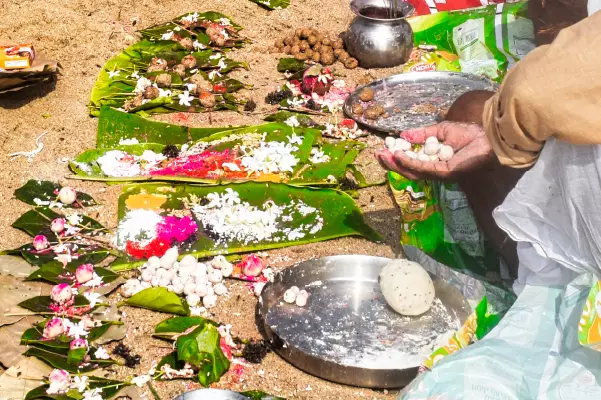
Image of person doing pind daan- Why Pitrupaksha in Prayagraj
Pitrupaksha 7 min read

Why Pitrupaksha in Prayagraj is a Must-Experience for Every Spiritual Seeker

Why is Prayagraj, the "Teertharaj," considered the ultimate destination for Pitrupaksha rituals? What makes this ancient city, at the mystical confluence of the Ganga, Yamuna, and the mythical Saraswati, so uniquely potent for honoring our ancestors? This exploration delves into the profound reasons, from the unparalleled sanctity of the Triveni Sangam, where a single dip is believed to cleanse lifetimes of karma, to the sacred vibrations of ancient ashrams sanctified by Rishis. How does performing Pind Daan and Tarpan at Prayag amplify their merit, potentially leading to the ancestors' Moksha? Could the very air of this holy city, alive with the wisdom of saints and the faith of countless pilgrims, offer a transformative experience beyond mere ritual? If you're seeking to understand why countless devotees journey to Prayagraj to connect with their lineage and seek blessings, and what unique spiritual benefits this sacred land offers during the fortnight of the ancestors, this article unveils the answers. What transformative power awaits when ancestral reverence meets the spiritual heart of Bharat?

What is Pitrupaksha?
Pitrupaksha 3 min read

Ancestral Magic: How Gaya, Prayagraj, and Varanasi Celebrate Pitrupaksha

How does one truly celebrate Pitrupaksha, that sacred 'Fortnight of Ancestors,' beyond mere obligation, transforming it into a profound journey of connection and remembrance? While observed across India, the experience takes on an unparalleled spiritual depth in the ancient cities of Gaya, Prayagraj, and Varanasi. What makes these specific locations the epicenters for those looking to honor their lineage and connect with departed souls? In Gaya, at the heart of which lies the revered Vishnupad Temple, the air itself seems to vibrate with ancestral blessings, especially as families perform Pind Daan by the mystical Falgu River. But what unique spiritual currents flow at Prayagraj's Triveni Sangam, where the Ganga, Yamuna, and mythical Saraswati merge, drawing countless devotees for holy dips and elaborate ceremonies? And how does timeless Varanasi, with its vibrant ghats like Dashashwamedh, offer a distinct tapestry of rituals, chants, and ancient lore during this period? Each city, steeped in history and divine legend, provides a unique lens through which to engage with this tradition. Are you ready to uncover how these sacred sites transform Pitrupaksha from a set of rituals into an unforgettable experience, forging a tangible bridge to your past and offering a deeper understanding of life's eternal cycle? This exploration will guide you through the magic.

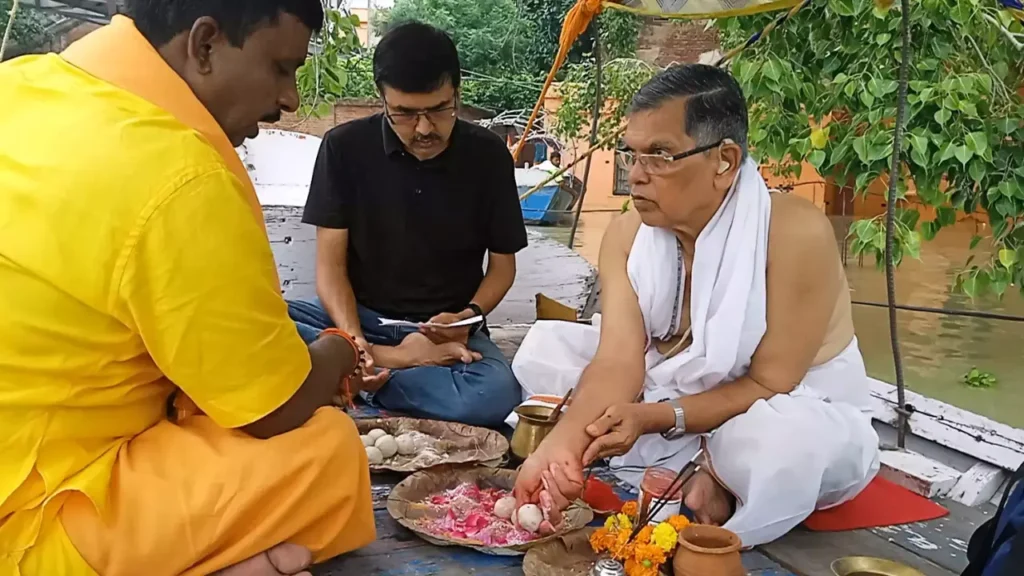
Image of person doing pind daan- Pitru Paksha in Hinduism
Pitrupaksha 8 min read

Meaning of Pitru Paksha in Hinduism: Ancestral Reverence, Philosophical Resonance

What lies beyond the familiar rituals of Pitru Paksha, the sacred fortnight for honoring our ancestors? Is it merely a set of traditions, or does it unlock a deeper understanding of life, death, and our place in the cosmic order? This profound exploration delves into the true Meaning of Pitru Paksha in Hinduism, revealing its intricate connections to the foundational pillars of Hindu philosophy. How does this annual observance reflect the grand cycle of Samsara, the eternal journey of the soul through birth and rebirth? In what ways does the immutable law of Karma weave through generations, and how can the rites performed during Pitru Paksha influence this delicate karmic web for both ancestors and descendants? Could seeking ancestral blessings (Pitru Ashirvada) actually aid in the ultimate pursuit of Moksha, or liberation? Furthermore, how does fulfilling Pitru Dharma align with our overall righteous duties, and what does the concept of the immortal Atman teach us about the enduring spiritual connection that transcends physical death? If you've ever contemplated the deeper spiritual truths embedded within Hindu practices, this article offers a luminous perspective, transforming the rituals of Pitru Paksha into a living expression of profound philosophical wisdom. Are you ready to uncover how these ancestral rites serve as a microcosm of Sanatana Dharma itself?

Image of a group doing pind daan- Symbolism in PitruPaksha
Pitrupaksha 5 min read

Decoding the Symbolism in PitruPaksha: A Spiritual Perspective

Have you ever wondered about the deeper meanings hidden within ancient rituals? The Hindu observance of Pitru Paksha, a fortnight dedicated to honoring ancestors, is rich with profound symbolism that transcends mere tradition. But what do these age-old practices truly signify about life, death, and our connection to those who came before us? This article decodes the intricate Symbolism in PitruPaksha, inviting you to look beyond the surface. Why is this period observed during the waning moon (Krishna Paksha), and what does this celestial phase represent about letting go and introspection? What is the true essence of offering food and Pindas (rice balls) – is it simply nourishment, or does it point to the soul's journey and the body's elemental transformation? When water is offered in Tarpan, what does this vital element tell us about the cyclical nature of existence and the unbroken bond with our ancestors? Even acts like fasting and feeding the needy hold significant symbolic weight, reflecting purification and the universal cycle of giving. Could engaging with these rituals offer more than just solace, perhaps serving as a poignant reminder of life's transience and the importance of a virtuous life? Delve into this exploration to understand the spiritual tapestry woven into Pitru Paksha, gaining insights that resonate with our understanding of existence itself.

Cover · Pitrupaksha
Pitrupaksha 3 min read

Exploring the Astronomical Aspects of PitruPaksha: The Lunar Connection

Have you ever gazed at the moon and wondered about its deeper connection to ancient spiritual practices? The Hindu observance of Pitru Paksha, a sacred fortnight dedicated to honoring ancestors, is a fascinating example where the cosmos directly influences tradition. But what exactly are the Astronomical Aspects of PitruPaksha that dictate its timing and amplify the sanctity of its rituals? How does the waning phase of the moon, the Krishna Paksha, create a spiritual channel to the ancestral realm, making it the ideal time for these rites? This article unveils the celestial mechanics behind this revered period, exploring why it commences after the full moon in Bhadrapada and culminates on Mahalaya Amavasya, the new moon day considered most potent for ancestral offerings. What makes specific 'Muhurtas' or timings within this period crucial for performing Shraddha and Tarpan, and how did ancient sages so precisely integrate these lunar patterns into enduring practices? Even today, in our technologically advanced world, the adherence to these lunar calculations remains steadfast. Could understanding this seamless blend of astronomy and spirituality offer a more profound appreciation for our enduring connection not just to our ancestors, but to the vast cosmos itself? Journey with us to explore how the heavens themselves guide one of Hinduism's most significant ancestral ceremonies.

Image of a group doing pind daan rituals- An Interplay of Astronomy
Uncategorized 5 min read

An Interplay of Astronomy, Rituals, and Beliefs: PitruPaksha

Ever wondered how the cosmos influences our most sacred traditions? The Hindu observance of Pitru Paksha, a 16-day period dedicated to honoring departed ancestors, is a compelling example of An Interplay of Astronomy, Rituals, and Beliefs: Pitru Paksha. But what specific celestial alignments dictate this solemn fortnight, and how do they deepen its spiritual significance? How does the waning phase of the moon, Krishna Paksha, create the perfect atmosphere for introspection and ancestral remembrance, and why is the sun's transition into the Virgo zodiac sign pivotal for its commencement? This article delves into the fascinating astronomical connections that underpin Pitru Paksha, explaining how the Hindu lunar calendar, the sun's position during rituals like Tarpan and Pinda Daan, and even the alignment of the moon with specific Nakshatras like Poorvabhadrapada, play crucial roles. What if the occurrence of a solar or lunar eclipse during this period could actually enhance the potency of these ancestral rites? If you're intrigued by how ancient wisdom seamlessly integrated celestial movements with profound spiritual practices to honor lineage, and how understanding this connection can enrich your perspective on such traditions, then you're in the right place. What deeper meanings are unveiled when we look to the stars to understand our connection with our forebears?

Group of people doing pindd Daan- Pitru Paksha Around the World
Ancestors 15 min read

Pitru Paksha Around the World: A Global Perspective on Ancestral Worship

Have you ever wondered if the deep reverence for ancestors observed during Pitru Paksha is unique to Hindu tradition, or if this fundamental human impulse echoes across diverse cultures? This fascinating exploration takes you on a global journey, revealing how the spirit of Pitru Paksha Around the World manifests in myriad captivating ways. While Sanatana Dharma prescribes specific rituals like Shradh and Tarpan to honor our forefathers, what similar practices exist in the Himalayan kingdom of Nepal, the ancient lands of China, or the vibrant islands of Japan? Could China's "Ghost Festival" (Zhongyuan Jie), with its offerings of spirit money, or Japan's joyful Obon, welcoming ancestral spirits with lanterns and dances, share a common thread with our solemn Pitru Paksha? What about Korea's Chuseok harvest festival, so deeply intertwined with ancestral rites, or the colorful and celebratory Dia de Los Muertos in Mexico, where families build elaborate ofrendas for their departed? Even ancient Celtic traditions like Samhain show a profound connection to ancestral spirits during liminal times. This article delves into these diverse global practices, highlighting the striking similarities in intent—honoring lineage, ensuring ancestral peace, and acknowledging the enduring bond between generations. Are you ready to discover how the world unites in remembering and revering those who came before, showcasing a universal chorus of filial piety and love?

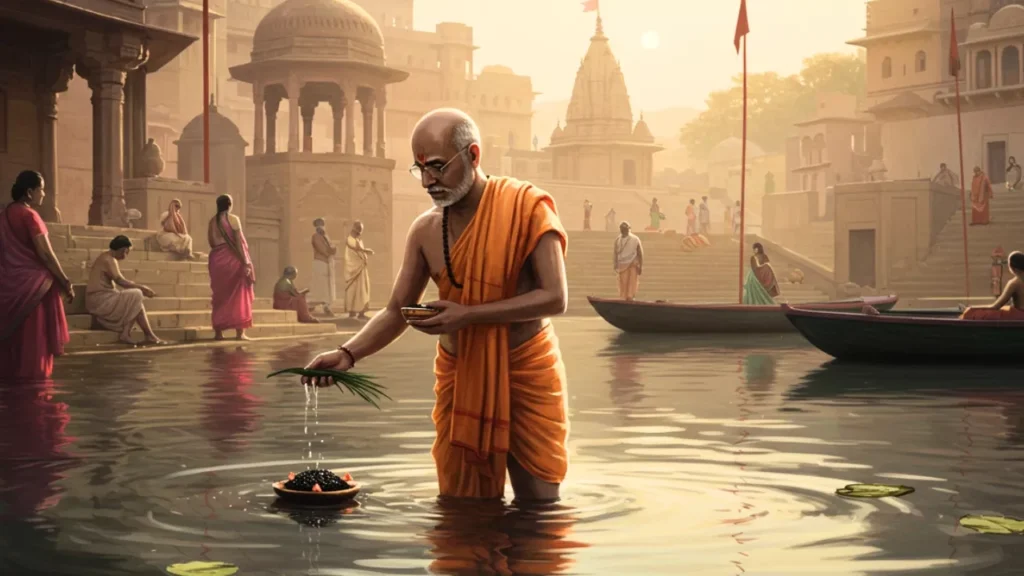
Image of a pandit doing tarpan ritual- Psychological Aspects of PitruPaksha
Uncategorized 10 min read

Psychological Aspects of PitruPaksha: A Healing Perspective

How do we truly navigate the universal experience of grief and keep the memory of our loved ones alive in a healthy, healing way? The sacred Hindu fortnight of Pitru Paksha offers more than just age-old rituals; it provides a profoundly insightful framework addressing the core Psychological Aspects of Pitru Paksha. Have you ever wondered if there's a healthier way to process loss than simply trying to 'move on'? This period isn't merely about performing duties; it's a divinely sanctioned space for remembrance, allowing for expressed grief and transforming individual sorrow into shared honor, thereby strengthening familial bonds and preventing the isolation that often accompanies loss. But how exactly do specific rituals like Shradh – the careful preparation of favored foods – and Tarpan – the symbolic offering of water – act as therapeutic balms for the grieving heart? Could these ancient practices, steeped in symbolism and mindful action, genuinely guide us towards closure and acceptance of impermanence? What if this annual, structured engagement with themes of life, death, and lineage also subtly builds our inner resilience and cultivates powerful virtues like gratitude (Kritajnata) and generosity (Daana), leading to lasting mental harmony? This exploration delves into the sophisticated wisdom embedded within these ancestral rites, revealing their deep understanding of the human psyche. Are you ready to discover how this ancient tradition provides timeless guidance for navigating loss and fostering profound inner peace in our modern lives?

A monthly reading

One essay, one scripture reference, one calendar note for the month ahead. Nothing else. Never promotional.

REQUEST VIA COORDINATOR DESK · 12 ISSUES A YEAR · NO SPAM