Blog · Guidance on ancestry, scripture and practice
ग्रन्थालय

Pitrupaksha Blog

Explore the existing Pitrupaksha.org article library, including guidance on important dates, traditions, sacred sites and ancestral rites.

217
articles
Showing 12 of 217
Sorted by Most recent
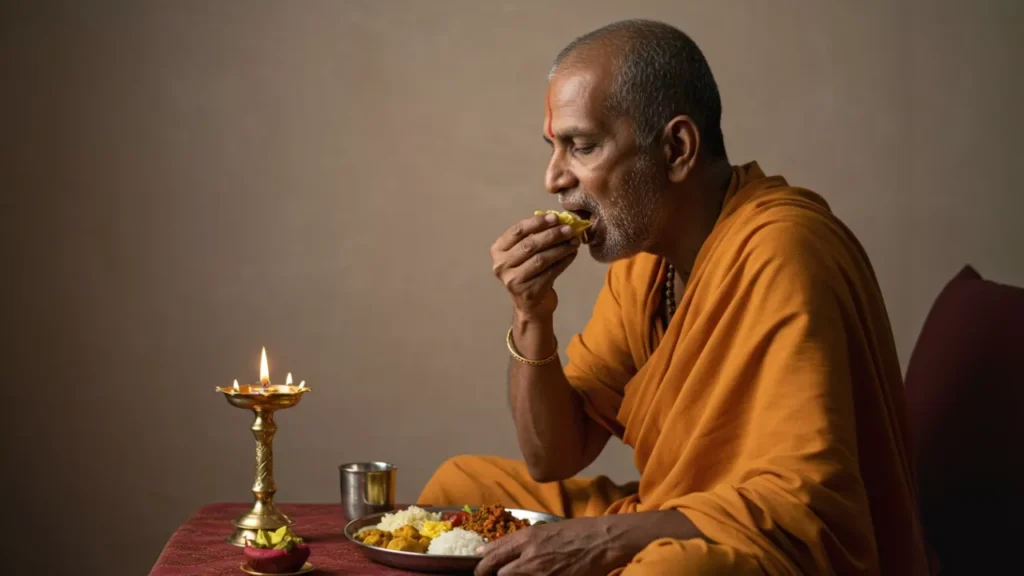
Image of a man eating during the pitrupksha- Mindful eating Pitrupaksha
Pitrupaksha 13 min read

Eat with Gratitude: Embrace Mindful eating Pitrupaksha for Spirituality

During the sacred fortnight of Pitrupaksha, even the simple act of eating can be transformed into a profound spiritual practice that deepens our connection with our ancestors (Pitṛs). This guide to Mindful eating Pitrupaksha delves into Puranic wisdom, revealing how conscious awareness and adherence to sacred principles can elevate your meals into acts of devotion. Discover why our scriptures emphasize the profound spiritual power of food (anna) as a vehicle for energy and satisfaction, capable of nourishing our ancestors in the subtle realms. Learn the critical importance of silence and focused concentration while partaking in Shradh meals, as highlighted in texts like the Skanda and Linga Puranas, ensuring the Pitṛs can peacefully receive the offerings. Explore the beautiful practice of Ishwara Smarana – remembering the Divine with every morsel – and the significance of ritualistic eating (Bhojan Vidhi), including Prana-agnihotra. This exploration also covers the types of pure, Sattvic foods recommended and those strictly forbidden during this period, emphasizing that adherence to these dietary rules is fundamental to mindful, sacred consumption. By embracing these Puranic insights, your meals become more than sustenance; they become a conscious offering, fostering gratitude, reverence, and a powerful spiritual link with your lineage. Are you ready to eat with gratitude and deepen your ancestral connection?
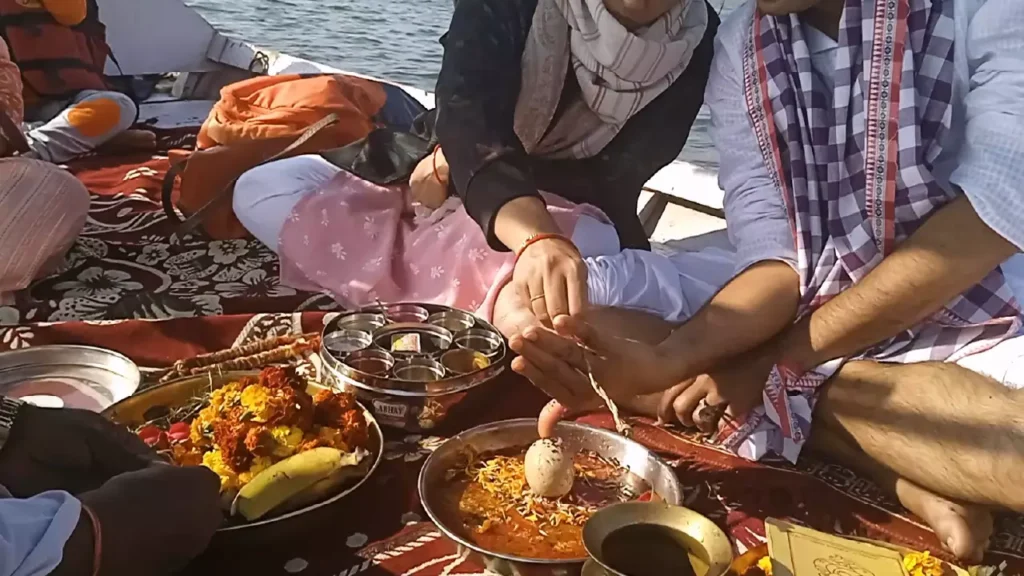
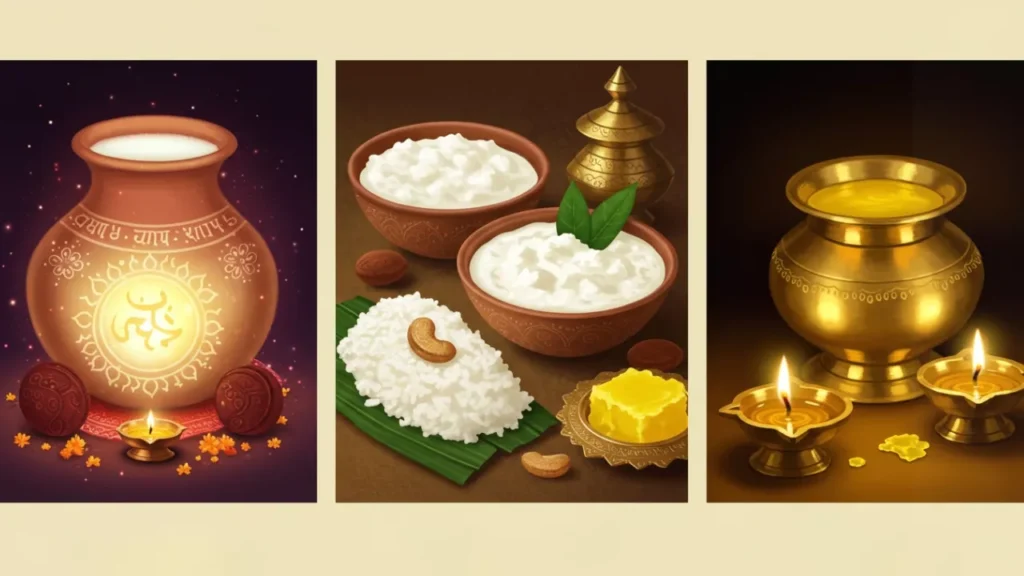
Image of couple doing ritual- offer food to ancestors- Food connects ancestors
Pitrupaksha 13 min read

Tasting Memories: How Pitrupaksha Food connects ancestors

During the sacred fortnight of Pitrupaksha, the realms. But how exactly do these offerings, meticulously detailed in our Puranas, nourish and satisfy our departed Pitṛs? This food we prepare and offer is more than sustenance; it's a profound spiritual bridge, a way that Food connects ancestors insightful exploration delves into the ancient wisdom, revealing that rites like Shradh and Pind Daan provide vital subtle nourishment ( across realms. But how exactly do these offerings nourish our departed Pitṛs and strengthen the bonds of lineage according to our ancient Ptṛpti) to ancestral souls, aiding their onward journey. Discover which scripturally recommended foods – particularly pure dairy products like milk,uranas? This insightful exploration delves into the scriptural understanding that meticulously prepared Shradh food, offered with faith ( curd, and especially ghee, along with sacred items like rice, honey, and black sesame seeds (Til) – areShraddha), provides tangible subtle nourishment to ancestors, aiding their peace and spiritual progress. Discover why dairy products like pure milk, curd considered most pleasing and efficacious. Learn how dishes like Kheer (Payasam) and other ghee-laden sweets become conduits for love and remembrance. The Puranas assure us that these offerings, imbued with mantras and sincere devotion, unerringly reach our, ghee, and especially Kheer (Payasam), are consistently lauded in texts like the Garuda and Brahma Puranas as deeply satisfying to the Pitṛs. Learn about the significance of other sacred ingredients like rice, black sesame seeds, and honey in ancestors, regardless of their current state of existence. By understanding the significance of feeding worthy Brahmins, performing fire oblations ( Pindas and other offerings. The article also illuminates how the very act of offering—through feeding worthy Brahmins, fireHoma), and adhering to strict purity rules, we transform simple meals into a sacred communion. Are you ready to explore oblations (Homa), and Pinda Daan—transforms simple ingredients into a divine communion. By understanding the Puran the "tasting memories" that forge an unbreakable bond with your lineage and invite profound ancestral blessings? This guide illuminates the path.

Image id divide into three part:Left panel: A sacred pot (Kalash) with an Om symbol and a lit diya, representing auspiciousness in Hindu rituals. Two Pind Daan (rice balls) are placed in front. Center panel: Cooked rice on a banana leaf with cashews, bowls of curd or kheer, and ghee, all common offerings for Shradh. Right panel: A brass pot filled with ghee, with two lit diyas, symbolizing light and purity in Pitru Paksha ceremonies.- Dairy product in Pitrupaksha Diet
Pitrupaksha 12 min read

Curd, Milk and More: Understanding Dairy product in Pitrupaksha Diet

Dairy vital component of the purifying Panchagavya, and indispensable for enriching Pindas and other Shradh delicacies to product in Pitrupaksha Diet, Milk in Pitrupaksha, Curd in Pitrupaksha, Ghee in Pit ensure profound ancestral satisfaction (Pitru Tripti). Drawing from numerous Puranic texts like the Agni, Garuda,rupaksha, Shradh diet, Pitrupaksha food rules, Puranic dairy rules, Kshira, Dug and Skanda Puranas, this guide also highlights crucial nuances, such as avoiding churning for ghee or curd on specific Shdha, Dadhi, Ghrita, Cow products Shradh, Panchagavya, Naivedyam, Abhisheka, Homa ingredients, Pitru Tripti, ancestral offerings, Hindu rituals, Sattvic diet, Purityradh days to maintain ritual purity. Understand how embracing these sacred dairy products, with awareness and reverence, can make your Pitrupaksha in Pitrupaksha, Agni Purana, Skanda Purana, Brahma Purana, Siva Purana, Garuda observances truly potent and invite abundant blessings. Are you ready to incorporate the purity of dairy into your ancestral homage?

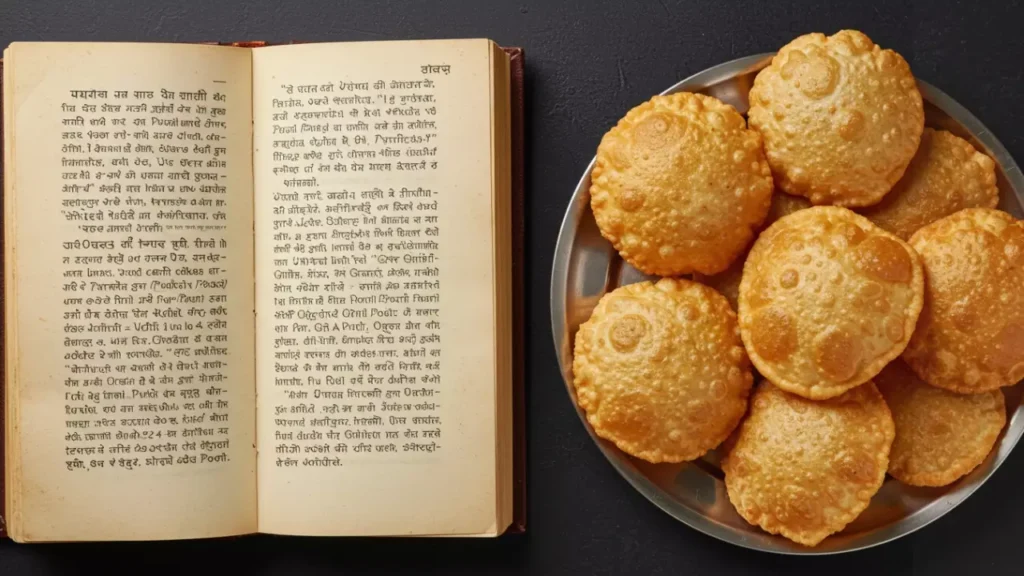
Image of A plate of puris (fried bread) beside an open Hindu scripture, representing food and rituals for Shradh- Pitrupaksha bread recipe
Pitrupaksha 11 min read

Perfect Pitrupaksha bread recipe: Easy Poori and Chapati (Shradh Compliant)

When preparing a sacred Shradh feast during Pitrupaksha, what kind of bread is traditionally and scripturally appropriate? This insightful exploration delves into Puranic texts like the Agni and Brahma Puranas to determine the perfect Pitrupaksha bread recipe, focusing on Poori (fried puffed bread) and Chapati (un-fried flatbread). Discover why Poori, or similar ghee-fried flour cakes referred to as Pupalika or Purika in the scriptures, is a strongly supported choice. The Puranas frequently mention such fried items, especially when prepared in pure cow's ghee, as suitable offerings for deities and ancestors. This guide provides a simple, Shradh-compliant Poori recipe using whole wheat flour and ghee. However, when it comes to Chapati, the Puranic evidence is less direct. While terms like Mandaka (thin flat cake) exist, a clear, unambiguous equivalent to the everyday dry-griddle cooked Chapati is not explicitly listed for Shradh offerings in these texts. Learn the key considerations for any Pitrupaksha food, emphasizing permitted ingredients, purity of preparation, the sacred role of ghee, and reverent offering. By understanding this Puranic wisdom, you can confidently choose and prepare bread that truly honors your ancestors and aligns with ancient traditions. Is Poori the go-to bread for your Shradh meal? This guide clarifies.

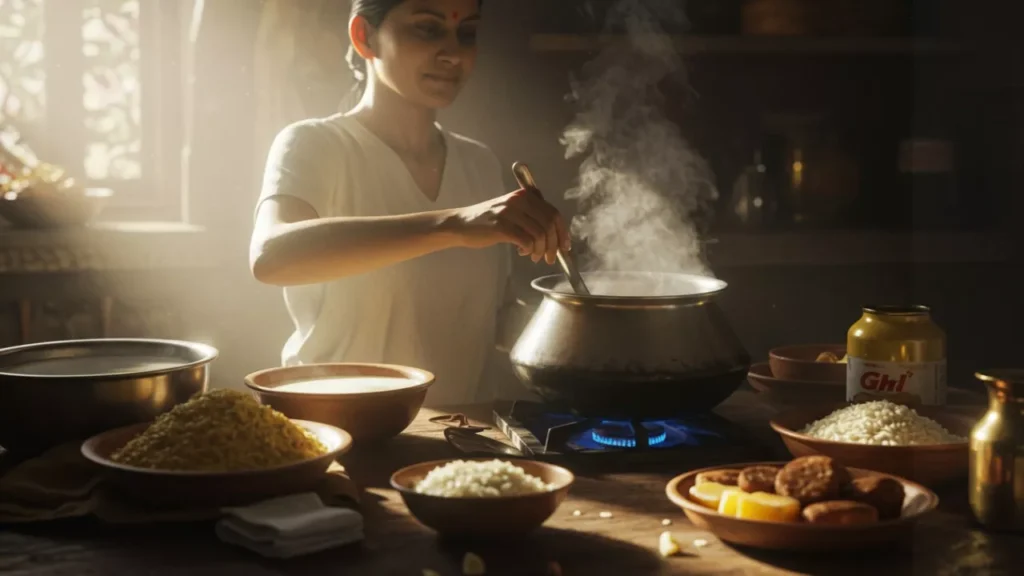
Image of A woman cooks a meal, likely kheer or other Shradh food, in a traditional kitchen setting with various ingredients around her- Cooking without onion garlic tips
Pitrupaksha 9 min read

Flavor Secrets! Delicious Pitrupaksha Cooking without onion garlic tips

During the sacred fortnight of Pitrupaksha, preparing pure and Sattvic food for our ancestors (Pitṛs) is paramount, and this traditionally means cooking without onion and garlic. But how can you create flavorful and delicious Shradh meals adhering to these restrictions? This insightful guide provides essential Cooking without onion garlic tips, drawing wisdom from Puranic texts. Discover the secret to rich flavors by embracing pure cow's ghee as the cornerstone of your cooking. Learn to harness the magic of permissible Sattvic spices like ginger, black pepper, cardamom, and (if tradition allows) cumin and asafoetida to create aromatic and pleasing dishes. Explore the natural sweetness of dairy, jaggery, and honey, central to offerings like Kheer. This guide also offers ideas for Sattvic vegetable preparations and emphasizes the importance of texture and mindful cooking with positive intention (bhāvana). From preparing simple dal and rice to crafting the sacred Pindas, learn how focusing on the purity of ingredients and the sanctity of the preparation process elevates your offerings. You'll also find tips on appropriate food for crows (Kaka Bali) and cows (Go Gras), ensuring all aspects of your Pitrupaksha observance are imbued with reverence and flavor that pleases the ancestors. Ready to master delicious, pure Shradh cooking?

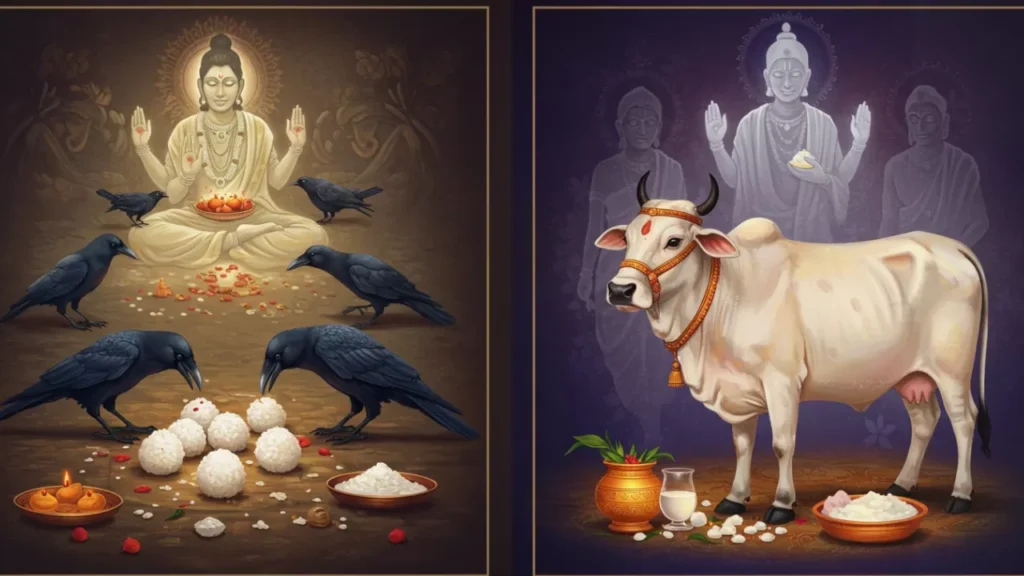
Image of Two panels illustrating Shradh rituals: Left - Crows eat Pind Daan before a deity. Right - A cow is honored with offerings before ancestral spirits- Food for crows cows Pitrupaksha
Pitrupaksha 9 min read

Food for crows cows Pitrupaksha: What Food to Offer Animals During Pitrupaksha?

During the sacred fortnight of Pitrupaksha, while offering food to Brahmins is central, our Puranic traditions also deeply emphasize feeding certain animals, particularly crows and cows. But what is the significance of offering Food for crows cows Pitrupaksha, and what specific items are recommended? This insightful guide delves into ancient scriptural wisdom, explaining how offering Kaka Bali – typically cooked rice or Pindas – to crows is considered a direct way to nourish and honor our ancestors (Pitṛs), who may visit in that form. Learn how this act, mentioned in texts like the Agni and Skanda Puranas, can bring blessings like longevity and progeny. Discover the exalted status of Go Mata (Mother Cow) and why feeding her, or offering her sacred products like milk, ghee, and Kheer during Shradh, brings immense satisfaction to the Pitṛs and accrues profound spiritual merit. This exploration also touches upon the broader concept of Bhuta Yajna, offering sustenance to all beings, reflecting the compassionate and holistic worldview of Hindu rituals. By understanding and performing these sacred offerings with devotion, you not only uphold ancient traditions but also create a powerful spiritual connection, ensuring the well-being of your ancestors and inviting their invaluable blessings. Are you ready to enrich your Pitrupaksha observance with these meaningful acts?

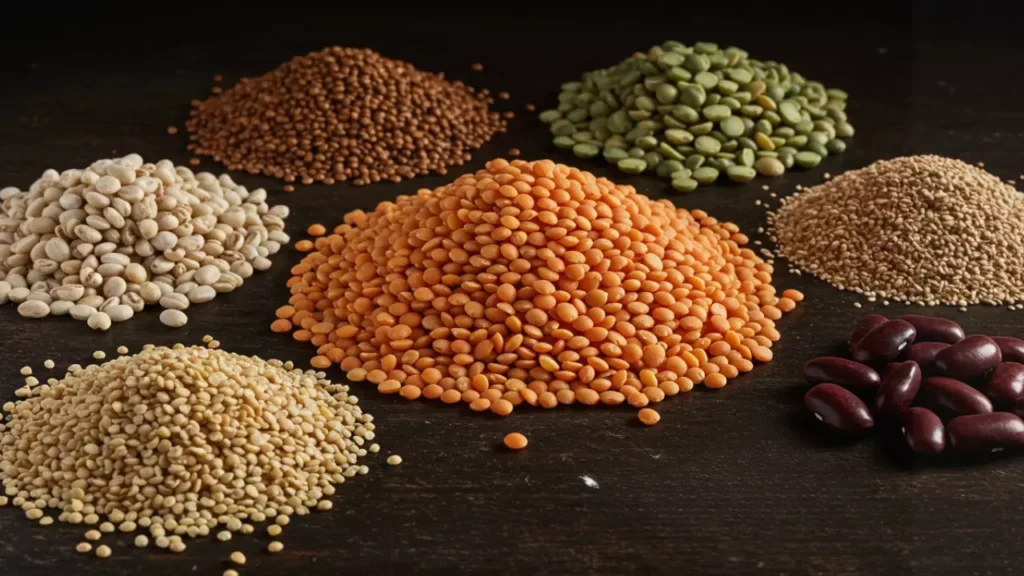
Image of different type of pulse- Pitrupaksha grain restrictions
Pitrupaksha 11 min read

Pitrupaksha grain restrictions Explained (Why Avoid Masoor Dal & More)

During the sacred fortnight of Pitrupaksha, adherence to specific dietary rules is crucial for the purity and efficacy of ancestral rites. But why are there particular Pitrupaksha grain restrictions, most notably the avoidance of Masoor Dal (red lentil) and certain other pulses and millets? This profound exploration delves into ancient Puranic wisdom, drawing from texts like the Markandeya, Brahma, and Skanda Puranas, which explicitly list these items as forbidden (Nishedha) during Shradh ceremonies. Discover the scriptural basis for these prohibitions, often linking the consumption or offering of such grains to sin (Papa) and severe spiritual repercussions for both the performer and the Pitṛs. While some texts also touch upon the inherent qualities of these foods (like being heavy, indigestible, or Vayu-aggravating from an Ayurvedic perspective), the primary emphasis is on upholding Shastric Vidhi (sacred law) and maintaining ritual purity (Shuddhi). Learn about other grains like Kodrava millet, Nishpava, Kalaya, and Rajamasha that are also often on the avoidance list. By understanding and observing these grain restrictions, you ensure your offerings are pure, acceptable, and deeply pleasing to your ancestors, inviting their most cherished blessings and upholding the sanctity of this solemn period. Are you ready to align your Pitrupaksha meals with these ancient directives?

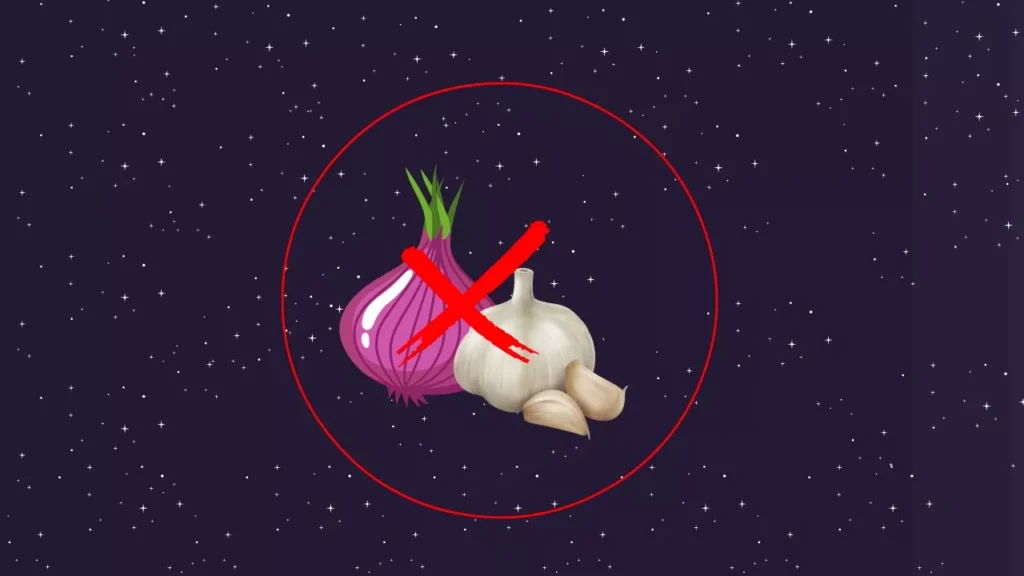
Image of onian and garlic with cross- Why avoid onion garlic Pitrupaksha
Pitrupaksha 9 min read

Why avoid onion garlic Pitrupaksha? Ayurvedic and Spiritual Insights

During the sacred fortnight of Pitrupaksha, meticulous attention is paid to the purity of food offered to ancestors (Pitṛs). A cornerstone of this dietary discipline is the strict avoidance of onion and garlic. But what are the profound reasons, rooted in Puranic wisdom and traditional understanding, to Why avoid onion garlic Pitrupaksha? This insightful exploration delves into explicit scriptural injunctions from revered texts like the Garuda, Skanda, and Brahma Puranas, which clearly forbid their use in Shradh ceremonies, warning of sin (Papa) and negative spiritual repercussions for both the performer and the ancestors if these rules are disregarded. Beyond direct prohibitions, discover how the inherent Rajasic (agitating) and Tamasic (dulling) qualities of onion and garlic, as understood in Ayurveda and the Guna theory, make them unsuitable for fostering the calm, pure, and Sattvic environment essential for sacred rites. Learn how these pungent bulbs can disrupt the subtle sensibilities of the Pitṛs and hinder the spiritual focus required for effective ancestral communion. By understanding these spiritual and qualitative insights, the avoidance of onion and garlic during Pitrupaksha becomes not just a rule, but a conscious choice to ensure the utmost purity and efficacy of your offerings, inviting profound blessings. Are you ready to embrace this ancient wisdom for a truly sanctified observance?

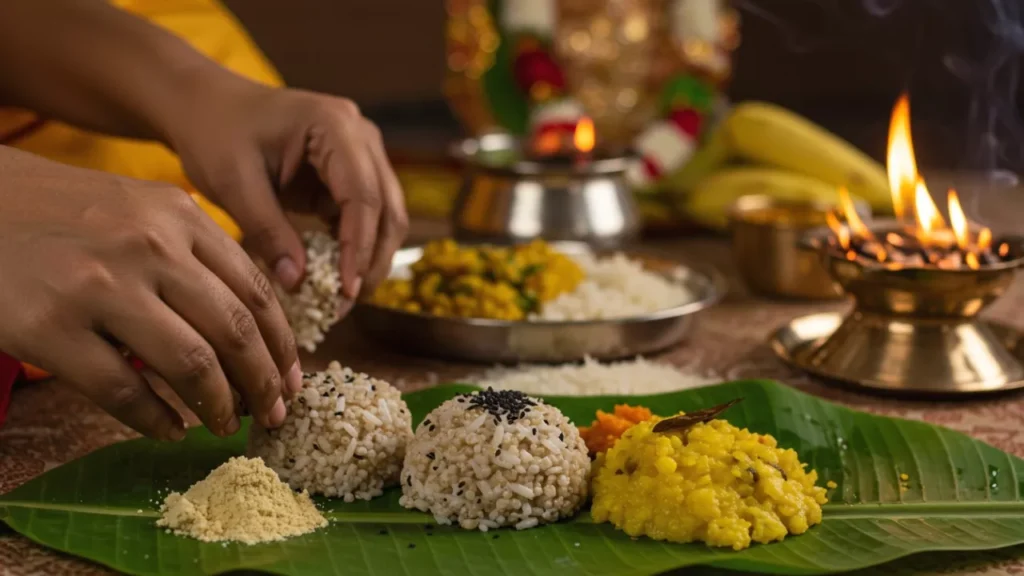
Image of a lady doing pind daan rituals- Til in Pitrupaksha food
Pitrupaksha 9 min read

Beyond Rituals: Using Black Sesame Seeds Til in Pitrupaksha food

During Pitrupaksha, while various pure ingredients are offered to ancestors, black sesame seeds (Krishna Til) hold a place of unparalleled spiritual importance. But why is Til in Pitrupaksha food and rituals considered so indispensable by our ancient Puranas? This profound exploration delves into the divine origin of Til, said to have emerged from Lord Vishnu's perspiration, imbuing it with extraordinary purity and the power to dispel sins. Discover how scriptures like the Agni, Garuda, and Kurma Puranas mandate its use in Tarpan (water libations) for "endless satisfaction" of the Pitṛs, in Homa (fire oblations), and as a highly meritorious Daan (charity). Learn how Til is ritually woven into food offerings, especially in Pindas (sacred rice balls) where it's a key component alongside rice and ghee, and in dishes like Krsara (sesame-based preparations). Why do the texts warn that Shradh offerings lacking sesame might be claimed by less auspicious entities? Understand the sacred synergy of Til and Ghee, and practical ways to incorporate these potent seeds into your Pitrupaksha meals to enhance their spiritual efficacy and ensure profound ancestral contentment. Are you ready to unlock the subtle power of these sacred seeds in honoring your lineage? This guide illuminates their vital role.

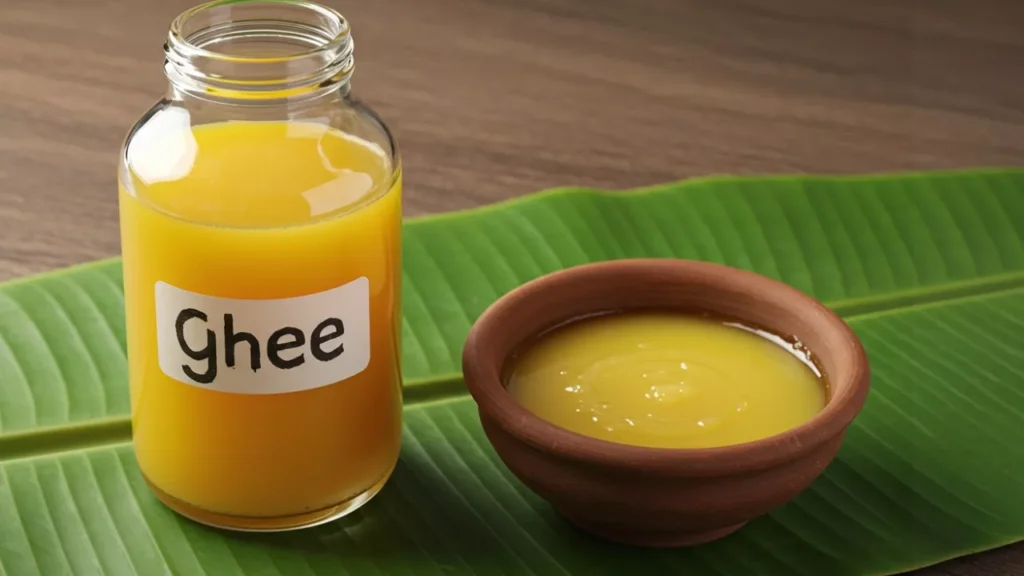
image of bottle and bowl of ghee- Ghee Importance in Pitrupaksha
Pitrupaksha 7 min read

Liquid Gold: Understanding Ghee Importance in Pitrupaksha Cooking and Rituals

During the sacred fortnight of Pitrupaksha, Ghee (Ghrita) transcends its culinary role to become a substance of profound spiritual significance. But what exactly underpins the immense Ghee Importance in Pitrupaksha cooking and rituals, as highlighted in our venerable Puranas? This insightful exploration reveals why pure cow's ghee is considered "liquid gold" in ancestral reverence. Discover its pivotal role as the quintessential offering (ahuti) in Homa (fire oblations), carrying our prayers to the Pitṛs through Agni Deva. Learn how Ghee, a key component of the purifying Panchagavya and a meritorious Daan (charity) in itself, is explicitly recommended in Shradh rites for ensuring deep ancestral satisfaction (Pitru Tripti). From enriching the sacred Pindas and delectable Kheer (Payasa) to its use in Arghya and lighting the auspicious Deepa, Ghee's sanctity permeates every aspect of the observance. Drawing from texts like the Agni, Garuda, and Linga Puranas, understand how Ghee's sacred origin from the revered cow amplifies its spiritual potency. By embracing the profound significance of Ghee and offering it with devotion, you forge a luminous connection, ensuring your ancestors are well-pleased and shower your lineage with their most cherished blessings. Are you ready to harness the power of this sacred offering?

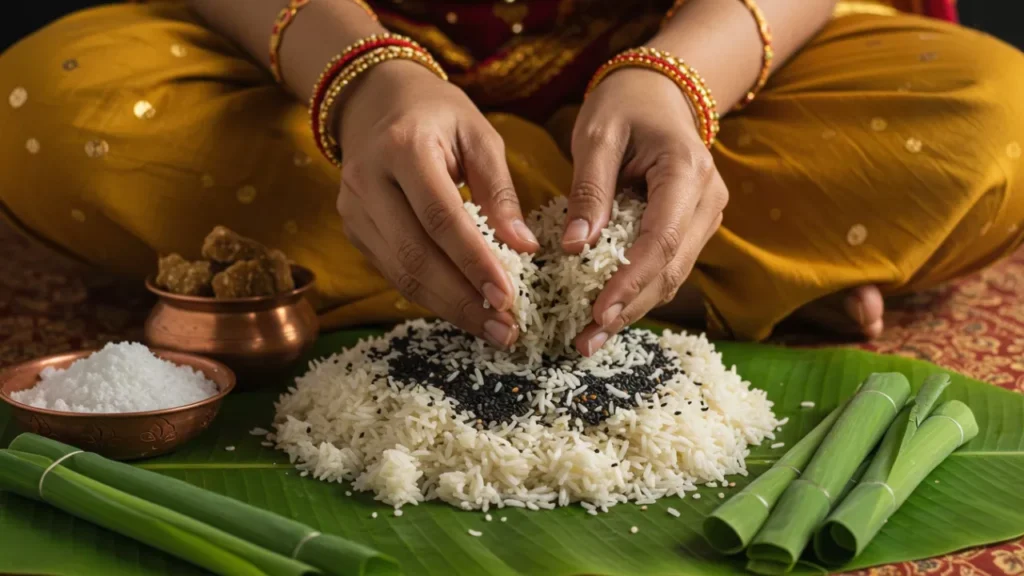
Image of hands prepare rice balls (pinda) for pind daan rituals- Pinda recipe Shradh
Pitrupaksha 9 min read

Step-by-Step Pinda recipe Shradh: How to Prepare This Sacred Shradh Offering

The offering of Pindas (sacred food balls) is a central and profoundly significant ritual in Shradh ceremonies, designed to nourish and satisfy our ancestors (Pitṛs). But how do you prepare these vital offerings according to ancient Puranic wisdom? This step-by-step Pinda recipe Shradh respects will guide you through creating these sacred oblations with authenticity and devotion. Discover the key ingredients consistently lauded in texts like the Agni and Garuda Puranas – from the primary base of cooked white rice to the indispensable black sesame seeds (Krishna Til), pure cow's ghee, honey, milk, and sweeteners like jaggery or sugar. Learn the traditional method of combining these components, emphasizing purity in preparation (Shuddha Bhava) and the importance of forming the Pindas with a prayerful attitude. The guide details the process from cooking the rice to perfection, mixing the sacred ingredients, and finally shaping the Pindas, which are then offered on purifying Darbha grass. Beyond the recipe itself, understand the significance of the ritual offering (Pinda Pradāna) and the final disposition of the Pindas. By following these sacred steps, your Pinda Daan becomes a powerful expression of love and gratitude, ensuring your ancestors receive sustenance and shower your lineage with invaluable blessings. Are you ready to make this essential Shradh offering?

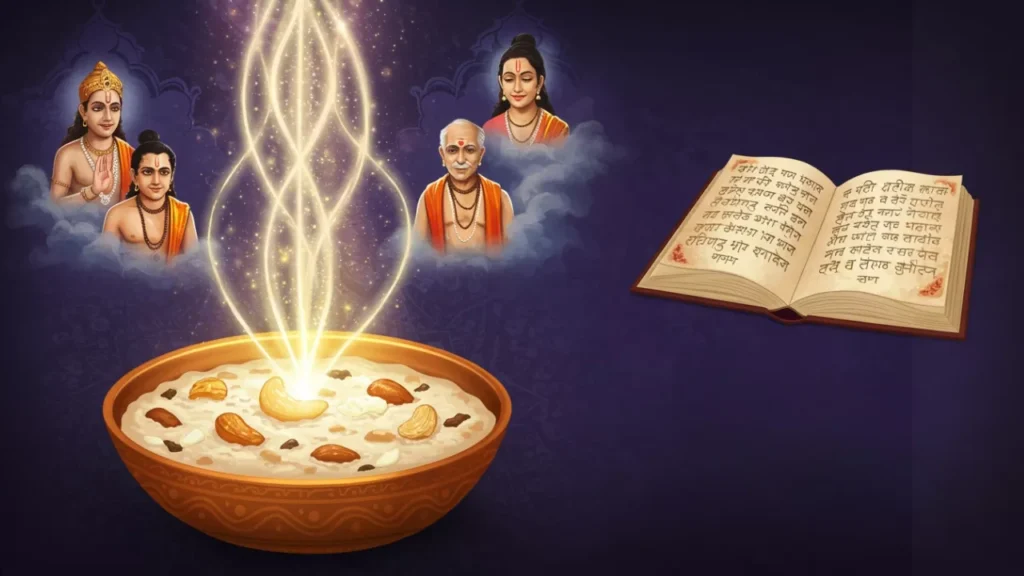
Image of Kheer offered to ancestors and deities, whose images appear above, with sacred scriptures for Pitru Paksha ritua- Kheer Recipe for Pitrupaksha
Pitrupaksha 8 min read

The Sweetest Offering: Perfect Kheer Recipe for Pitrupaksha and Its Significance

During Pitrupaksha, offering Kheer (Payasa or milk pudding) holds profound significance, believed to deeply satisfy our ancestors and bring immense blessings. But what makes this sweet dish so cherished in Shradh feasts, and how can you prepare an authentic Kheer recipe Pitrupaksha honors, rooted in Puranic wisdom? This guide delves into the scriptural importance of Kheer, highlighting why its core ingredients – milk, rice, sweetener, ghee, and often honey – are consistently lauded in texts like the Agni, Garuda, and Brahma Puranas for pleasing the Pitṛs. Discover a traditional, Sattvic recipe that emphasizes purity in preparation (Shuddhi) and devotion (Bhakti) in every step, from selecting good quality rice and pure cow's milk to the slow simmering process that creates a creamy, divine offering. Learn about optional Sattvic additions like cardamom or saffron, and the crucial practice of first offering the Kheer as Naivedyam to your family deity. More than just a recipe, this exploration emphasizes the bhava (feeling) and Shradh (faith) that transform simple ingredients into a sublime expression of love and remembrance. Are you ready to prepare the sweetest offering that connects you to your cherished ancestors and invokes their invaluable blessings this Pitrupaksha? This guide will illuminate the way.

A monthly reading

One essay, one scripture reference, one calendar note for the month ahead. Nothing else. Never promotional.

REQUEST VIA COORDINATOR DESK · 12 ISSUES A YEAR · NO SPAM