Blog · Guidance on ancestry, scripture and practice
ग्रन्थालय

Pitrupaksha Blog

Explore the existing Pitrupaksha.org article library, including guidance on important dates, traditions, sacred sites and ancestral rites.

217
articles
Showing 12 of 217
Sorted by Most recent
Cover · Pitrupaksha
Pitrupaksha 11 min read

Honoring Tradition: Authentic Brahmin Bhojan Recipes for Shradh Feasts

During the sacred period of Shradh (Pitrupaksha), offering a meticulously prepared meal to worthy Brahmins, known as Brahmin Bhojan, is a cornerstone of honoring our ancestors (Pitṛs). But what constitutes authentic Brahmin Bhojan recipes that align with the profound wisdom of our Puranas, ensuring the satisfaction (tṛpti) of our forefathers? This insightful guide delves into the scriptural basis for these sacred feasts, explaining why feeding Brahmins is considered a vital Pitru Yajna. Discover the array of Sattvic foods lauded in texts like the Garuda, Brahma, and Agni Puranas – from foundational rice preparations like simple Odana and divine Kheer (Payasam), to nourishing pulses such as Masha (Urad Dal) and Mudga (Moong Dal). Learn about specific vegetables like Kalasaka, the paramount importance of pure cow's ghee and other dairy products, and the sweet delights, including honey and jaggery, that please the Pitṛs. Beyond the ingredients, this guide also illuminates Puranic directives on the art of preparation, serving with reverence, and crucial foods and actions to avoid ensuring the sanctity of the offering. By understanding these traditional Brahmin Bhojan recipes and principles, you can create a meal that truly nourishes your ancestors, transforming your kitchen into a sacred space and inviting profound blessings upon your lineage. Are you ready to cook a feast fit for your revered Pitṛs?
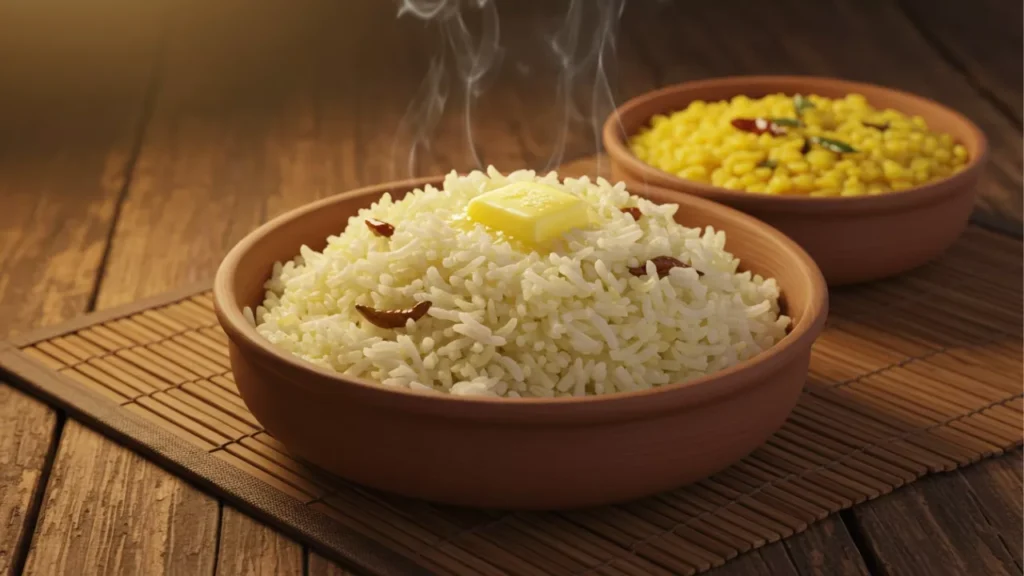
Steaming rice topped with ghee in a clay bowl, with a bowl of dal in the background. This is a staple meal and can be offered as Pind Daan or served during Shradh- Sattvic Lunch Ideas for Pitrupaksha
Pitrupaksha 7 min read

5 Easy and Pure Sattvic Lunch Ideas for Pitrupaksha Meals

During the sacred fortnight of Pitrupaksha, preparing pure and spiritually uplifting meals is a cornerstone of honoring our ancestors. If you're seeking Sattvic Lunch Ideas for Pitrupaksha that align with scriptural wisdom and culinary simplicity, this guide offers five excellent concepts. Drawing inspiration from texts like the Agni and Padma Puranas, discover how to prepare a fundamental meal of Sacred Rice with Ghee & Simple Moong Dal, considered a staple for pure offerings. Indulge in the celestial sweetness of Kheer (Payasam), a highly auspicious milk pudding loved by deities and Pitṛs alike. Explore the lightness of Simple Steamed Vegetables, focusing on permissible and wholesome options. For a cooling and sustaining meal, consider the profound simplicity of Soothing Curd Rice (Dadhyodanam). Lastly, embrace nature's direct bounty with a Platter of Fresh, Permitted Fruits. Each idea emphasizes purity in preparation, freshness, and the avoidance of forbidden items like onion, garlic, and strong spices. Remember, offering this food first to your family deity (Naivedyam) is crucial. By embracing these Sattvic meals, cooked with devotion and adherence to family traditions (Kulachara), you create offerings that truly nourish your ancestors and invite their most cherished blessings. Are you ready to transform your kitchen into a sacred space?

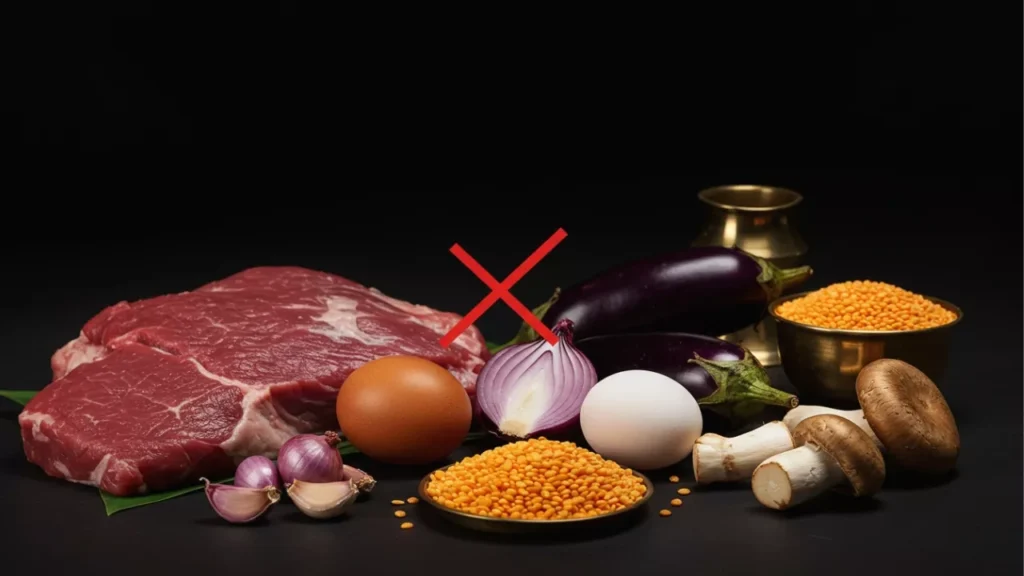
Image of Foods to avoid during Pitru Paksha Shradh: meat, eggs, onion, garlic. Lentils, eggplant, and mushrooms are also shown- Forbidden Foods for Pitrupaksha
Pitrupaksha 8 min read

Forbidden Foods for Pitrupaksha: A Puranic Guide to What You Must Avoid

During the sacred fortnight of Pitrupaksha, the food we offer to our ancestors (Pitṛs) must be of utmost purity to ensure their satisfaction and invite their blessings. But what are the specific Forbidden foods for Pitrupaksha that our Puranic scriptures guide us to avoid? This essential guide delves into the detailed list of items that are considered unsuitable for Shradh offerings and personal consumption during this solemn period. Uncover why all forms of meat, fish, and eggs are strictly off-limits, and why the pungent duo of onion and garlic, along with other Tamasic vegetables like brinjal and radish, must be excluded from your kitchen. Learn about specific lentils, such as Masoor Dal, and certain grains that are proscribed. What do the scriptures say about milk from particular animals or buttermilk churned on specific days? Beyond ingredients, understand the critical importance of avoiding stale, contaminated, or twice-cooked food, and why intoxicants like alcohol are absolutely forbidden. This isn't just about following rules; it's about understanding the spiritual science behind these prohibitions and ensuring your offerings carry the purest vibrations to nourish your ancestors. Are you ready to prepare meals that truly honor your lineage with impeccable purity? This guide will illuminate the path.

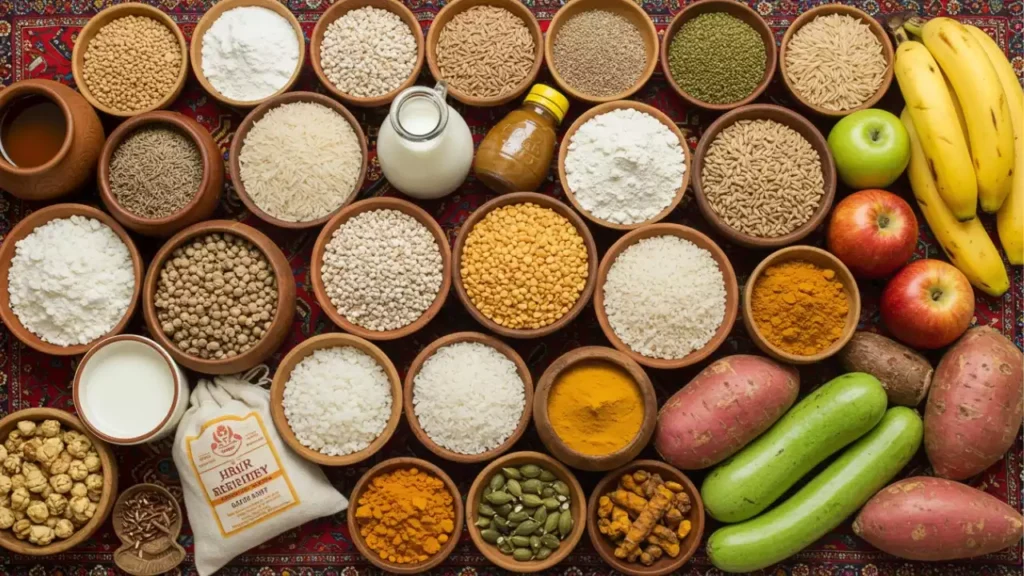
Image of Assortment of grains, lentils, spices, fruits, and vegetables, items commonly used in preparing Shradh offerings- Pitrupaksha Grocery List
Pitrupaksha 10 min read

Your Essential Pitrupaksha Grocery List: A Guide to Permitted Foods

Preparing for Pitrupaksha involves more than just scheduling rituals; it begins with curating a sacred Pitrupaksha Grocery List. The food offered to our ancestors (Pitṛs) must be pure and Sattvic to ensure their satisfaction and bring blessings to our homes. But what specific ingredients align with these ancient culinary principles? This essential guide walks you through selecting permissible grains like unpolished rice and barley, and lentils such as Urad Dal and Moong Dal, while advising against others like Masoor Dal. Discover the paramount importance of pure cow's ghee and milk, and which fruits and natural sweeteners are most suitable for offerings. Navigating vegetables can be tricky; learn which gourds, root vegetables, and greens are generally permitted, and importantly, which ones like onion, garlic, brinjal, and radish are strictly avoided as per Puranic injunctions and traditions. The guide also covers appropriate spices to use, emphasizing rock salt (Sendha Namak), and essential non-food ritual items like black sesame seeds and Kusha grass. By mindfully compiling your grocery list with these principles, you lay the foundation for offerings that are not only nourishing but also spiritually potent, ensuring your culinary devotion truly honors your lineage. Are you ready to stock your kitchen with purity?

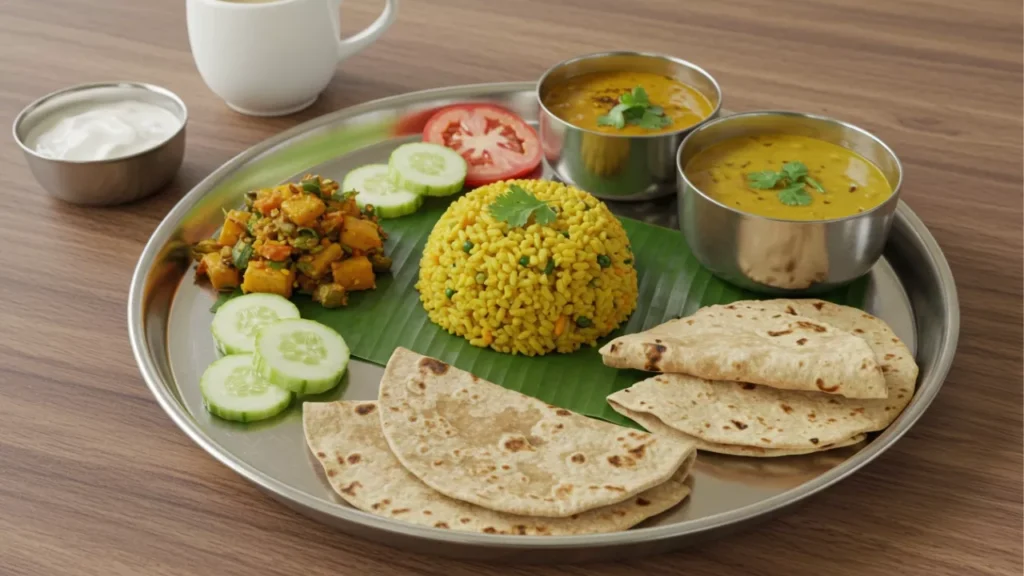
Image of A thali with rice, roti, dal, vegetable curry, salad, and curd; a typical Indian meal. This could be food prepared for Shradh- Sattvic food Pitrupaksha
Pitrupaksha 12 min read

What is Sattvic Food Pitrupaksha? Your Essential Guide to a Pure Shradh Diet

During the sacred fortnight of Pitrupaksha, the food we offer and consume plays a pivotal role in honoring our ancestors. But what exactly constitutes Sattvic food Pitrupaksha, and why is adhering to this pure diet so crucial for the efficacy of Shradh rites? This essential guide delves into the ancient wisdom of the three Gunas (Sattva, Rajas, Tamas), explaining how Sattvic foods – those embodying purity, harmony, and light – elevate our consciousness and create the most suitable offerings for our Pitṛs. Discover which ingredients, like pure cow's milk, ghee, wholesome grains (barley, rice), fresh fruits, and specific vegetables, are recommended by scriptures like the Agni Purana. Conversely, understand why Rajasic (agitating) and Tamasic (dulling) items, such as meat, onion, garlic, and stale food, are strictly avoided. Learn how preparing food in a sacred kitchen (Paakshala) with a pure mind (Pachaka Shuddhi) and offering it first to the Divine (Naivedyam) transforms it into Prasadam, fit for ancestral nourishment. This isn't just about dietary rules; it's about creating a pure channel for your love and prayers to reach your ancestors, ensuring their satisfaction (Pitru Tripti) and inviting their most profound blessings. Are you ready to embrace the path of purity for a truly meaningful Pitrupaksha?

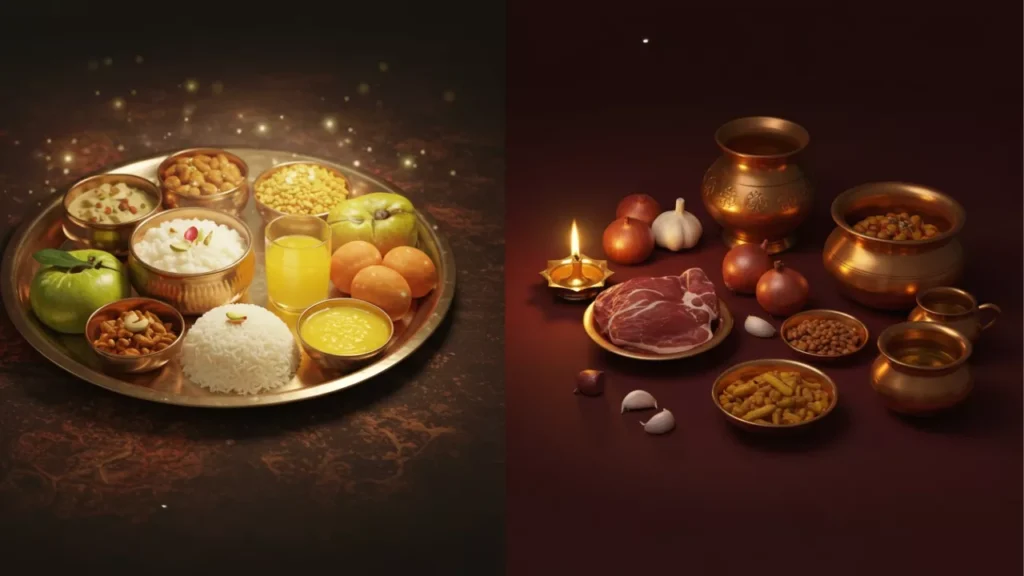
Image of Left: Sattvic food (rice, fruits, sweets) for Shradh. Right: Prohibited tamasic food (meat, onion, garlic)- Pitrupaksha Cooking Principles
Pitrupaksha 14 min read

Pitrupaksha Cooking Principles: A Guide to Purity, Forbidden Foods and Sacred Offerings

The food offered during Pitrupaksha is a sacred communion, a profound expression of love and gratitude towards our ancestors. But what are the essential Pitrupaksha Cooking Principles that transform a meal into a spiritually potent offering capable of nourishing the Pitṛs? This comprehensive guide delves into the vital concept of Shuddhi (purity) – encompassing not just physical cleanliness of the kitchen and ingredients, but also the crucial mental and spiritual purity of the cook (Pachaka Shuddhi). Discover the Puranic wisdom behind forbidden foods like meat, onion, and garlic, and certain lentils, and why freshly prepared, Sattvic meals are paramount. Learn about auspicious ingredients such as Kheer, pure ghee, black sesame seeds, and barley that are believed to greatly please the ancestors. Beyond the ingredients, what are the sacred steps in offering the food – from Naivedyam to the family deity and Agni Homa, to Pinda Pradanam and Kaka Bali? This guide emphasizes that cooking with a prayerful, calm mind, and adhering to family traditions (Kulachara) infuses the food with divine vibrations. By understanding and applying these principles, you ensure your offerings are pure, acceptable, and bring immense satisfaction to your forefathers, inviting their most cherished blessings upon your lineage. Are you ready to make your kitchen a sacred space this Pitrupaksha?

Image of A young person respectfully learns from an elder priest reading scriptures during a ritual, with lit diyas. This could be part of Shradh preparations.- Pitrupaksha spiritual focus
Pitrupaksha 12 min read

Pitrupaksha spiritual focus: Embracing Remembrance and Gratitude in Pitrupaksha

How can we truly make Pitrupaksha a period of profound spiritual connection, moving beyond ritual to embrace deep remembrance and heartfelt gratitude for our ancestors? This insightful guide illuminates the core Pitrupaksha spiritual focus, emphasizing that our offerings of Shradh, Pindadana, and Tarpan are not mere acts but vital expressions of love, nourishing our Pitṛs and helping repay our ancestral debt (Pitra Rin). But what happens if, despite our best intentions, an unintentional error occurs in our observances? Our compassionate Dharma offers Prayashchitta (expiation), not as punishment, but as a path to purification. Learn how sincere repentance, the potent power of mantras like the Gayatri, simple fasting (Upavasa), acts of charity (Dana), and devoted worship (Deva Puja) can rectify inadvertent slips. Discover that the true essence lies in your bhava – the sincere feeling and intention behind your actions. By focusing on genuine remembrance of your ancestors' virtues and sacrifices, and expressing profound gratitude for the lineage they have gifted you, you transform Pitrupaksha into a deeply meaningful spiritual journey. Are you ready to not only perform the rites but also to truly connect with the hearts of your ancestors, ensuring their peace and inviting their most cherished blessings?

Rule book of pitrupaksha- Break Pitrupaksha rule remedy
Pitrupaksha 8 min read

Break Pitrupaksha rule remedy? A Compassionate Guide to Remedies

During the sacred fortnight of Pitrupaksha, despite our best intentions, what happens if you accidentally break a rule—perhaps an unintentional dietary slip or a lapse in ritual purity? Does a minor error negate all your efforts to honor your ancestors? This compassionate guide offers reassurance and practical steps for when you find yourself needing a Break Pitrupaksha rule remedy. Firstly, don't succumb to despair; sincere concern is key. The path to rectification begins with honest acknowledgement and heartfelt repentance before your deities and Pitṛs. Learn how simple purificatory acts like Achamana, increased Japa (chanting mantras like the Gayatri or Pitru Gayatri), or reading sacred texts can help. Discover the power of performing Daan (charity) with a specific intention to atone for the lapse, or observing a short, sincere fast (Upavaas). Should you perform additional Tarpan or seek guidance from a knowledgeable Purohit? Crucially, understand the difference between unintentional errors and wilful neglect, and how our Puranic tradition, emphasizing divine compassion, often views sincere efforts with leniency. Instead of dwelling on the mistake, focus on future vigilance and remember that faith (Shraddha) and devotion (Bhakti) are the most vital offerings to your ancestors. Are you ready to find peace and continue your observances with renewed commitment?

Image of A man prays with cupped hands during a riverside Shradh ritual (Tarpan), guided by a priest with offerings of Pind Daan- Pitrupaksha in Modern Life
Pitrupaksha 9 min read

Observing Pitrupaksha in Modern Life: A Practical Guide to Honoring Ancestors Today

In today's fast-paced world, how can we meaningfully observe Pitrupaksha, ensuring our ancestral duties are fulfilled with reverence despite modern challenges? This practical guide bridges ancient Puranic wisdom with contemporary living, offering accessible ways to honor your Pitṛs. It's not always about elaborate ceremonies; the cornerstone of Pitrupaksha in Modern Life is heartfelt sincerity (Shraddha) and devotion (Bhakti). Discover how to maintain crucial purity (Shuddhi) through a Sattvic diet and ethical conduct (Sadachara), even with a busy schedule. Learn how to perform simplified yet potent ancestral rites like daily Tarpan (water libations) and Pind Daan (food offerings) at home. How can you utilize auspicious timings, like the ancestor's specific tithi or Sarva Pitru Amavasya, and connect with sacred places symbolically if physical travel isn't feasible? This guide also emphasizes the power of Japa (chanting), prayer, scripture reading, and especially Daan (charity) in the name of your ancestors. Crucially, it highlights the importance of fostering family unity and upholding your Kula Parampara (family traditions). By focusing on the spirit of these sacred observances—gratitude, remembrance, and a sincere desire for your ancestors' well-being—you can make Pitrupaksha deeply meaningful and invite profound blessings into your life. Are you ready to adapt timeless traditions for today?

Image of A figure in saffron walks a path of light towards spiritual symbols, surrounded by ancestral spirits, signifying a journey for their peace (Shradh)- Regional Pitrupaksha rules
Pitrupaksha 13 min read

Regional Pitrupaksha rules: Exploring Diverse Customs in Ancestral Worship

While the core duty of honoring ancestors during Pitrupaksha is a universal Hindu tenet, have you ever wondered about the fascinating array of Regional Pitrupaksha rules and customs across India? Why might the Pindas offered in Gaya differ slightly from those in Kashi, or the specific Shradh feast vary from one state to another? This profound exploration delves into the harmonious blend of universal principles and diverse local practices. Learn how the Puranic wisdom, while emphasizing the unwavering sanctity of Pitru Yajna, also inherently supports variations based on Desha (region), Kala (time), and Patra (community). What role do sacred places (Tirthasthal), lineage traditions (Kula Parampara), different Vedic schools (Shakhas), and even local agricultural produce play in shaping these unique customs? From the timing of observances and the composition of Pindas to the specific mantras chanted and the role of women in rituals, discover the beautiful tapestry of ancestral worship in India. Crucially, understand that these variations do not diminish the sanctity of the rites. As long as the core bhaav (intention) of faith and reverence is present, adherence to your authentic family and regional traditions is deeply meritorious. Are you ready to appreciate the unity in diversity that makes Pitrupaksha a truly vibrant and living tradition?

Cover · Pitrupaksha
Pitrupaksha 8 min read

Purpose of Pitrupaksha rules: The Deeper Spiritual Purpose Behind Pitrupaksha Rules.

Have you ever wondered about the deeper spiritual Purpose of Pitrupaksha rules, beyond just following tradition? Why are there specific guidelines about diet, conduct, and even abstinence during this sacred fortnight dedicated to our ancestors? This insightful exploration reveals that these observances are not arbitrary restrictions but profound spiritual tools designed to purify our body, mind, and spirit, making us more receptive to ancestral blessings and enhancing the efficacy of the Shradh rites. How do dietary rules, like avoiding non-vegetarian food, onion, and garlic, contribute to cultivating Shaucham (purity) and a Sattvic state conducive to connecting with the subtle realm of the Pitṛs? In what way do restrictions on worldly entertainment and new beginnings help foster Ekagrata (one-pointed focus) essential for sincere rituals? Discover how these disciplines, including Brahmacharya for the Karta, are aimed at conserving vital spiritual energy (Ojas) and creating a sacred atmosphere. This isn't just about following rules; it's about voluntary self-discipline that deepens our reverence, gratitude, and connection with our lineage, transforming Pitrupaksha from mere ritual into a period of profound spiritual growth. Are you ready to understand how these ancient guidelines serve as gateways to more meaningful ancestral honor and abundant blessings?

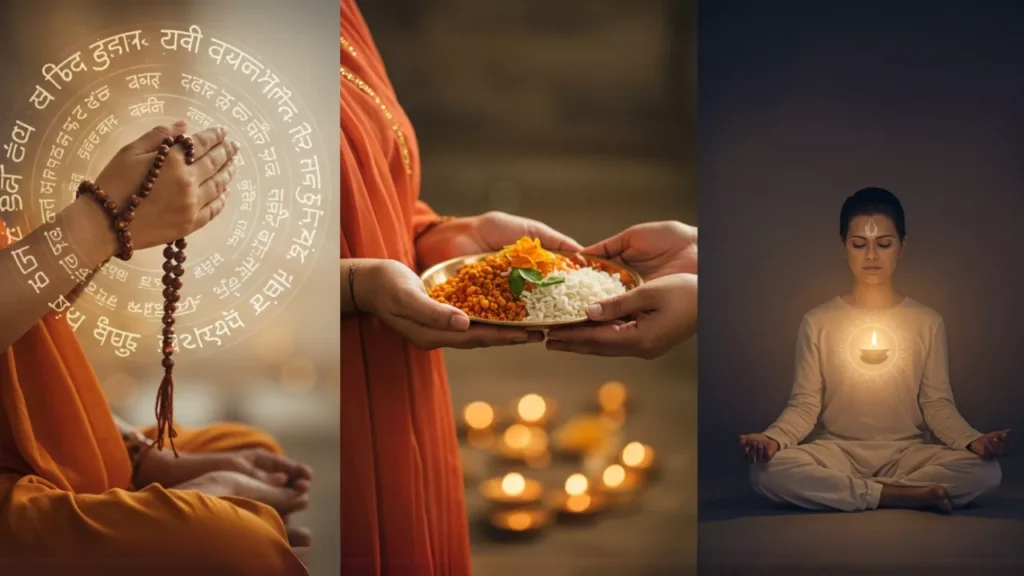
Image of Collage showing Pitru Paksha rituals: chanting mantras, offering Pind Daan (food), and meditating for ancestors- Ethical Conduct Pitrupaksha
Pitrupaksha 9 min read

The Power of Truth: Upholding Ethical Conduct Pitrupaksha for Ancestral Blessings

During the sacred fortnight of Pitrupaksha, while rituals like Shradh and Tarpan are central to honoring our ancestors, the efficacy of these rites is deeply intertwined with our personal integrity. Why is Ethical Conduct Pitrupaksha, particularly unwavering truthfulness (Satya), so crucial for ensuring our offerings reach our Pitṛs and bring them peace? This profound exploration delves into Puranic wisdom, revealing that our ancestors perceive the sincerity of our hearts, not just our outward actions. How does a life rooted in truth amplify the power of your prayers and Pindas, making them truly acceptable? Discover how the scriptures emphasize that Dharma (righteousness) always prevails and how untruthfulness can diminish the merit of even well-intentioned sacred deeds. Could your commitment to honesty in daily life directly impact the honor of your lineage and the spiritual well-being of your forefathers? Furthermore, learn how truthfulness purifies the mind, creating the serene and focused state essential for connecting with the subtle ancestral realm. This isn't just about grand gestures; it's about ensuring even the materials used for rituals are acquired through honest means. Are you ready to understand how making Satya your guiding star during Pitrupaksha—and beyond—becomes the most profound offering, inviting abundant blessings and paving the path to ultimate well-being for both your ancestors and yourself?

A monthly reading

One essay, one scripture reference, one calendar note for the month ahead. Nothing else. Never promotional.

REQUEST VIA COORDINATOR DESK · 12 ISSUES A YEAR · NO SPAM