Blog · Guidance on ancestry, scripture and practice
ग्रन्थालय

Pitrupaksha Blog

Explore the existing Pitrupaksha.org article library, including guidance on important dates, traditions, sacred sites and ancestral rites.

217
articles
Showing 12 of 217
Sorted by Most recent
his image shows the ghats of Varanasi at sunrise, a deeply spiritual time for Pitrupaksha rituals.
Ancestors 7 min read

Varanasi Pitrupaksha Role: Moksha and Sacred Ancestral Rites in the Holy City

This guide explores the profound Varanasi Pitrupaksha Role, explaining why Kashi is considered the ultimate destination for ancestral rites. As a Moksha-Dham (abode of liberation) that Lord Shiva never forsakes (Avimukta), any ritual performed here is exceptionally potent. During Pitrupaksha, when ancestors are closest to the earthly realm, performing Shraddha in Varanasi offers them not just nourishment (tripti) but a direct path to final liberation (Moksha). Key sacred sites like Manikarnika Ghat and Pishachamochana Tirtha further amplify the benefits. The synergy of this sacred place and auspicious time makes a Shraddha in Kashi the ultimate act of service, placing your ancestors' souls directly in the hands of Mahadev for their eternal peace.


This artwork illustrates the legend of Gayasura, whose body was sanctified by Lord Vishnu, making Gaya a prime pilgrimage site for ancestral rites
Ancestors 9 min read

Your Essential Guide to Performing Pind Daan in Gaya: Rituals, Vedis and Procedures

This complete guide to performing Pind Daan in Gaya explains why this destination is paramount for ancestral rites, its sanctity originating from the devotee Gayasura whose body became a divine altar. The pilgrimage is a sacred circuit, beginning with purification and Tarpan at the Phalgu River. The journey culminates at the Vishnupad Temple, where the main Pindas are offered at Lord Vishnu's sacred footprint, and concludes at the Akshaya Vata tree to make the ritual's merits eternal. Guided by Gayawal priests, this process is believed to grant ultimate liberation (Moksha) to ancestors, freeing the descendant from their ancestral debt (Pitra-rin) and ensuring their eternal peace.

Gayasur in gaya- Legend of Gayasura
Ancestors 8 min read

The Legend of Gayasura : How This Story Made Gaya the #1 Shradh Site

This guide delves into The Legend of Gayasura to explain why Gaya is the ultimate destination for Pind Daan. The story tells of Gayasura, a great Asura devotee of Lord Vishnu, whose intense penance earned him a divine boon. Selflessly, he asked for his body to become the most sacred place on earth for ancestral rites. To fulfill this, Lord Vishnu and the Trimurti consecrated his body, with Vishnu leaving his divine footprint (Vishnupad) upon it. This transformed the land into the sacred Gaya Tirtha. Because of this divine promise, any Pinda offered at Gaya is believed to grant instant and final liberation (Moksha) to ancestors, freeing the descendant from their ancestral debt (Pitra-Rin). This legend is the spiritual foundation that makes Gaya uniquely powerful.

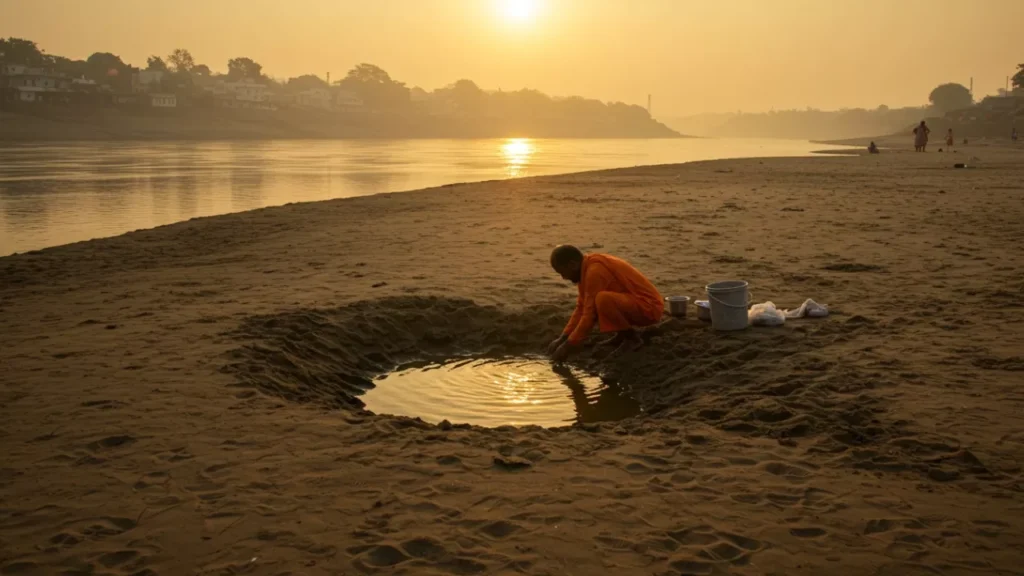
At sunrise by a river, a holy man performs the sacred Tarpan ritual, offering water to his ancestors- Gaya Pind Daan destinationac
Ancestors 9 min read

The Ultimate Gaya Pind Daan destination for Unmatched Ancestral Liberation.

This guide explains why Gaya is the ultimate Gaya Pind Daan destination, a sacred duty that promises final liberation (Moksha) for ancestors. The city's sanctity stems from a divine boon granted to the devotee Gayasura, making his body the holy ground upon which Lord Vishnu left his divine footprint. A pilgrimage here involves sacred rites at key locations like the Phalgu River, the Vishnupad Temple—where the main Pinda is offered at Vishnu's feet—and the immortal Akshaya Vata tree, which makes the merit of the ritual eternal. Performing this rite at Gaya is believed to free one from ancestral debt (Pitra-rin) and liberate generations of ancestors, making it the most profound act of service a descendant can perform.

Cover · Ancestors
Ancestors 8 min read

Unlock Greater Blessings: Why Performing Shradh at Tirthas Amplifies Results

This guide explains the immense power of performing Shradh at Tirthas, or holy pilgrimage sites. These places, like Gaya, Prayag, and Kashi, are spiritual power stations that amplify the merit (punya) of your rituals thousands of times. Offerings made here are believed to grant ancestors Akshaya Tripti—unending satisfaction—and help wash away accumulated sins, hastening their journey towards liberation (moksha). While the annual Shraddha performed at home is a vital and cherished act of love, a pilgrimage to a sacred Tirtha is a special, powerful undertaking for the ultimate peace of your lineage. This guide explores the significance of these sacred grounds, lists the most potent Tirthas for ancestral rites, and clarifies how this special act complements your regular home ceremonies.

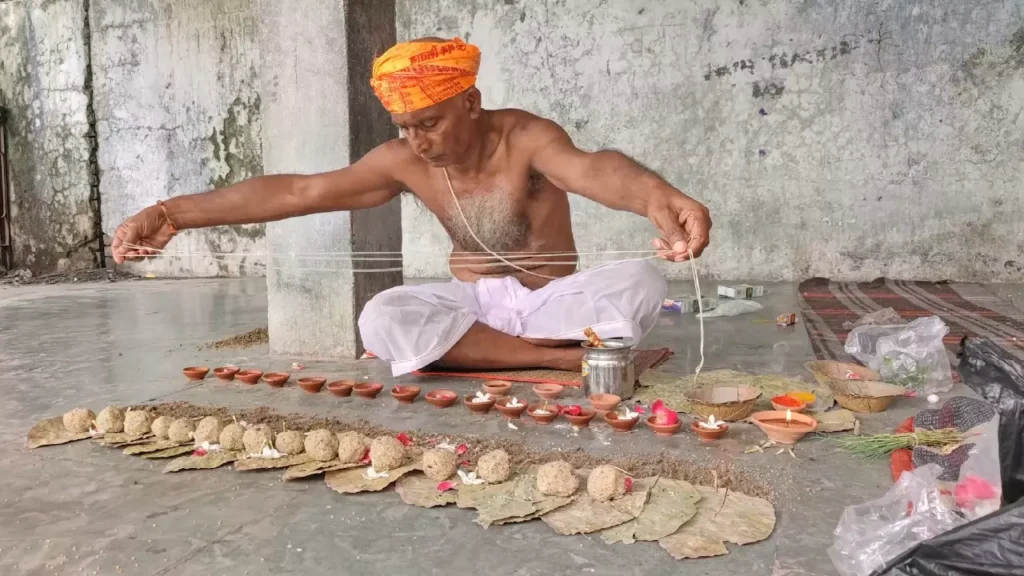
A Hindu priest performs the Pind Daan ritual, offering sacred water to the pindas and diyas for ancestors.
Ancestors 5 min read

The True Spirit: Cultivating Remembrance and gratitude Pitrupaksha home

This guide explores how to cultivate the true spirit of remembrance and gratitude Pitrupaksha home, transforming the fortnight into a joyous family reunion that transcends rituals. The two pillars are Remembrance, practiced through creating a memory altar, daily lamp lighting, and powerful family storytelling, and Gratitude (Kritajnata), expressed by cooking ancestors' favorite foods, performing charity (Annadana) in their name, and consciously living by the values they instilled. By building your observance on these foundations, the traditional rites of Tarpan and Pinda Daan become deeply meaningful acts. Your home transforms into a sacred space filled with love, ensuring your ancestors feel truly honored and your family receives their most profound blessings.

Cover · Ancestors
Ancestors 8 min read

Sacred and Safe: Essential Home Shradh safety tips for Lamps and Incense

This guide provides essential Home Shradh safety tips, explaining that safety is an act of reverence. It focuses on the proper handling of the sacred lamp (Deepam) and incense (Dhoop). Key advice includes using pure, stable fuels like ghee, placing the lamp on a stable, non-flammable surface away from drafts and flammable objects, and never leaving a flame unattended. For incense, it emphasizes using a proper holder that catches all ash and ensuring adequate ventilation in small spaces. The guide stresses that following scriptural principles of a calm mind and a clean, decluttered space creates an environment where accidents are naturally prevented, ensuring your home becomes a true sanctuary of divine grace.

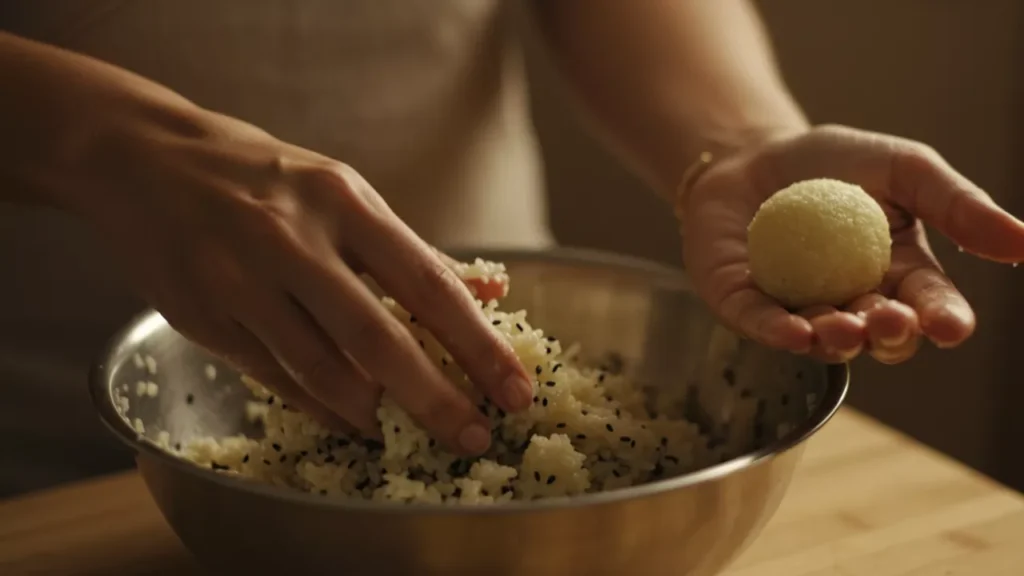
This image shows the preparation of pindas, mixing rice and black sesame seeds to offer to ancestors- Sankalpa power home Shradh
Ancestors 7 min read

Intention is Key: Harnessing the Sankalpa power in home Shradh

This guide illuminates the profound Sankalpa power in home Shradh, explaining that a Sankalpa is more than a thought—it's a formal spiritual act of will that super-charges your ritual. Performing Shraddha in the focused sanctuary of your home allows for an undisturbed and pure intention, which scriptures say can be more meritorious than a public ceremony. The guide provides a simple formula for crafting your own Sankalpa, identifying the core components: time (Kala), place (Desha), performer (Karta), recipient (Pitr), and purpose (Phala-prapti). By making this sacred vow at the start and maintaining its focus throughout, you transform mechanical actions into conscious offerings, ensuring your ritual is deeply powerful and effective in bringing peace to your ancestors and blessings to your family.

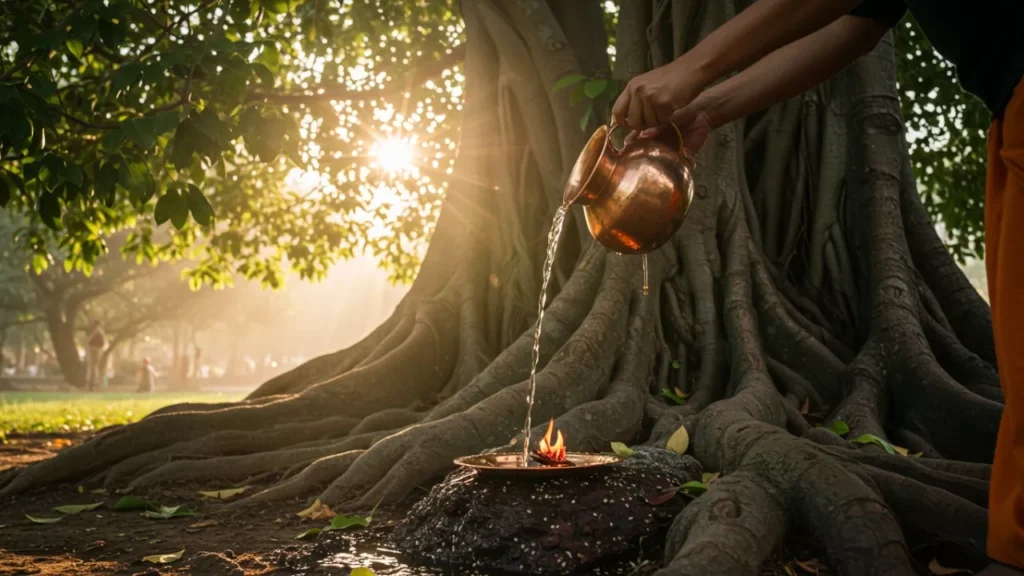
A devotee performs a sacred water and fire offering at a banyan tree's roots, honoring ancestors during Pitrupaksha- Performing Shradh at home
Ancestors 8 min read

Your Guide to Performing Shradh at home: FAQ for Families

Performing Shradh at home is a profound act of faith (shraddha) and gratitude to honor your ancestors. This comprehensive guide answers all essential questions, clarifying that the duty is not limited to sons but extends to any devout family member, including wives and daughters. Learn the ideal location (a clean, south-facing corner) and the most auspicious timing (the death tithi during the Kutapa Muhurta) for the ceremony. We cover the essential items you'll need, like black sesame seeds and Pindas, and provide compassionate, scripturally-sound alternatives if you cannot find a priest. Discover how your sincere devotion is the most crucial element, making your home ceremony a powerful and blessed event that ensures your ancestors receive your love and their blessings reach your family.

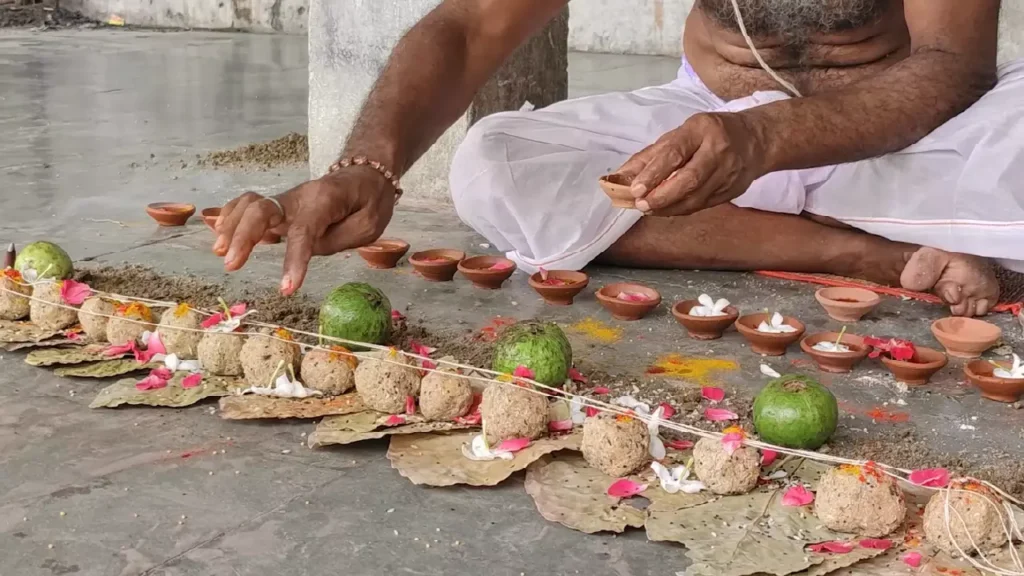
A man performs the sacred Pind Daan, offering rice balls (pindas) and flowers to honor his ancestors- Dispose Shradh materials home
Ancestors 7 min read

After the Rites: How to Respectfully of Dispose Shradh materials home

This guide explains how to respectfully dispose Shradh materials home after the ceremony, based on the principle of returning sacred items to nature. It provides clear, apartment-friendly solutions for every item. Key methods include offering the sacred Pindas to a cow or immersing them in water, which can then be poured at the base of a tree. Used flowers, leaves, and Kusha grass can be placed in a garden, ideally near a Tulsi plant. The guide also covers the proper handling of offered food (Naivedyam), distinguishing between the symbolic Brahmin's meal and the blessed Prasad for the family. Following these steps ensures that the divine energy of the ritual is honored to the very end, completing the circle of devotion with reverence and care.

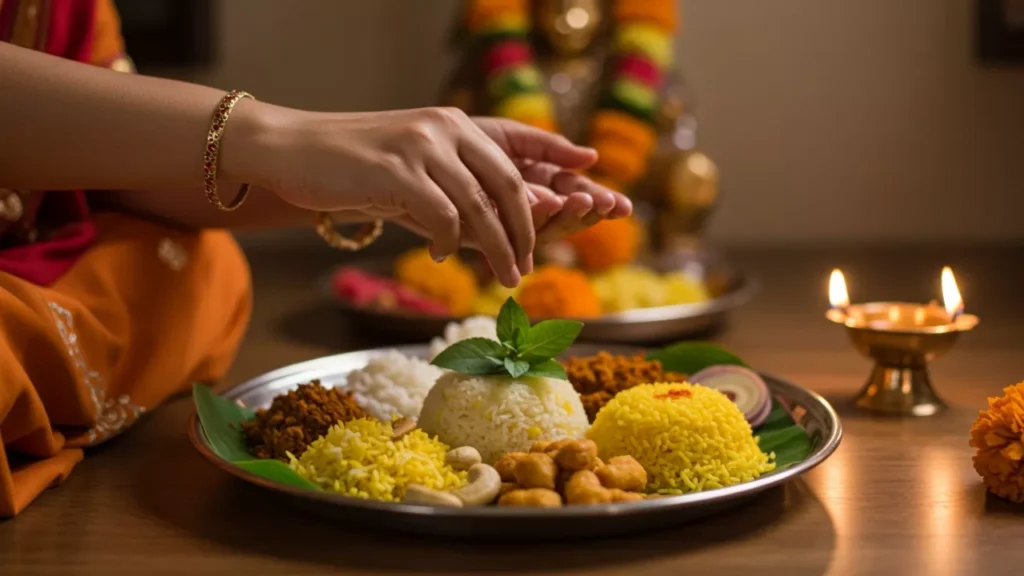
A woman makes a ceremonial food offering, or naivedya, to honor her ancestors during Pitrupaksha observances- Shradh in small spaces apartment
Ancestors 9 min read

Small Space, Big Heart: How to Perform Shradh in small spaces apartment

This guide provides compassionate and practical advice for performing Shradh in small spaces apartment, emphasizing that a devout heart is the most sacred space. It focuses on transforming a small corner into a temporary pilgrimage spot (Tirtha) through meticulous cleaning and atmospheric purification. Key adaptations include using a plate (thali) as a portable sacred ground for Pinda Daan, and employing safe, no-fire alternatives for the Homa ritual, such as offering to a ghee lamp or performing a powerful mental Homa (Manasika Homa). The guide reframes the constraints of a small apartment as an opportunity for focused, intimate devotion, where proximity to the altar enhances concentration. Ultimately, it assures that ancestors respond to the vibration of love, not the size of the room, making any sincere effort a complete and powerful ritual.

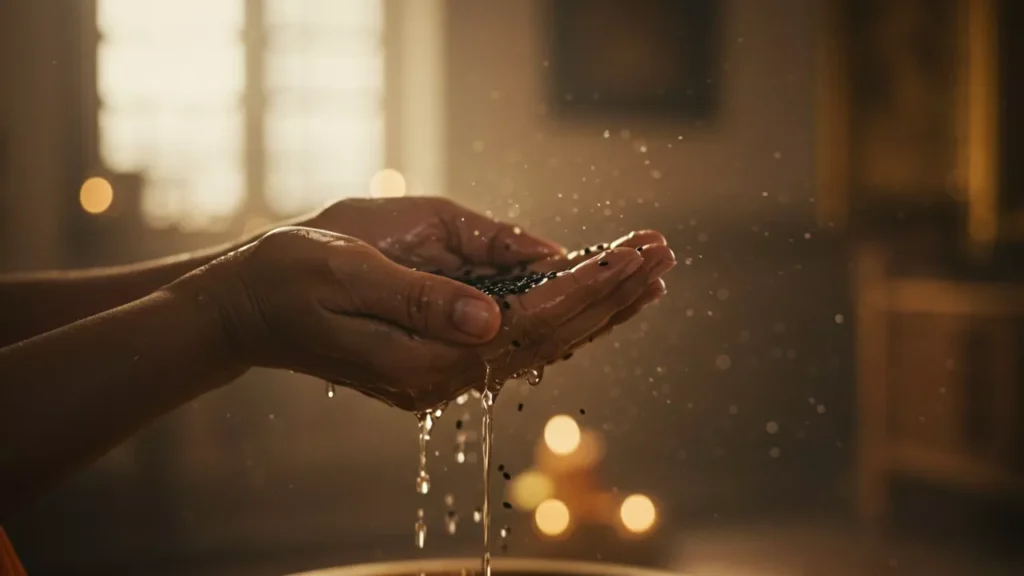
A devotee performs the sacred 'Tarpan' ritual, offering water and black sesame seeds to appease their ancestors- Shradh ritual item substitutes
Ancestors 8 min read

No Kusha Grass? Guide to Readily Available Shradh ritual item substitutes

This guide addresses the common worry of finding Shradh ritual item substitutes for those unable to source traditional materials. It explains that our Dharma values devotion over specific objects and provides practical, scripturally-sound alternatives. For the indispensable Kusha grass, a Tulsi leaf can be used for purification, and a clean banana leaf or woolen mat can serve as a sacred seat (asan). Spotlessly clean stainless steel vessels can replace traditional copper or silver. The guide emphasizes that while substitutes for many items exist, a few, like water, black sesame seeds, and most importantly, faith (shraddha), are irreplaceable. Ultimately, it teaches that a sincere heart makes any offering complete and powerful.

A monthly reading

One essay, one scripture reference, one calendar note for the month ahead. Nothing else. Never promotional.

REQUEST VIA COORDINATOR DESK · 12 ISSUES A YEAR · NO SPAM