Blog · Guidance on ancestry, scripture and practice
ग्रन्थालय

Pitrupaksha Blog

Explore the existing Pitrupaksha.org article library, including guidance on important dates, traditions, sacred sites and ancestral rites.

217
articles
Showing 12 of 217
Sorted by Most recent
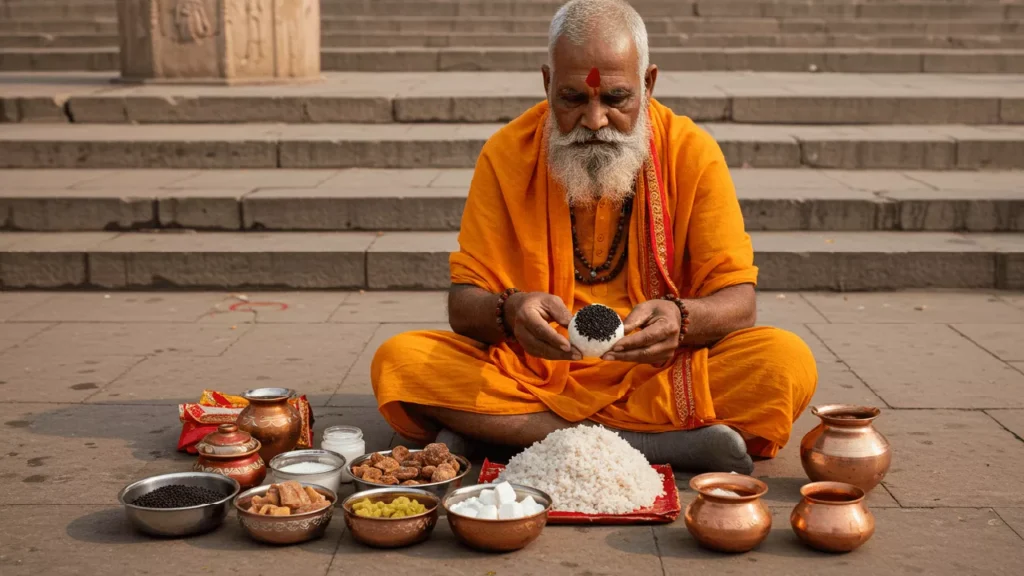
Image of Man in orange clothes performs Pind Daan, holding a pinda with sesame seeds, offerings around- The Importance of Pind Daan Shradh
Pind daan 7 min read

The Importance of Pind Daan Shradh: Why It’s the Climax Ritual

While the entire Shradh ceremony is a sacred duty, why is Pind Daan itself considered the pivotal, climax ritual? Understanding the profound Importance of Pind Daan Shradh reveals its unique power to connect with and uplift our ancestors (Pitrs). It's more than just offering a rice ball; it's an act with deep spiritual implications. How does the Pinda provide essential nourishment for the soul's subtle body (sukshma sharir) after death, as detailed in texts like the Garuda Purana? What is the crucial role of Pind Daan, particularly in the Sapindikarana rite, in transitioning a departed soul from a solitary Preta state to the revered status of a Pitr, enabling its peaceful progression? Discover how this offering can bring lasting satisfaction (tripti) and even liberation (moksha) to ancestors, potentially rescuing them from suffering. How does performing Pind Daan help dissolve the sacred ancestral debt (Pitru Rin) we are born with? Learn why pleased Pitrs, nourished by these offerings, bestow abundant blessings—from longevity and prosperity to spiritual wisdom—upon their descendants. Delve into the full article to truly grasp why this act is the heart of Shradh, where devotion meets potent action.
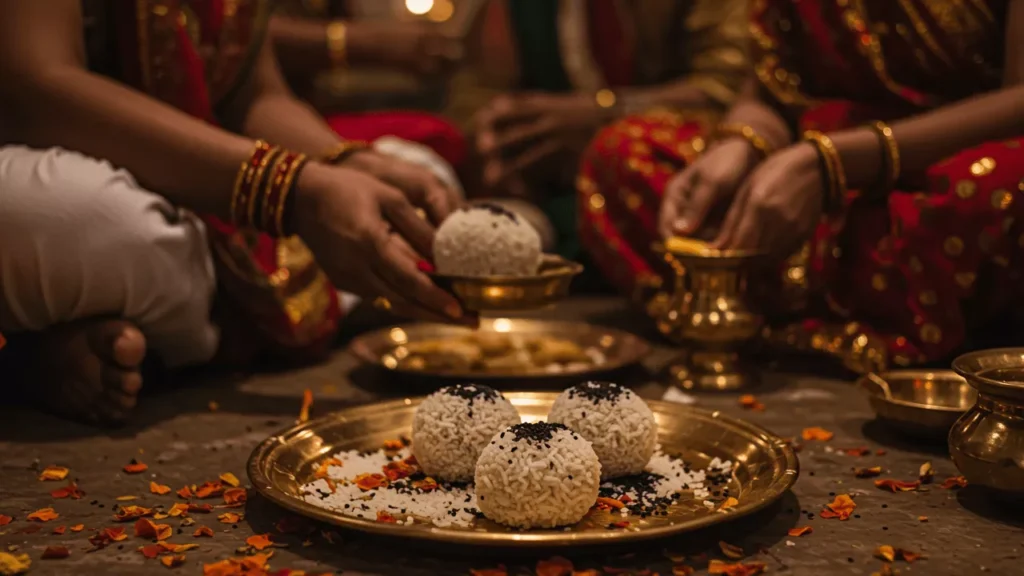
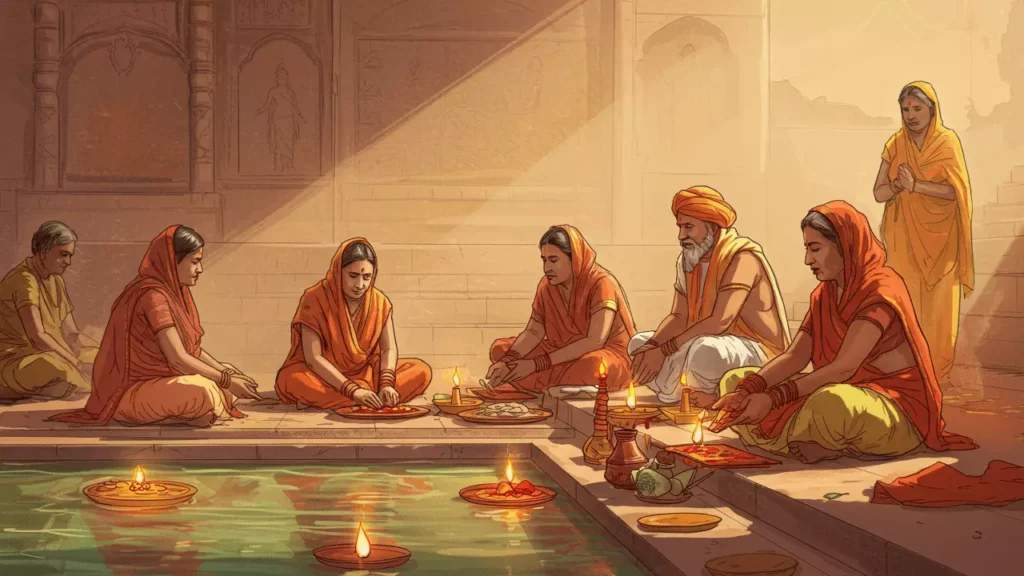
Pind Daan ritual: Woman offering rice balls (pindas) with sesame seeds during Shraddh- Who Can Perform Pind Daan
Pind daan 10 min read

Who Can Perform Pind Daan? Understanding Eligibility Rules and Traditions

The vital duty of Pind Daan connects generations, but the question remains: exactly who can perform Pind Daan according to sacred traditions? While scriptures like the Garuda Purana clearly prioritize the son, grandson, and great-grandson, what happens if this direct male line isn't available? Does the responsibility fall away, leaving ancestors without solace? Our compassionate Shastras provide answers. Can the wife step forward to fulfill this duty? What is the special role of a daughter's son (Dauhitra), and can even the daughter herself perform these rites under certain conditions? Discover the extended circle of eligibility, including brothers, nephews, other relatives (Sapinda/Sagotra), and even devoted disciples. Beyond mere lineage, however, lies a deeper layer of qualification. How crucial is the performer's own state – their faith (Shradh), purity, conduct, and the source of their resources? Are there individuals explicitly disqualified from performing or even attending these rites due to their actions or state? Unravel the intricate rules, understand the order of precedence, and learn why the performer's inner devotion might be the most critical factor of all by reading the full article.

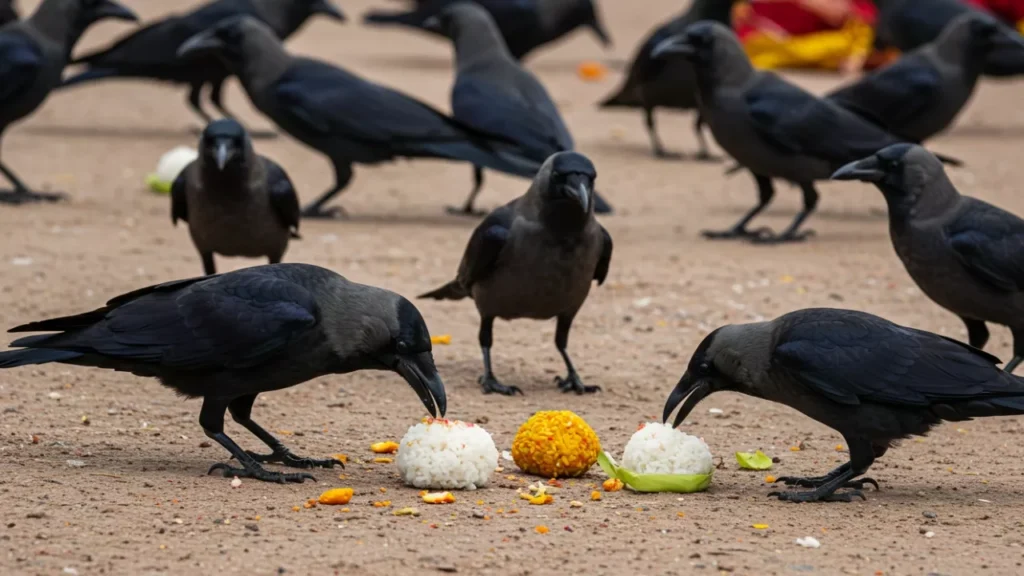
Crows eating pindas (rice balls), offerings for ancestors during Pitru Paksha Shraddh ritual- Crows Eating Pindas
Pind daan 6 min read

Crows Eating Pindas: Decoding This Important Sign of Ancestral Acceptance

Have you ever performed Pind Daan or Shradh and seen crows descend to partake in the offerings? What does this common sight truly signify? Is the phenomenon of Crows eating Pindas just a coincidence, or is it a deeply meaningful sign rooted in ancient Hindu scriptures? This exploration delves into the practice of Kaka Bali – the specific offering made to crows, sanctioned by texts like the Agni and Skanda Puranas. Why are crows chosen for this role? Are they merely birds, or do they act as messengers or even representatives of the Pitrs themselves? Discover the compelling scriptural explanations, particularly from the Markandeya and Garuda Puranas, linking this act to how ancestors, potentially reborn in various forms, receive vital nourishment. Learn why observing crows eating the offered pindas is widely interpreted as a highly positive sign, indicating acceptance, successful delivery of sustenance, and the overall satisfaction (Pitru Tripti) of your ancestors. Are there specific mantras involved? What if crows don't appear? Dive into the full article to understand the complete context, scriptural basis, and nuances behind decoding this significant event in ancestral worship.

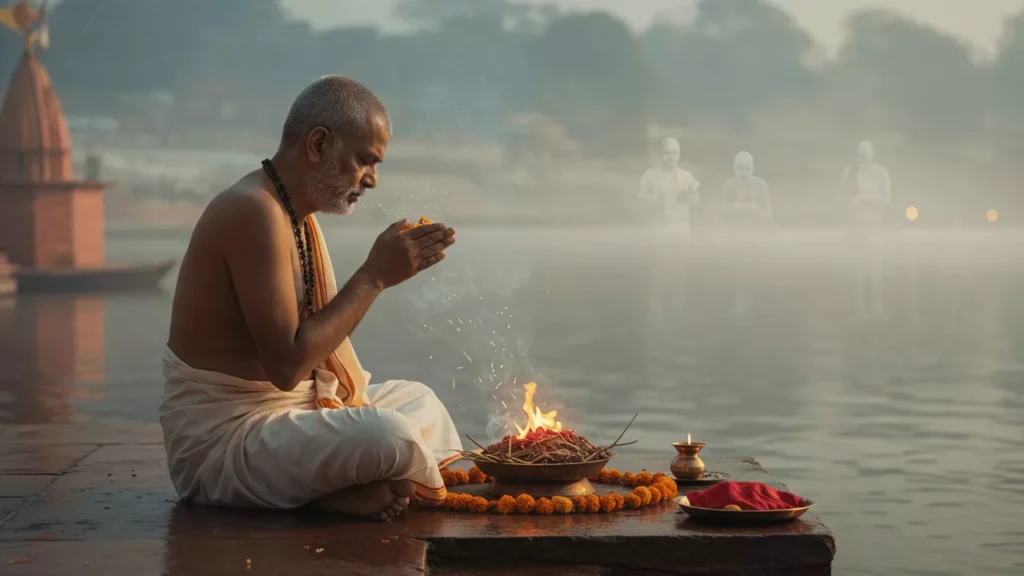
Man performs fire ritual (homa) by river for ancestors during Shraddh. Faint figures watch.
Pind daan 12 min read

What Happens After Pind Daan? The Sacred Disposal of Pindas Explained

The solemn Pind Daan offering is made, but what happens after Pind Daan concludes? Is the ritual truly complete once the mantras cease? The fate of the offered pindas is not trivial; respectful disposal (Visarjan) is a vital, concluding act governed by ancient scriptural wisdom. But what are the prescribed destinations for these sacred remnants? Should you offer them to a revered cow (Go-mata), await the significant crows (Kaka Bali), immerse them in purifying waters (Jal Visarjan), or utilize sacred fire (Agni Mukham)? Why do texts like the Garuda Purana emphasize these specific methods, and what makes them appropriate ways to complete the spiritual transaction? What are the consequences of careless handling, and why is this final step so crucial for truly honouring your Pitrs? Furthermore, do even tiny 'sacred leftovers' (Ucchishta) hold a profound purpose according to the Puranas? And the intriguing question arises: can the person performing the ritual partake in the pinda itself? Discover the detailed, scripturally-backed methods and understand the deep significance behind properly concluding this sacred duty by reading the full article.

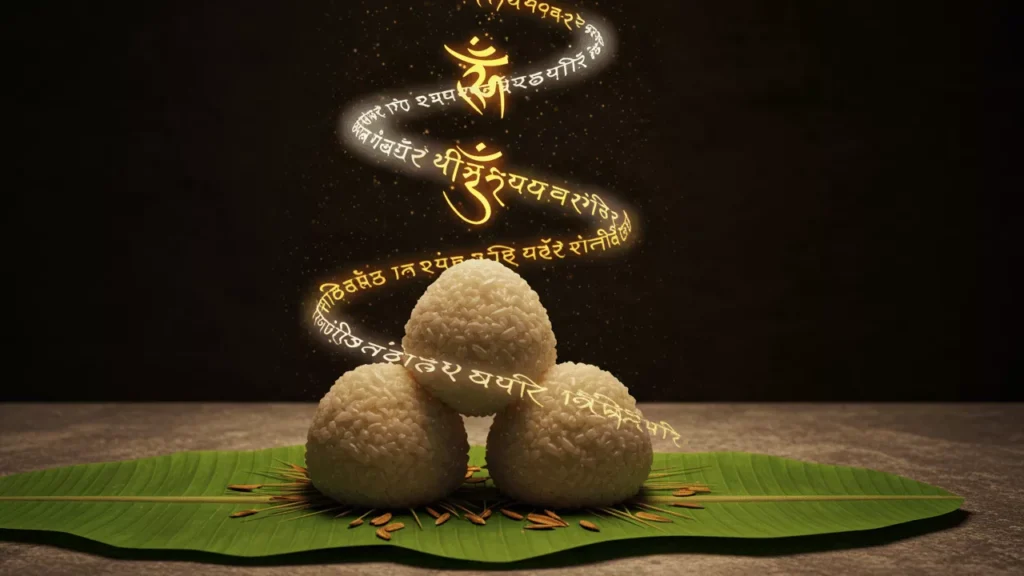
Image of Pindas offered on banana leaf with glowing sacred Sanskrit mantras invoking ancestor blessings- Pind Daan Mantras
Pind daan 11 min read

Pind Daan Mantras: Sacred Chants to Empower Your Ancestral Offerings

How do mere sounds transform a simple offering into a profound connection with your ancestors? The power lies within Pind Daan mantras, the sacred language used in these vital Hindu rituals. But what exactly do these chants achieve? Explore how specific mantras function as divine invitations (Aavahanam) for your Pitrs, purify the ritual space and offerings (Shuddhikaran), and precisely dedicate your Pinda or Tarpan (Samarpanam) to ensure it reaches the intended ancestor. Discover the core chants you need: from the fundamental "Om Pitṛbhyo Namaḥ" and the crucial "Swadha" to the specific structures for offering water (Tarpan) and food (Pinda) to your father, grandfather, and great-grandfather, incorporating names and Gotra. Ever heard of the potent Pitr Gayatri Mantra and its power to invoke collective ancestral blessings? What about mantras for inviting witnessing deities or seeking forgiveness for inevitable imperfections? This guide illuminates these sacred sounds, emphasizing that even more than perfect pronunciation, your sincere feeling (bhava) and reverence (Shradh) truly empower the offering. Are you ready to learn the chants that bridge worlds and bring profound peace? Delve into the full article for detailed mantras and deeper understanding.

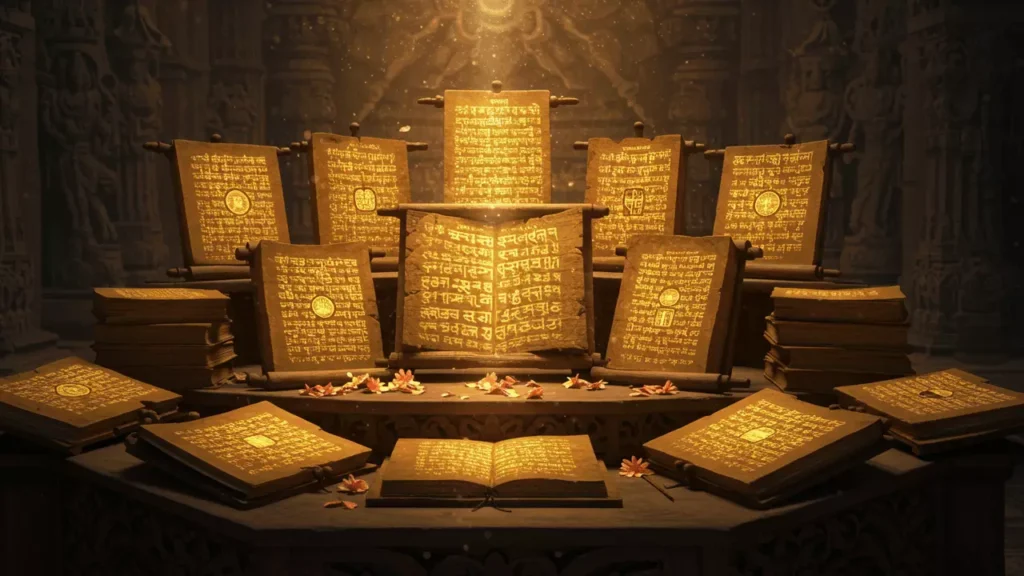
Picture of Hindu Puranas- Pind Daan vs Tarpan difference
Pitrupaksha 14 min read

Pind Daan vs Tarpan difference: Clearing Up the Confusion Between These Key Rituals

Are Pind Daan and Tarpan interchangeable terms in Hindu ancestral rites, or is there a crucial distinction? Understanding the Pind Daan vs Tarpan difference is vital for correctly honoring your ancestors (Pitrs) according to sacred traditions. Think of it like offering both nourishing food and refreshing water to a revered guest – both are essential, but distinct. So, what exactly separates the offering of solid food (Pinda) from the offering of liquid libations (Tarpan)? This exploration delves into the Puranic wisdom behind each practice. Discover why Pind Daan focuses on providing substance (anna), often using rice balls offered with one hand, primarily for the Pitrs' sustenance and journey. Then, uncover how Tarpan signifies satisfying thirst (jala), using water offered with both hands, not just for Pitrs but also for Gods (Devas) and Sages (Rishis), involving specific sacred thread (Yajnopavita) positions. Why might one be performed annually or post-death, while the other can be a daily duty? Are you aware of the different ingredients, like sesame seeds or barley, and their specific uses in each? Grasping these differences ensures the complete satisfaction (Pitru Tripti) of your ancestors. Dive deeper into the full article to learn the precise methods, significance, and complementary nature of these fundamental rituals, ensuring your devotion is both complete and correctly channeled.

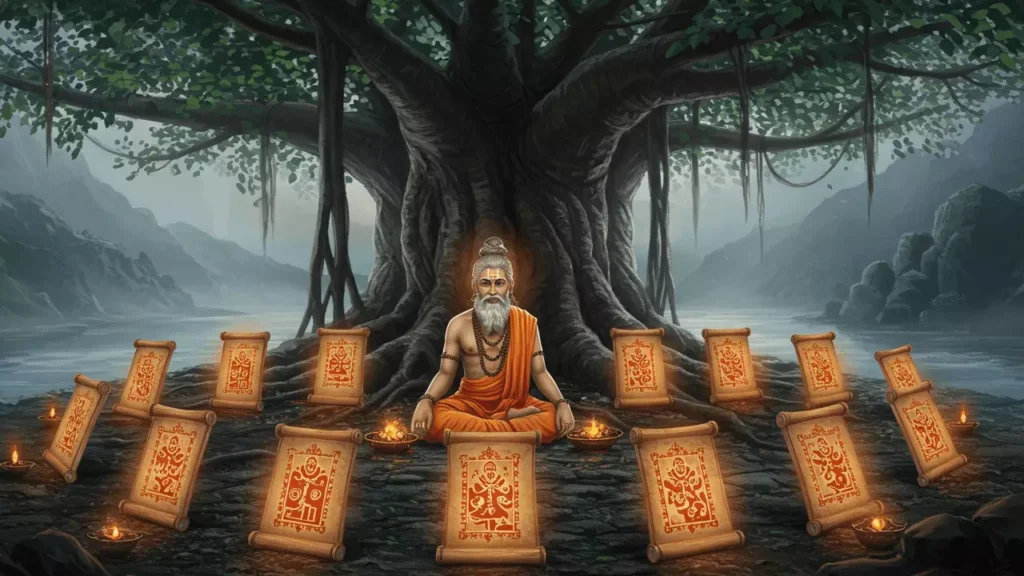
Hindu sage meditating under a banyan tree, surrounded by ancient scrolls and lit diyas.
Pind daan 11 min read

Ancient Roots, Sacred Duty: Uncovering the Pind Daan Scriptural Basis in the Puranas

Where does the profound Hindu practice of Pind Daan truly find its roots? Is it merely an age-old custom, or does it possess a deep Pind Daan scriptural basis anchored within the most revered ancient texts? This exploration delves into the venerable Puranas – vast repositories of divine knowledge like the Brahma, Padma, Skanda, Vayu, and the crucial Garuda Purana – to uncover the explicit validation and enduring significance of this sacred duty. Learn how Sraddha, the act performed with unwavering faith, forms the very foundation of ancestral reverence, with Pind Daan serving as its vital heart. Discover the compelling reasons why scriptures like the Vayu Purana emphasize specific lineages and highlight sacred sites like Gaya for absolving the profound ancestral debt (Pitṛ-ṛṇa). Have you ever contemplated the soul's intricate journey after departing the physical body? The Garuda Purana vividly details this passage, revealing how Pind Daan provides indispensable sustenance and energy to the departed soul (Preta), aiding its challenging journey and preventing potential suffering. Why is this ritual considered so fundamental across different Puranas? Uncover the core scriptural imperatives: repaying sacred debts, nourishing ancestors in Pitru Loka, facilitating their path towards liberation (Moksha), and securing their invaluable blessings for descendants. Read the full article to grasp the comprehensive scriptural evidence and appreciate the timeless power and necessity of Pind Daan.

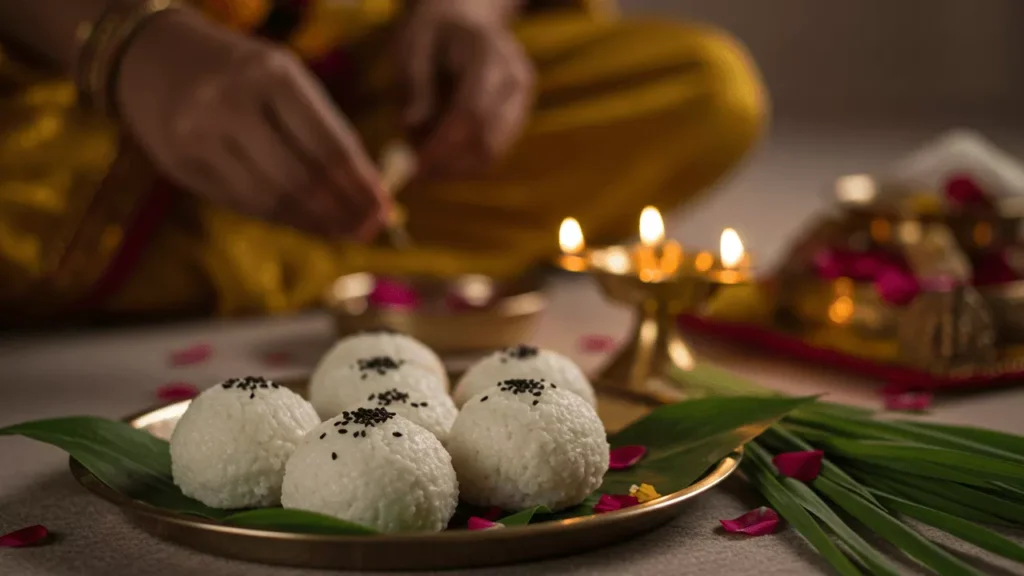
Image of Pind Daan: Hands prepare offerings. Pindas with til on leaf plate, lit Diya, grass, petals present.- Perform Pind Daan at home
Pind daan 10 min read

Performing Pind Daan at Home: Is It Possible? Guidelines & What to Know

Ever wondered if the sacred duty of Pind Daan must be performed at a holy Tirtha? What if you learned that performing this vital ancestral rite within your own home is not only possible but potentially even more meritorious according to revered scriptures like the Skanda Purana? This comprehensive guide delves into the profound possibility of honoring your ancestors from the sanctity of your abode. Discover the scriptural sanctions that empower you to transform your home into a sacred space for connecting with your Pitṛs. But how do you properly prepare? We explore practical guidelines: How do you choose and purify the right spot within your house, considering directional significance? What are the most auspicious timings – like Pitru Paksha, the ancestor's specific tithi, or Amavasya – and how crucial is perfect timing versus sincere effort? What if inviting learned Brahmins isn't feasible in your situation? Learn the simplified yet potent steps for preparing and offering the Pindas, the significance of key ingredients like black sesame seeds (tila), and why your personal faith (Shradh) and devotion (Bhakti) are paramount. Are you ensuring the utmost purity and focus? How should the offered Pindas be respectfully handled afterward? Dive into the full article to gain clarity, understand the nuances, and confidently fulfill this profound duty, drawing invaluable blessings upon your family.

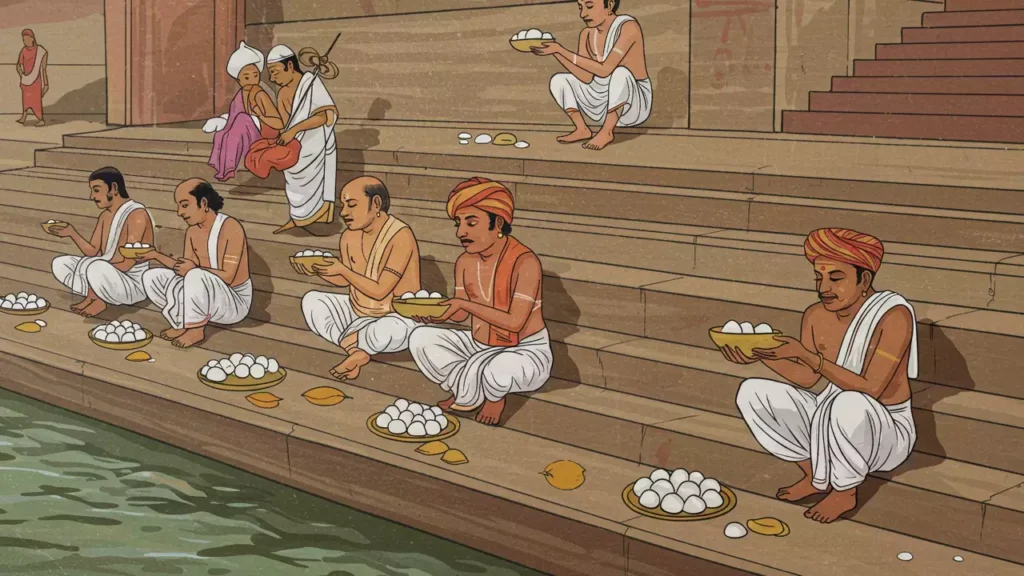
Image of Men performing Pind Daan ritual on river ghat steps with Pinda offering- Holy sites for Pind Daan
Pind daan 11 min read

Beyond Gaya: Discover India s Most Powerful Holy Sites for Pind Daan

While Gaya holds supreme status for Pind Daan, did you know that Sanatana Dharma recognizes numerous other profoundly powerful holy sites for Pind Daan scattered across India? Our sacred Puranas reveal a compassionate landscape filled with potent Tirthas where you can effectively honour your ancestors and seek their liberation. Have you considered the "King of Tirthas," Prayaga (Prayagraj), where the mystical Triveni Sangam offers everlasting merit to ancestral rites? Or Kashi (Varanasi), Lord Shiva's city, where the atmosphere vibrates with the energy of liberation itself? What about Pushkara, Lord Brahma's abode, specifically mentioned as beloved by the Pitṛs, where offerings become endless? Intriguingly, could some sites, like Gotpada Tirtha within Prabhasa Kshetra, potentially offer benefits rivaling even Gaya, according to the Skanda Purana? From Haridwar's Ganga gateway to Mathura's Krishna-infused energy promising magnified results, and many more – each sacred place holds unique blessings. Discover the specific significance of these revered locations and why they provide potent alternatives for fulfilling your sacred duty. Which site resonates most with your spiritual needs? Read on to explore the full tapestry of powerful pilgrimage destinations for connecting with your lineage.

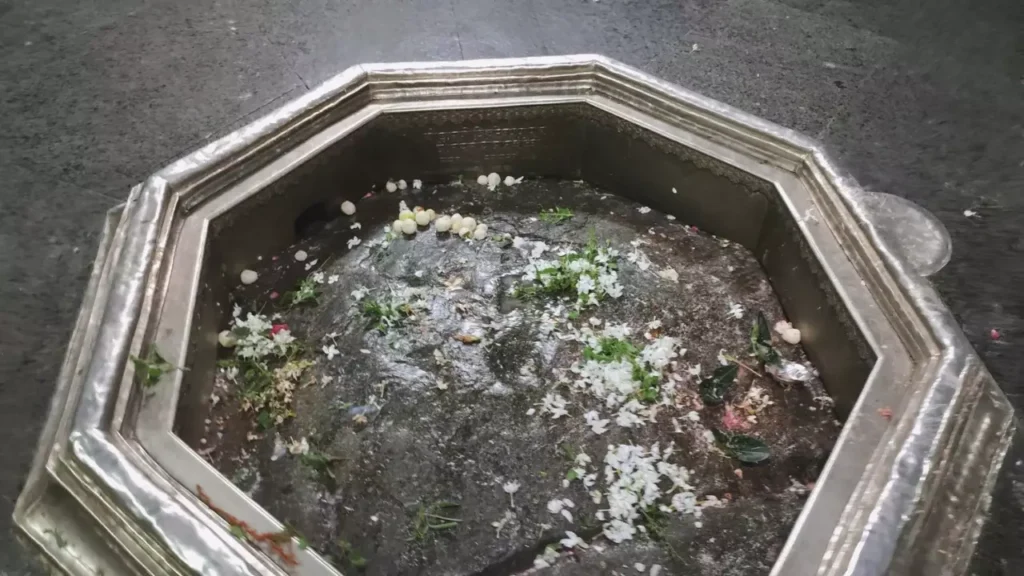
Image of Vishnu Pad shrine, Gaya: Pindas, flowers, leaves offered on the sacred stone footprint- Pind Daan in Gaya significance
Pind daan 8 min read

Pind Daan in Gaya Significance: Unlocking Ancestral Liberation & Blessings

Why is Gaya revered above all other holy sites when it comes to honouring ancestors? Its unparalleled status for Pind Daan isn't mere folklore; it's profoundly anchored in ancient scriptures like the Agni, Skanda, and Garuda Puranas. What unique sacrifice by the Asura Gayasura, blessed by the Trimurti, turned his very body into this sacred ground specifically designed for ancestral liberation (Pitṛ Mukti)? Explore the mystical Phalgu River, often flowing unseen, and the power held within its sands. Why is offering Pindas at the Vishnupada temple, marking Lord Vishnu's divine footprint, considered so pivotal? Perhaps the most compelling element is the Akshayavat, the undying Banyan tree. How does this ancient witness grant Akshaya – imperishable, everlasting merit – to the rituals performed beneath it, ensuring perpetual benefit for the Pitṛs? Discover why Gaya's focused energy surpasses other Tirthas for this specific purpose, promising redemption even for souls facing difficult circumstances. Learn about the divine presence, including Vishnu himself as Pitṛ-rūpa, awaiting offerings. Why are the rites often complex, requiring local priestly guidance (Gayawals) across various sacred Vedis? Uncover the complete story behind the profound Pind Daan in Gaya significance and its power to unlock blessings.

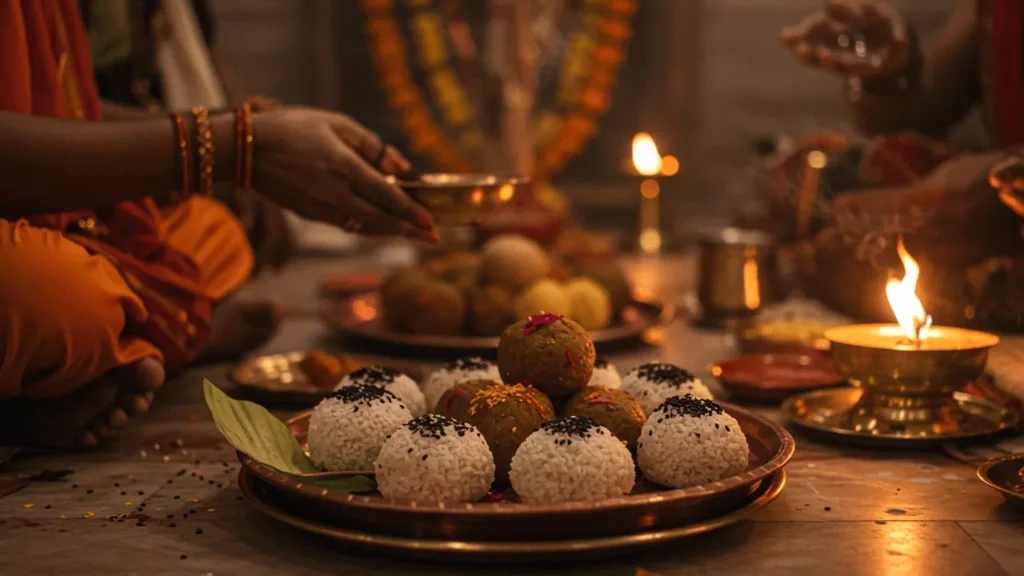
Pind Daan offerings: Pindas with til on plates, lit Diya, hands holding bowl. Ritual setting.
Pind daan 12 min read

The Pind Daan Ceremony: Step by Step Guide to Offering Pindas Correctly

Are you seeking to perform the sacred Pind Daan ceremony but unsure of the correct procedure? This ancient ritual, deeply rooted in Puranic wisdom, is more than just offering rice balls; it's a profound connection with your ancestors. But what are the essential Pind Daan ritual steps you must follow to ensure your offerings reach them effectively? This guide walks you through the entire process, starting with crucial preparations – purifying yourself, the space, preparing the sacred Pindas, and understanding the significance of Darbha grass. Learn the precise actions for the core offering: why facing South is vital, how many Pindas to offer based on the context, and the importance of mantras and accompanying elements like water and flowers. What happens after the offering? Discover the significance of concluding rites, including prayers and the essential Dakshina to Brahmins. Understand how different types of Shradh (like Ekodishta or Tirtha Shradh) might alter the steps, and why unwavering faith (Shradh) is considered the most critical ingredient of all. Ready to honour your ancestors correctly and invite their blessings? Dive into the detailed steps within.

Image of family members doing pind daan near the river ghats-Number of Pindas offered
Pind daan 11 min read

How Many Pindas for Shradh? A Guide to the Correct Number & Significance

Ever wondered why the number of Pindas offered during Hindu Shradh ceremonies seems to vary? Is there a single 'correct' number, or does it change based on the situation? This exploration delves into the Puranic wisdom to clarify the significance behind offering one, three, six, or even sixteen Pindas. Discover why three is the foundational number, representing the immediate paternal lineage (father, grandfather, great-grandfather), and how this often extends to six to respectfully include maternal ancestors. When is just one Pinda offered, and what does it signify in rites like Ekodishta or annual remembrances? Learn about the unique practice during the days immediately following death, where the number might increase daily, culminating in rites like Sodashi (often involving sixteen), believed to help form the departed's subtle body. Does the number itself hold a mystical meaning, or is its primary role representative? Understand how the specific context of the Shradh (Pārvaṇa, Tirtha, Kāmya), along with cherished family traditions, guides the practice. More importantly, grasp why sincere faith (Śraddhā) and devotion (Bhakti) are considered the supreme ingredients, outweighing mere numbers. Read on to gain clarity on this nuanced aspect of ancestral reverence.

A monthly reading

One essay, one scripture reference, one calendar note for the month ahead. Nothing else. Never promotional.

REQUEST VIA COORDINATOR DESK · 12 ISSUES A YEAR · NO SPAM